1. Taco Bell & Doritos
When two powerhouse snack brands teamed up, the result was pure flavor magic. Taco Bell joined forces with Doritos to launch the Doritos Locos Taco, combining Taco Bell’s taco shell with Doritos’ signature nacho cheese flavor. This collaboration tapped into the deep emotional loyalty of both brands’ fanbases. The buzz was immediate customers lined up to try the bold new fusion of two beloved products. What started as an experimental flavor quickly became a nationwide sensation.
 Strategy:
Merged two strong, familiar flavors to appeal to overlapping audiences.
Created massive hype with teaser campaigns and limited edition drops.
Leveraged the power of nostalgia and brand trust to drive immediate sales.
Outcome:
The Doritos Locos Taco generated over $1 billion in sales, becoming one of Taco Bell’s most successful product launches ever. It revived the brand’s menu, expanded its reach to snack lovers, and proved that co-creation between popular brands can redefine customer excitement in the fast food world.
2. Pokémon x Van Gogh Museum
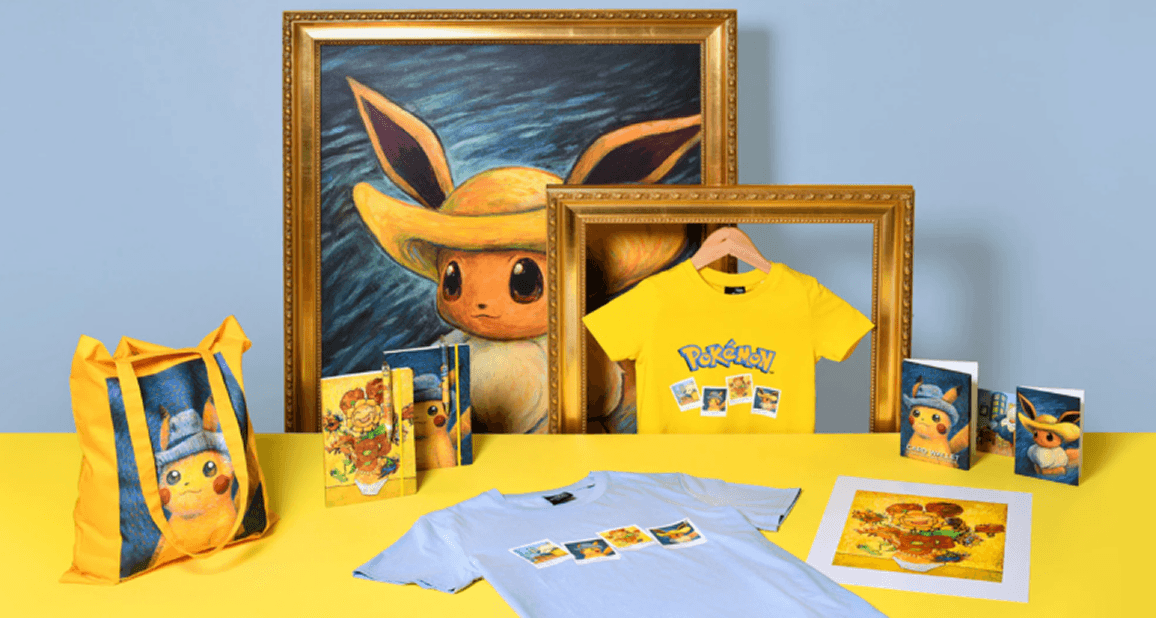
The world was stunned when The Pokémon Company teamed up with the Van Gogh Museum for an artistic and cultural fusion unlike any other. What could a 19th century painter and a Japanese pop culture icon possibly have in common? Both aimed to inspire creativity and connect with diverse audiences across generations. The collaboration introduced Van Gogh’s art to younger Pokémon fans through exclusive exhibitions, limited edition cards, and beautifully designed merchandise.
 Strategy:
Released Van Gogh style Pokémon artwork and exclusive collectibles.
Promoted the campaign across digital platforms and museum spaces to bridge art and fandom.
Used scarcity and nostalgia to drive online engagement and physical visits.
Outcome:
The campaign’s success was overwhelming, the website crashed from heavy traffic, and merchandise sold out both online and in store. Items from the collection later sold for high prices on resale markets, turning the collaboration into a pop culture phenomenon. It proved that even unlikely partnerships can spark massive public interest and long term brand impact.
3. Nike & Apple
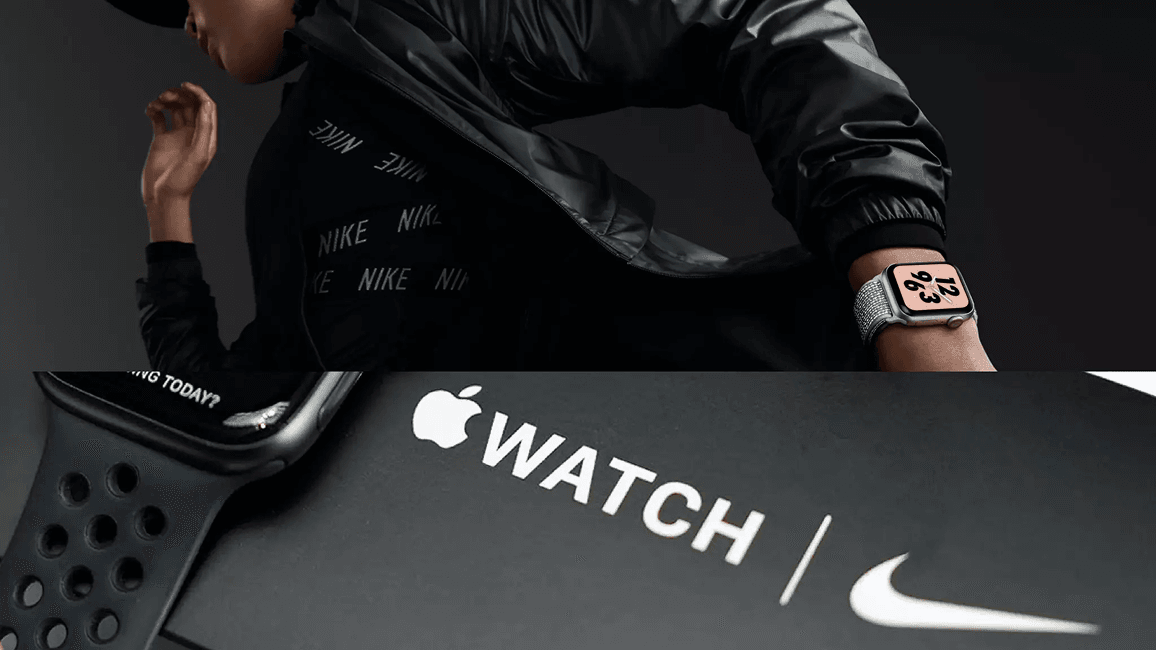
In a groundbreaking fusion of fitness and innovation, Nike and Apple joined hands to motivate people to move smarter. The partnership led to the creation of Nike+, integrating Apple’s tracking technology into Nike’s shoes and workout gear. This seamless connection empowered athletes and casual runners to monitor performance, share goals, and stay motivated turning everyday fitness into a connected digital experience.
 Strategy:
Combined Apple’s tech expertise with Nike’s athletic credibility.
Built an ecosystem that encouraged fitness tracking, community challenges, and social sharing.
Outcome:
The Nike+ collaboration revolutionized how users approached workouts and built deep loyalty among fitness enthusiasts. Both brands gained new audiencesApple entered the wellness market, and Nike strengthened its reputation as a digital forward fitness brand.
4. Starbucks & Spotify
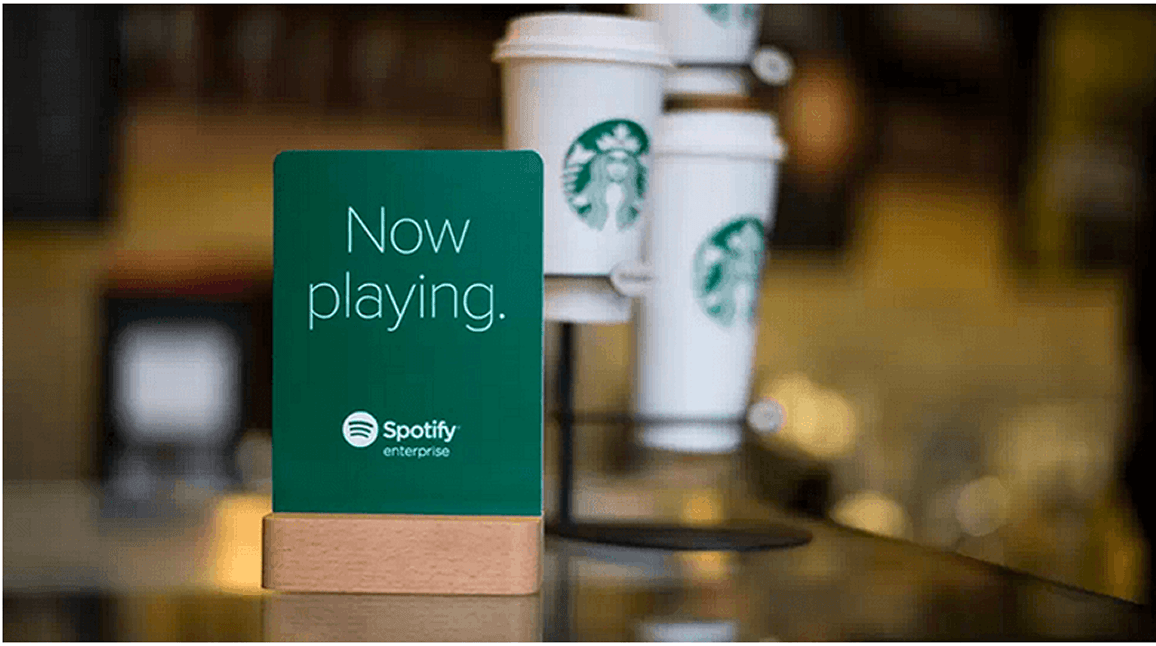
Starbucks reimagined the café experience by partnering with Spotify, creating a space where music and coffee intertwined. Customers could influence in store playlists and baristas could curate local vibes. This collaboration resonated with creative, music loving audiences who saw Starbucks not just as a coffee stop but as a cultural hub.
 Strategy:
Outcome:
The partnership deepened Starbucks’ connection with its younger audience and gave Spotify more exposure to millions of daily coffee drinkers. Together, they created an interactive, community driven café experience that boosted brand loyalty and engagement.
5. Lego & NASA
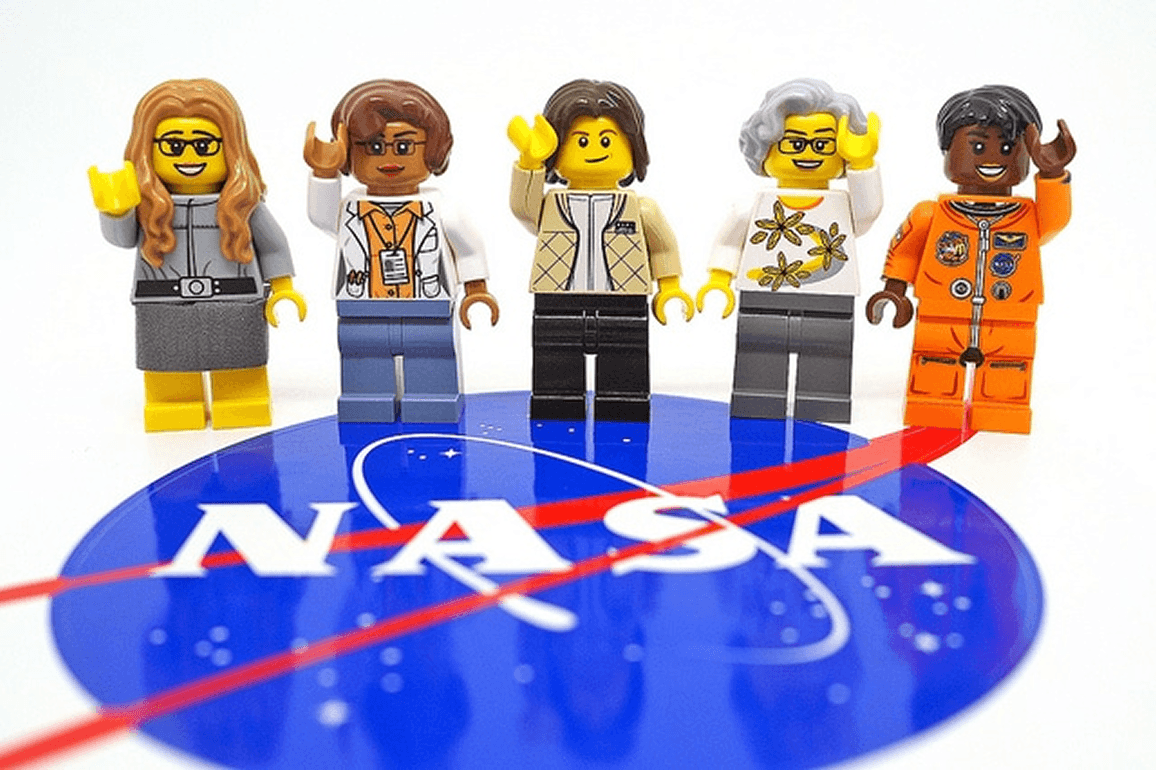
When Lego and NASA joined forces, their goal was bigger than business it was about inspiring the next generation of dreamers. The collaboration introduced space themed Lego sets and educational programs that encouraged children to explore science, technology, and imagination. By merging creativity with education, both brands positioned themselves as pioneers in sparking curiosity about space.
 Strategy:
Outcome:
The collaboration boosted both sales and brand goodwill, reaching millions of young learners. It reinforced Lego’s identity as an educational innovator and positioned NASA as a brand that connects science with play.
6. Uber & Spotify
Uber transformed the passenger experience by teaming up with Spotify, giving riders control over the car’s music. This simple but brilliant collaboration turned ordinary commutes into personalized journeys. Riders could connect their Spotify accounts, creating playlists that matched their mood from morning motivation to late night chill.
 Strategy:
Outcome:
The campaign generated buzz on social media and strengthened user engagement for both brands. Uber became more user centric, while Spotify reached a global audience in a new, everyday context.
7. Apple & Hermès
In an elegant blend of craftsmanship and innovation, Apple partnered with Hermès to create a luxury edition of the Apple Watch. The collaboration combined Apple’s minimalist tech design with Hermès’ timeless fashion sensibility. The result was a smartwatch that appealed to affluent consumers seeking both style and functionality.
 Strategy:
Outcome:
This partnership helped Apple enter the luxury lifestyle segment while giving Hermès a tech forward image. The Apple Watch Hermès became a symbol of sophistication and cross industry success.
8. Kellogg’s & Merlin Entertainment
Kellogg’s and Merlin Entertainment turned breakfast into an adventure with a family focused campaign. By placing unique codes inside cereal boxes, Kellogg’s offered free or discounted theme park tickets to Merlin attractions like LEGO LAND and SEA LIFE. This smart partnership turned an everyday product into an exciting family experience.
 Strategy:
Outcome:
The partnership boosted Kellogg’s sales and brand excitement while driving more visitors to Merlin’s parks. It became a win-win model of how entertainment and FMCG brands can create shared experiences that delight families.
9. Land Rover & James Bond
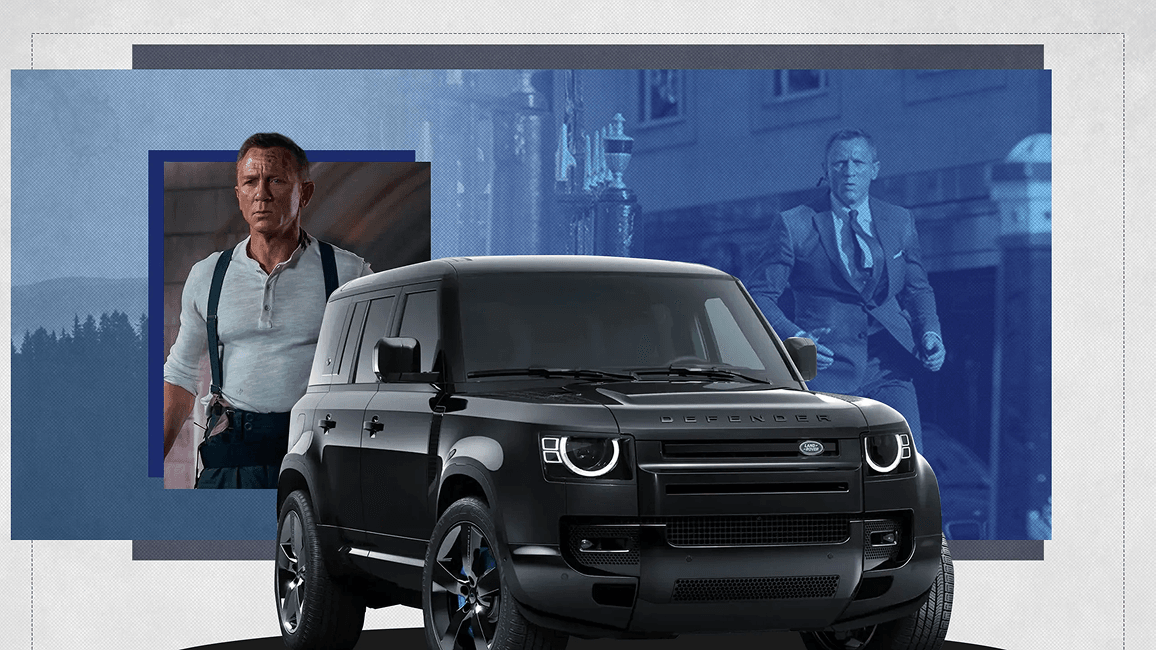
Few collaborations scream luxury and adrenaline like Land Rover’s partnership with the James Bond franchise. Featured prominently in “No Time to Die,” Land Rover’s rugged vehicles became part of cinematic history, tackling high speed chases and dramatic terrains. This tie up reflected the same traits of both brands sharing power, precision, and prestige.
 Strategy:
Outcome:
The collaboration generated massive global exposure and reinforced Land Rover’s image as the ultimate adventure vehicle. The limited edition models became instant collector’s items, driving sales and brand desirability worldwide.
10. McDonald’s & Disney
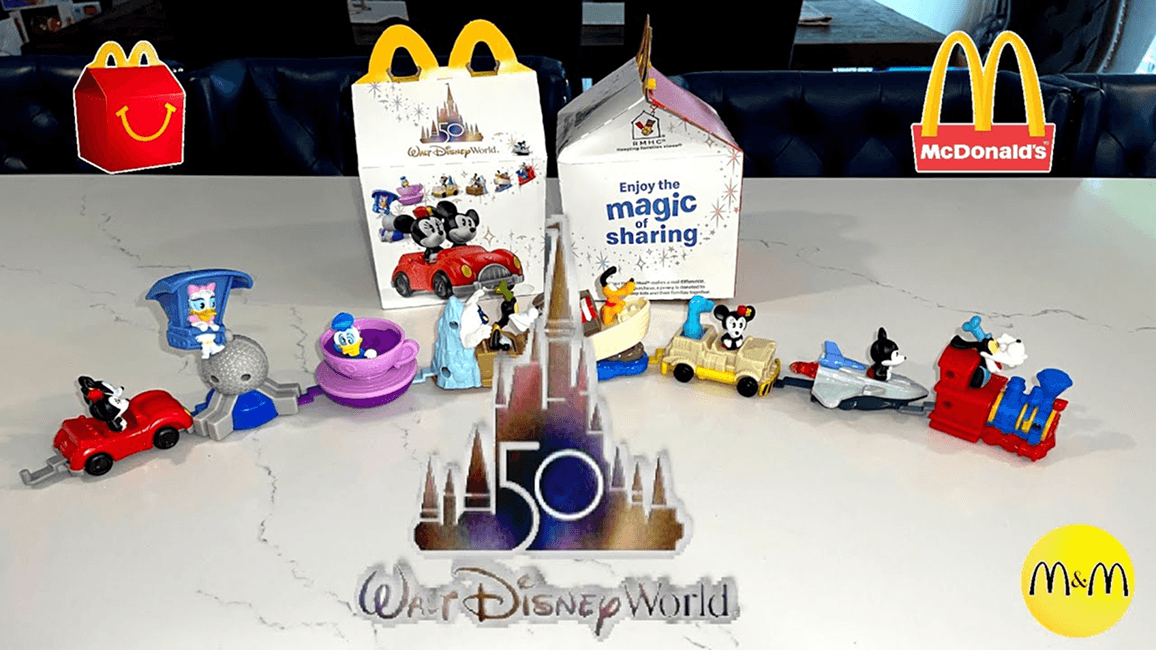
A timeless partnership, McDonald’s and Disney have been delighting families for decades. By featuring toys from Disney’s latest movies in Happy Meals, McDonald’s created excitement for kids and families everywhere. Each release built anticipation, blending the magic of storytelling with the joy of eating together.
 Strategy:
Outcome:
This collaboration created long term loyalty for both brands. McDonald’s strengthened its position as the goto family restaurant, while Disney gained millions of young fans making this one of the most successful and enduring affinity marketing partnerships in history.
Conclusion
Affinity marketing proves that when brands unite around shared values or audiences, magic happens. These partnerships aren’t just about logos on the same campaign, they're about storytelling, emotion, and mutual growth. Whether it’s Taco Bell and Doritos redefining fast food, Nike and Apple fusing fitness with innovation, or McDonald’s and Disney spreading joy to families, each example shows how collaboration can spark stronger engagement and drive massive business results.
In a world where customers value authenticity and experience, affinity marketing stands out as the perfect bridge connecting brands, people, and emotions. The takeaway? Great partnerships don’t just sell products, they create cultural moments that last.