1. Coca-Cola's "Share a Coke" campaign
By printing the most common names on Coca-Cola bottles instead of its legendary logo, Coca-Cola went ahead and did one of the most memorable buzz marketing examples ever. The personalisation of the product was an absolute hit on social media as people were looking for bottles with their names and those of their friends and family, so that they could share them.
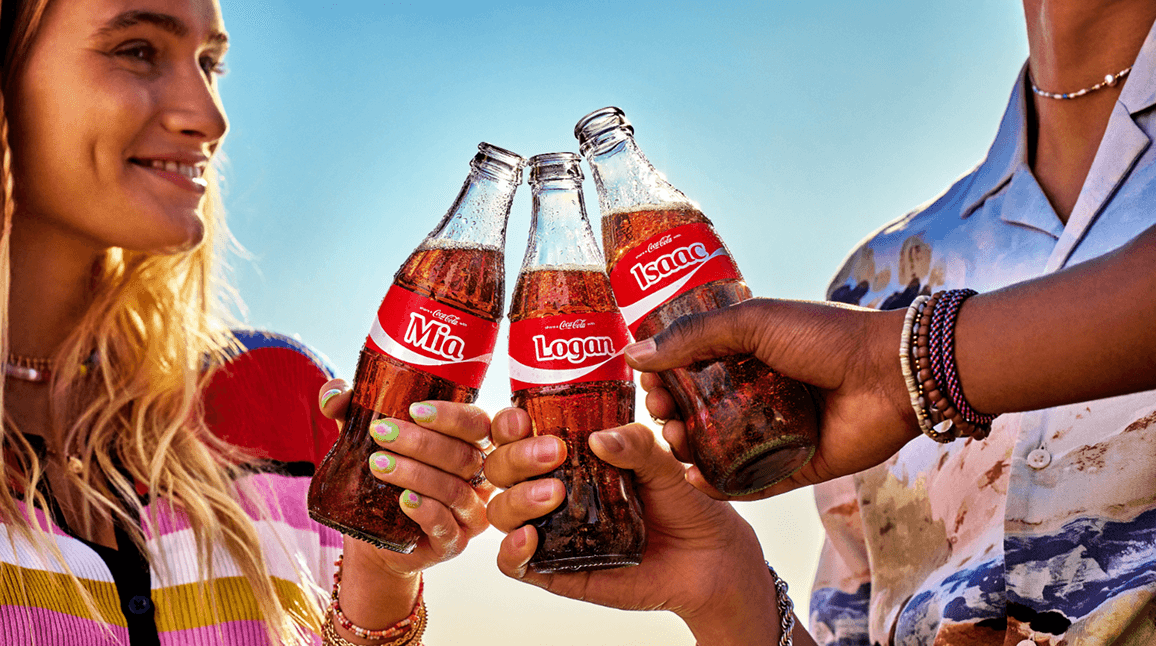 Source :Thecocacolacompany
Why this buzz marketing worked:
Through name personalization, a depth of personal connection was achieved
Prompted creation of user-generated content and social sharing
Made product discovery delightful and engaging
Capitalized on the emotional bond to names and sharing
2. Nike's "Dream Crazier" campaign
Nike's revolutionary "Dream Crazier" campaign concentrated on the issue of gender inequality in sport, thereby highlighting the achievements of female athletes. The emotional Serena Williams-led icebreaker, among other things, pointed out the less-than-fair treatment that women face in the sporting world and made the call for them to shatter the glass ceilings.
Why this buzz marketing worked:
Delved into current social debate topics
Used a credible and influential figure to deliver the message
The target audience developed an emotional attachment
Supported by and in harmony with the brand's ideological roots
3. ALS ice bucket challenge
One of the nonprofit buzz marketing examples of all time is the ALS Ice Bucket Challenge. The uncomplicated idea of daring someone to douse themselves in a bucket of ice water, film the action for social media sharing, and then challenge someone else to do it, together with a donation request to ALS, was the formula for the campaign that did it.

Why this buzz marketing worked:
A straightforward, easily copyable idea complete with a set of instructions
ALS Association, as it led to more than $115 million being raised in donations
Included social endorsement through the participation of celebrities
Created a feeling of urgency through nominations
The cause was worthy, and people wanted to share it
4. Apple's product launch mystique
With the help of carefully planned leaks, rumors, and questions about the new features and design, Apple manages to create immense buzz. Apple's buzz marketing mystique is reshaped every year, proving that consumer excitement fueled by prolonged anticipation can not only increase brand loyalty to an unprecedented level but also make the product launches the most anticipated events in the tech world.
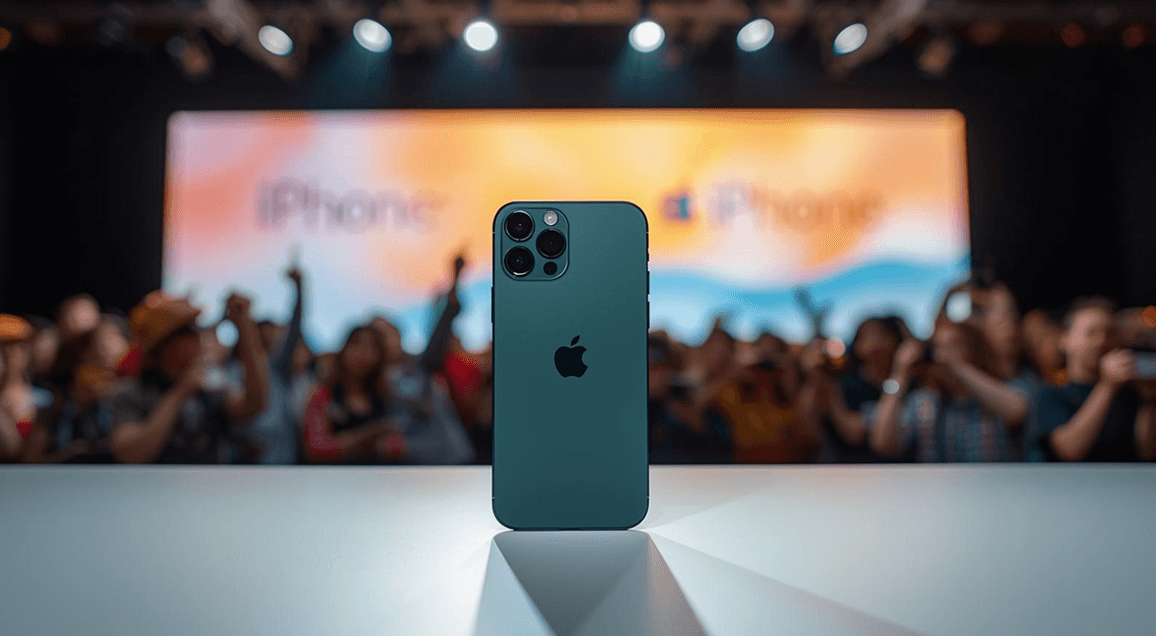 Source :Pexels
Why this buzz marketing worked:
The process of building suspense and mystery was done very skillfully
The release of information was controlled strategically
The enthusiast community and brand loyalty were fostered
There was a huge amount of unpaid media coverage generated
5. Dove's "Real Beauty" campaign
Dove impacted the global beauty dialogue with the "Real Beauty" campaign, which defied existing beauty norms and honored the diversity of women's body shapes, sizes, and races. The innovative buzz marketing campaign, which propelled to fame the concept of using "real" women instead of "ideal" ones, instigated worldwide debates about the definition of beauty and the raising of self-esteem.
 Source :LinkedIn
Why this buzz marketing worked:
Broke radically with the norms and standards of the beauty industry
Used real and relatable people instead of models
Raised socially important issues of self-esteem and society
The target audience is emotionally connected to the campaign
When the 2013 Super Bowl was abruptly interrupted due to a blackout, Oreo's marketing team took a clever step in real-time buzz marketing by quickly tweeting "You can still dunk in the dark" along with the photo of a single Oreo cookie in a dark setting. The point-in-time and witty answer to a totally unexpected situation was what made it go viral in no time.
Why this buzz marketing worked:
Very prompt action was taken in a totally unexpected situation
Kept perfect brand voice and humor
Made best use of the huge existing audience (Super Bowl)
Content was simple, visual, and easy to share
7. Red Bull's stratos space jump
Red Bull was behind one of the most extreme buzz marketing examples with Felix Baumgartner's jump from the stratosphere at 128,000 feet. The stunt was broadcast live and attracted an enormous worldwide audience; thus, it was a very good fit for Red Bull's brand, which is all about extreme sports and pushing the limits of human capabilities.
Why this buzz marketing worked:
An extreme, record-breaking event
Great compatibility with brand personality
Real-time engagement through live-streamed event
Generated a lot of free media coverage
8. Airbnb's "We Accept" campaign
By launching the "We Accept" campaign focused on embracing and celebrating differences, Airbnb made a strong point. The timely buzz marketing campaign struck a chord with people all over the world and was a great demonstration of Airbnb's dedication to social responsibility and community values.
Why this buzz marketing worked:
Addressed current social issues timely and effective manner
Enhanced the brand's core values and message
Through the feature of inclusivity, they made emotional bonds
Generated positive brand-related associations
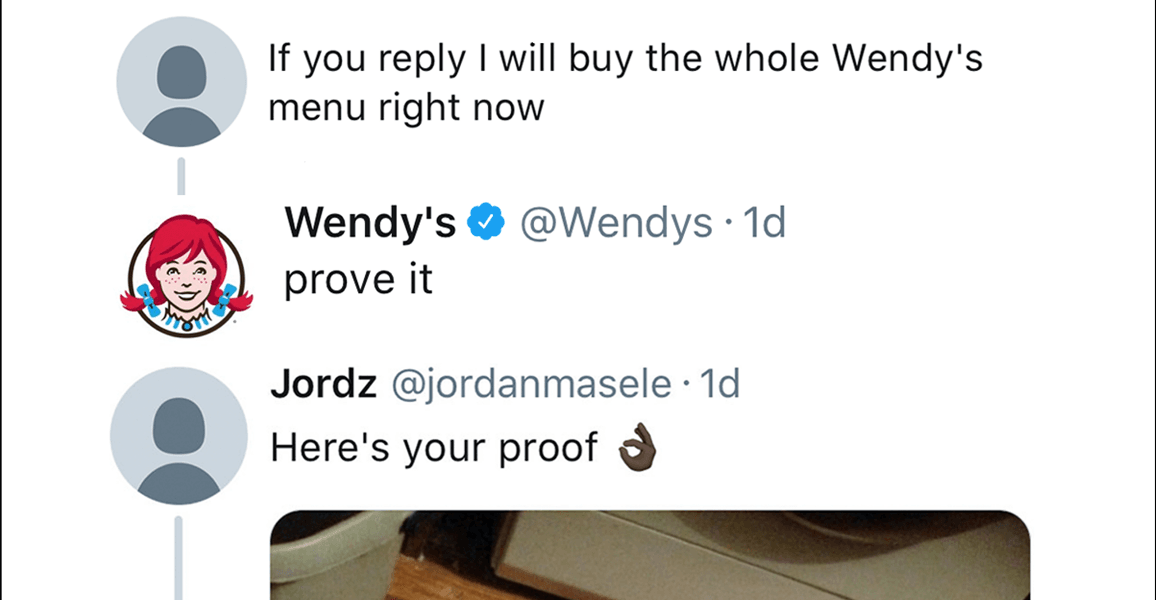
Wendy's revamp of its social media was greatly indebted to its humorous as well as heat-raising content towards both competitors and followers, in which it got a brand voice mainly because it stirred a lot of talk on social platforms. Regularly, their humorous replies and crafty attacks became viral content; thus, they were covered by the media, and the social media engagement also increased greatly.
Why this buzz marketing worked:
Made a singular, easily recognizable brand voice
Extensively and effectively put into practice the one consistent style of humor
Involve the audience by using controversial content techniques
Contents with great potential as a social tool to be utilized by several users simultaneously
10. Duolingo's tikTok & viral Stunts
Duolingo didn't throw away any of the opportunities to use of out-of-control and riotous brand persona on TikTok and thus create an enormous, unplanned buzz. The brand character, a large, insane Duo the Owl, found popularity on the internet mainly because it was able to make videos that were quite threatening but hilarious, and also users could easily relate to it.

Why this buzz marketing worked:
One brand character was made extremely memorable, unique, and highly shareable.
The brand was continuously engaging with and making use of the latest trends on TikTok.
Brand was successful in humanizing itself, thus becoming relatable and funny.
Huge organic reach was possible without a large ad budget.
11. Starbucks' #RedCupContest
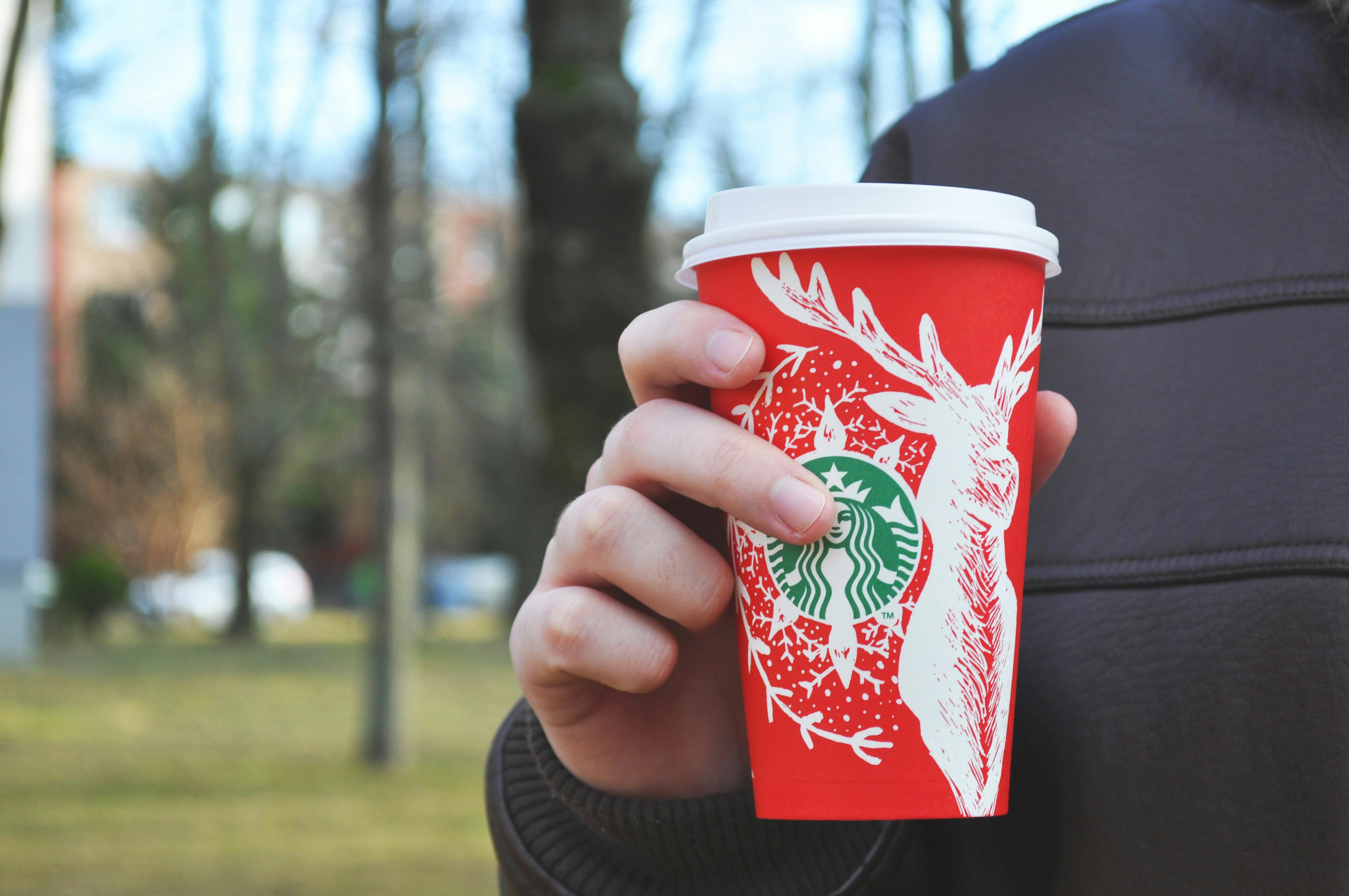
Starbucks does not stop at merely introducing the cup of the season but turns it into a buzz marketing event, far-reaching. Along with the taunting of their yearly holiday cups and designs, they invite the customers to share their works or the cups they have taken a shot of on the internet with the likes of the #RedCupContest hashtag for them to be able to witness the user-generated content flooding up to the sky.
Brands running viral campaigns often use tools like Typeform to collect contest entries, customer stories, and user-generated content submissions at scale. Many participants polish their cup photo with a photo editor before posting it, adjusting lighting or color to make it contest-ready.
Why this buzz marketing worked:
Excitement through the seasonal factor and hence creates a cycle of anticipation for the following years.
Works massively on user-generated content
Creates and maintains a strong feeling of community and shared experience among customers.
Low-budget but high-performance campaign that resides on the behavior of existing customers.
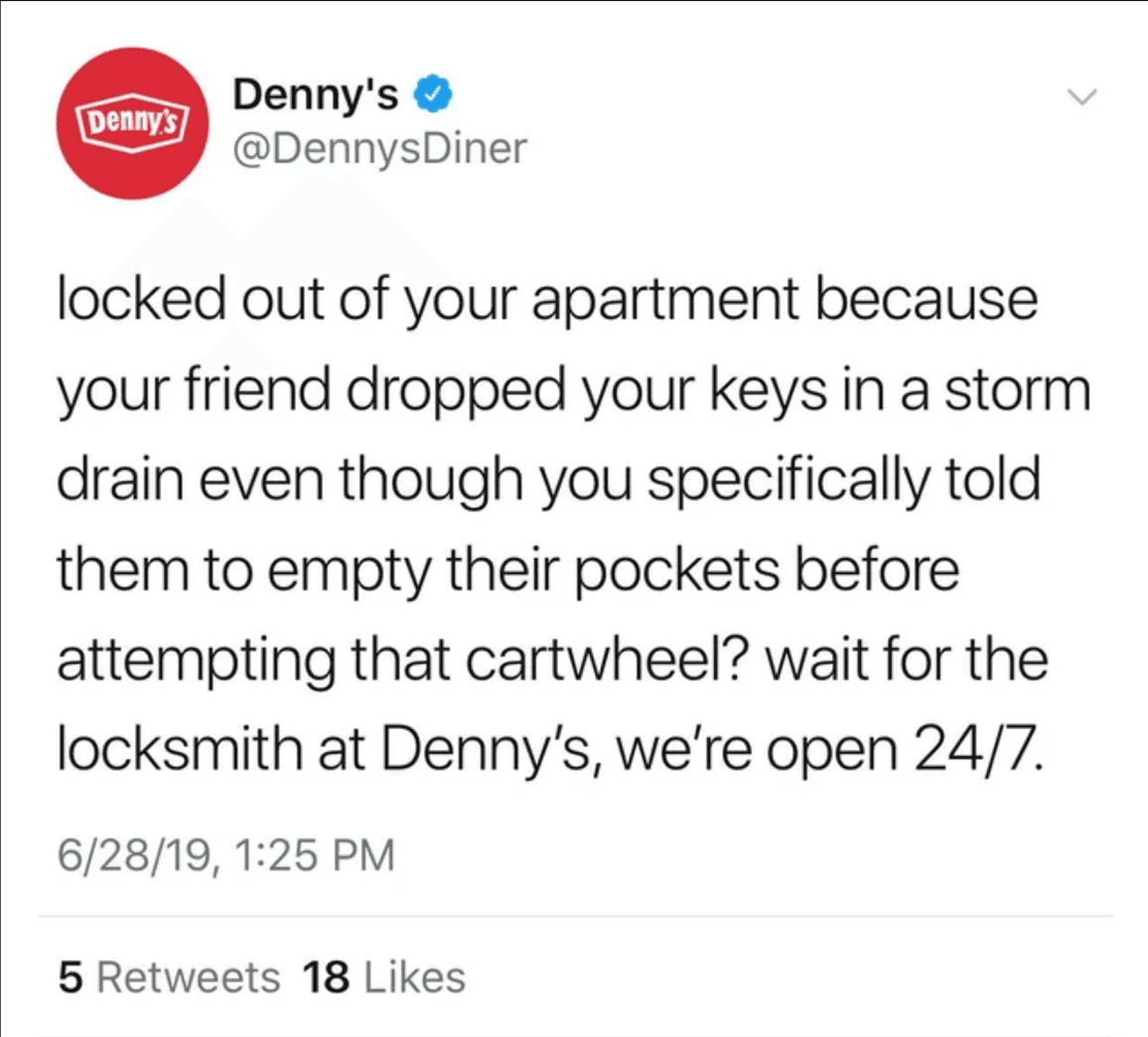
Denny's, an iconic American diner chain, transformed its image brand for the youth of today by turning to absurdist, surreal, and witty humor for its social media outlets, like Tumblr and Twitter. Their posts, which included weird memes and pancake poetry as well as random, funny observations, became very popular because of their unexpected nature. Today, this kind of fast, experimental content style is much easier for brands to sustain, with even small teams able to consistently create meme-driven content using simple tools like a meme generator.
Why this buzz marketing worked:
Built a distinct and unexpected brand voice that was highly noticeable.
Produced content that was highly shareable and meme-worthy and that found a good fit with young audiences.
A traditional company was rebranded successfully, so it became culturally relevant and humorous.
Generated high engagement with the help of humor and unpredictability.
13. The Blair Witch Project's guerrilla mystery
The Blair Witch Project, a low-budget horror film, performed one of the most famous buzz marketing campaigns of all time, long before the actual film hit the theaters. Its creators launched a website loaded with "missing" student posters, police records, and "found" footage, all pointing to a supposed real documentary-style investigation.
Why this buzz marketing worked:
Deliberately confused the viewer about what was real and what was not, thus creating an immense desire to find out more.
Depended on inexpensive internet methods to create a detailed, enthralling universe and history for the characters.
We were a source of earnest debate and speculation, which acted as an engine of the buzz.
Helped to give the "found footage" idea the feeling of real, scary stuff that had actually happened.
To promote its hit show "Wednesday," Netflix pulled off a clever publicity stunt in New York City, where an invisible camera filmed people's reactions as a severed hand (the show's character "Thing") crawled around public places, scaring people without anyone's knowledge. The video material produced as a result was both funny and scary, which helped the works of art go viral very quickly on social channels.
Why this buzz marketing worked:
Distinctive experiential marketing stunt
Excellent thematic fit with the TV show
Genuine surprise reactions were obtained
Highly shareable Video content
15. Burger King's "Moldy Whopper" campaign
Burger King put out an amazingly forthright buzz marketing campaign featuring a Whopper that was visually rotting day by day for 34 days, and in the end, announced the removal of artificial preservatives. The daring campaign created a lot of buzz because it went against the norm of typical fast food ads that typically promote freshness and perfection.
Why this buzz marketing worked:
Very surprising honesty in the fast-food industry
Eye-catching and unforgettable content
Product improvement was communicated in an effective manner
Industry conversations were generated
Conclusion
The buzz marketing examples discussed above showcase the true strength of this strategy, the ability to inspire organic conversations and excitement around brands, products, or causes. Most successful campaigns achieve this by connecting emotionally with audiences, engaging them in creative ways, staying culturally relevant, and maintaining strong brand alignment. These elements make people naturally want to share and talk about them.
While buzz marketing helps generate awareness, many B2B companies use platforms like Apollo to identify, nurture, and convert interested prospects generated from viral campaigns.
Even as technology and platforms evolve, the core principle of buzz marketing remains unchanged: creating remarkable experiences, stories, or ideas that people feel compelled to share with others.