1. Starbucks
Starbucks recognized that convenience was key for its busy, on the go customers. To make ordering simpler, the brand launched “My Barista,” an AI powered voice chatbot integrated into the Starbucks mobile app. The chatbot allows users to place, customize, and pay for their orders using either voice commands or text. Customers could say things like, “Order my usual coffee,” and the bot would handle it instantly. This innovation reflected Starbucks’ commitment to combining technology with customer comfort.
 Strategy:
Outcome:
The feature reduced friction in the ordering process, increasing customer satisfaction and loyalty. Starbucks saw higher mobile app engagement and more frequent orders, as customers enjoyed a faster and more personalized way to grab their favorite drinks.
2. National Geographic
To promote its TV series Genius, National Geographic took a bold, creative route: they let users “chat” with Albert Einstein himself. The AI driven chatbot replicated Einstein’s personality, answering questions with humor, curiosity, and famous quotes. Fans could interact through Messenger, sparking curiosity about the show’s storyline while feeling like they were talking to history’s greatest scientist. It wasn’t just marketing; it was storytelling brought to life.
 Strategy:
Used AI driven conversational storytelling to mimic Einstein’s persona.
Engaged audiences with interactive facts, jokes, and witty responses.
Outcome:
The campaign created massive online buzz, generating thousands of daily interactions. Users spent longer engaging with the brand, boosting awareness and anticipation for the Genius series while reinforcing National Geographic’s reputation for creativity and innovation.
3. LEGO
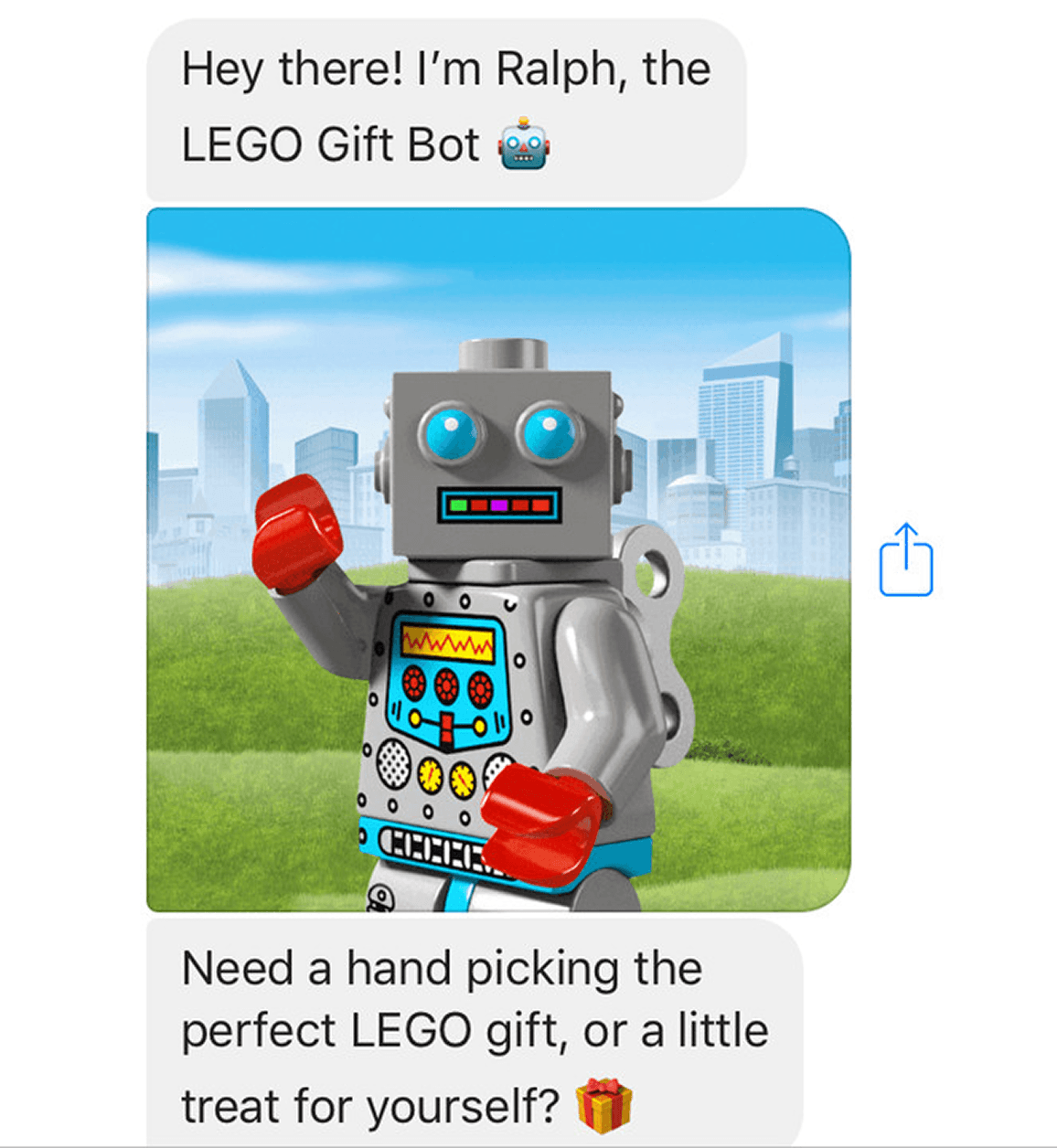
During the holiday rush, LEGO wanted to help parents and gift shoppers make faster decisions. Enter “Ralph,” a friendly Facebook Messenger chatbot designed to simplify gift shopping. Ralph asked fun questions about the recipient’s age, interests, and budget then instantly recommended the perfect LEGO sets. The bot made shopping feel personal and stress free during a busy time of year, turning indecision into excitement.
 Strategy:
Outcome:
Ralph transformed how LEGO interacted with online shoppers, improving user experience and boosting sales during the holiday season. It helped the brand connect emotionally with families while increasing conversions through personalization and simplicity.
4. Domino’s
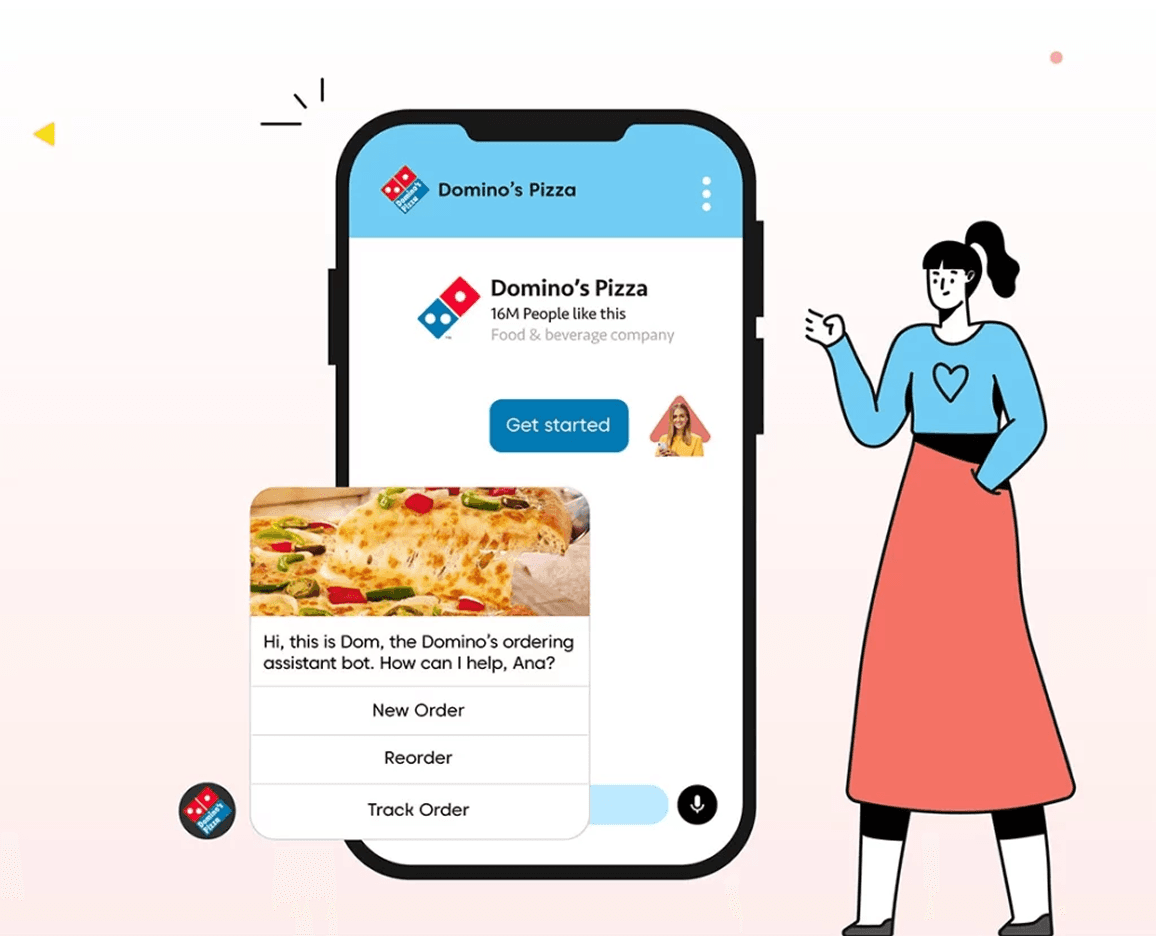
Domino’s revolutionized food ordering with “Dom,” its friendly chatbot available on Messenger, Twitter, and Alexa. Instead of browsing menus or calling stores, customers could simply type or say what they wanted. “Dom” remembered favorite orders, tracked deliveries, and even shared special deals all within the chat interface. The bot fit perfectly into Domino’s larger vision of “AnyWare” ordering allowing customers to order pizza from almost anywhere.
 Strategy:
Offered an easy reorder feature for frequent customers.
Integrated across multiple digital platforms for consistent, omnichannel access.
Outcome:
“Dom” boosted convenience and brand loyalty, encouraging repeat orders and positive word-of-mouth. Domino’s became recognized as one of the most innovative brands in food tech, with higher engagement and faster service response times.
5. Whole Foods
Whole Foods’ chatbot is a dream come true for food lovers looking for inspiration. Customers can send an emoji or keywords such as “vegan dinner,” and the chatbot instantly suggests matching recipes. It bridges the gap between browsing ideas and shopping for ingredients, giving users a fun, interactive experience while discovering new meal ideas.
 Strategy:
Outcome:
This chatbot made recipe discovery effortless and engaging, increasing both app engagement and product sales. By connecting inspiration with convenience, Whole Foods strengthened its position as a lifestyle brand rather than just a grocery store.
6. H&M
H&M introduced a chatbot on Kik to help fashion enthusiasts find their perfect outfits. Instead of browsing endlessly, users could chat with the bot about their preferences from favorite colors to the type of occasion they were dressing for. The chatbot responded with outfit suggestions and styling tips, creating a fun, personalized shopping experience that felt more like chatting with a friend than using an app.
 Strategy:
Outcome:
The bot helped H&M better connect with younger audiences, especially Gen Z. It improved customer engagement, boosted online purchases, and positioned the brand as an early adopter of conversational retail.
7. Amtrak
Amtrak faced thousands of daily customer service queries, from ticketing to schedules. To streamline support, they introduced “Julie,” a friendly AI powered chatbot that assists travelers 24/7. Julie helps users check routes, prices, and booking details without waiting in long call queues. Its humanlike tone and quick answers make travel planning smoother and less stressful for passengers.
 Strategy:
Automated answers for FAQs like schedules, pricing, and routes.
Enabled ticket booking directly through the chatbot interface.
Outcome:
Amtrak saved over $1 million annually in customer service costs, while customers enjoyed faster, more efficient support. Julie became a key part of Amtrak’s brand promise delivering convenience and reliability in every interaction.
8. KLM Royal Dutch Airlines
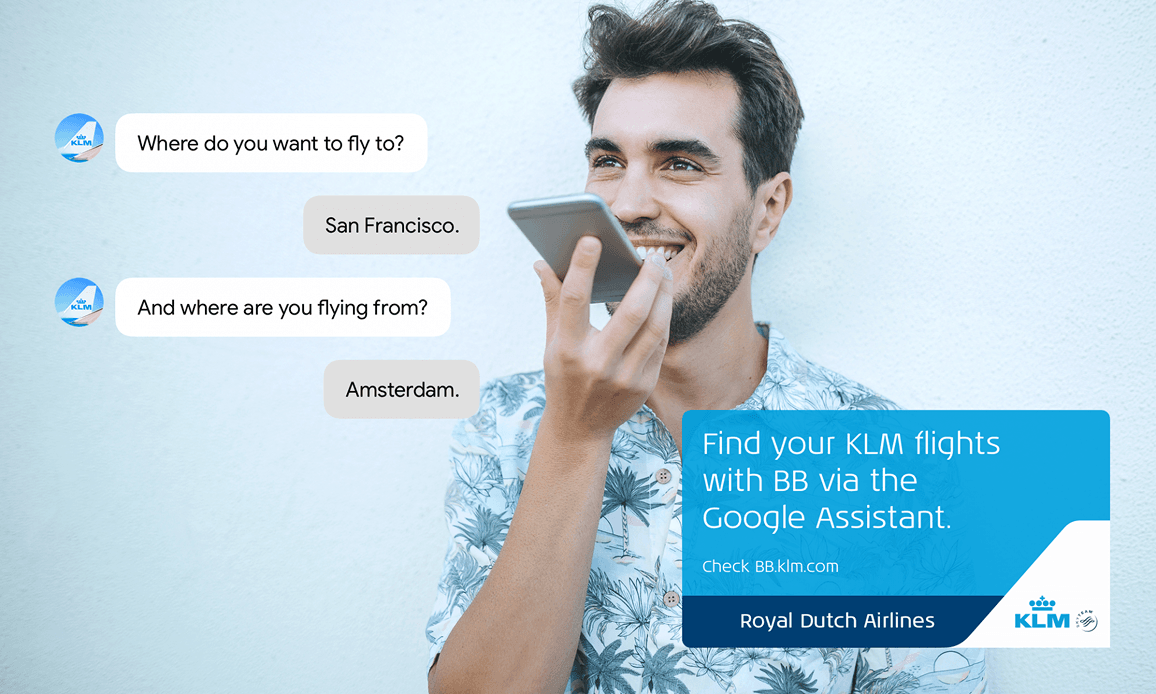
KLM wanted to simplify communication with travelers by providing realtime flight assistance through Messenger. Its chatbot automatically sends boarding passes, flight updates, and personalized notifications to passengers. The service works in multiple languages, ensuring global accessibility. By blending automation with a human touch, KLM built trust and convenience into the digital travel experience.
 Strategy:
Automated flight updates, itineraries, and boarding information.
Offered multilingual, 24/7 assistance through Messenger.
Outcome:
KLM’s chatbot handled millions of interactions yearly, saving customer service costs while increasing traveler satisfaction. It strengthened KLM’s reputation as one of the most digitally innovative airlines in the world.
9. Duolingo
Language learners often struggle with confidence and consistency. To solve this, Duolingo launched chatbots that mimic real life conversations, allowing users to practice languages in a stress free way, making learning French online and other languages more interactive and confidence building. Learners can chat about daily life, get instant corrections, and improve naturally with no embarrassment, no judgment. The bot adapts to each user’s progress, making language learning fun and habit forming.
 Strategy:
Outcome:
Users reported higher engagement and language retention. Duolingo’s chatbot turned learning into a personalized experience, helping the platform grow its global user base and reputation as an innovative education app.
10. Sephora
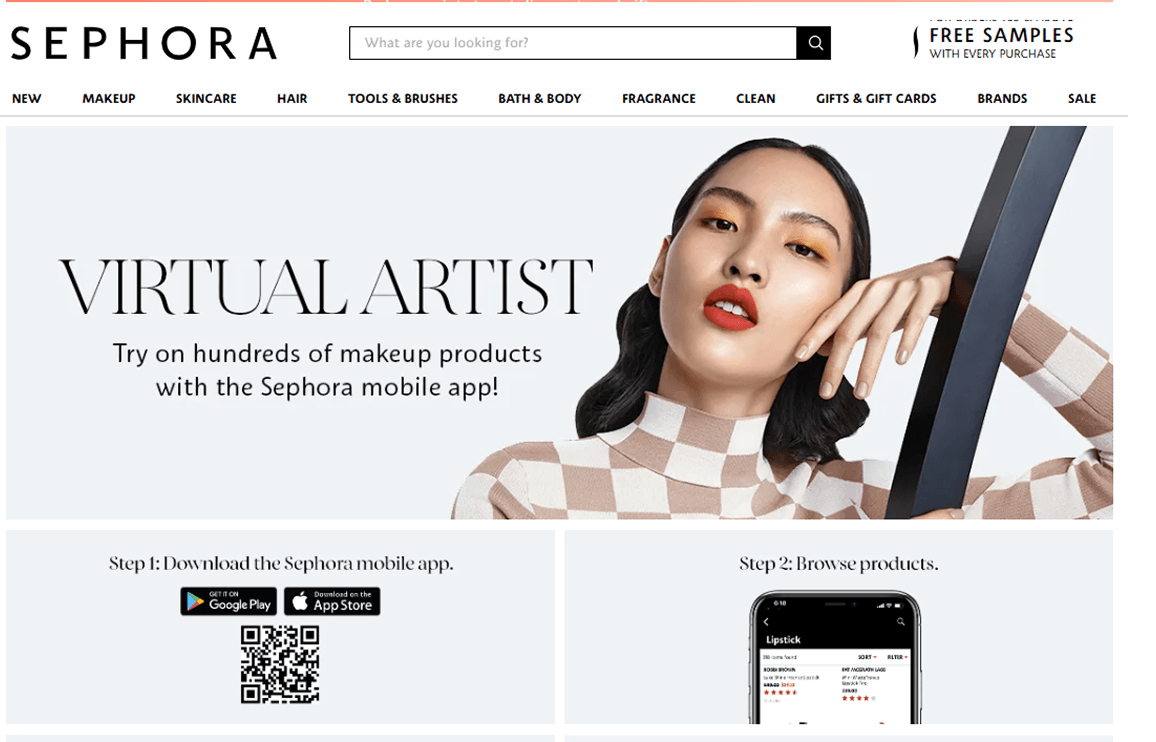
Sephora transformed digital beauty consultations with its AI powered chatbot on Messenger and Kik. Acting as a virtual beauty advisor, the bot helps users find tutorials, product recommendations, and even book in store makeovers. It replicates the in store consultation experience digitally, offering beauty advice tailored to each user’s preferences and skin type.
 Strategy:
Outcome:
Sephora’s chatbot improved appointment bookings by over 10% and deepened customer engagement online. It positioned the brand as a leader in AI driven personalization, offering a perfect blend of digital convenience and humanlike beauty expertise.
Conclusion
From coffee runs to fashion finds, these chatbot marketing examples show that automation doesn’t mean losing the human touch. When designed thoughtfully, chatbots enhance personalization, reduce friction, and strengthen customer loyalty.
Whether your goal is sales, engagement, or service there’s a chatbot strategy waiting to transform your brand’s story.