10 Content marketing examples
To truly understand how content marketing works, it helps to look at brands that have set benchmarks with creative, impactful campaigns.
1. Red Bull - “Stratos” Campaign
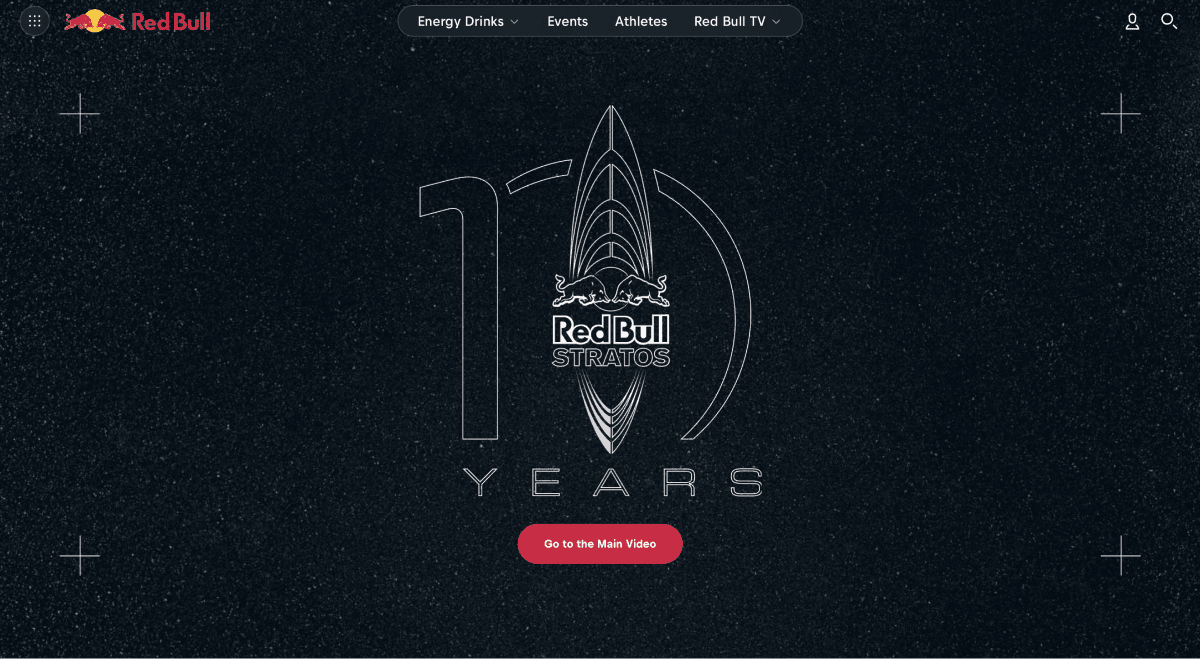
Red Bull is known for pushing limits, and the Stratos project was the ultimate proof. In 2012, the brand live-streamed Felix Baumgartner’s jump from the edge of space.
 Strategy:
Created anticipation through teasers and behind-the-scenes content.
Live-streamed the jump to maximize global reach and engagement.
Reinforced brand positioning with thrilling, larger-than-life storytelling.
Over 8 million people watched the jump live on YouTube, breaking records at the time. Red Bull’s association with extreme sports and adventure was cemented globally, making Stratos one of the most iconic content marketing case studies ever.
2. Nike - “Just Do It” Campaign
Launched in 1988, Nike’s “Just Do It” campaign remains one of the most powerful examples of emotional storytelling in marketing.

Strategy:
Used emotional storytelling to highlight perseverance and empowerment.
Featured diverse athletes, from everyday people to legends like Serena Williams.
Addressed social issues (e.g., Colin Kaepernick ad) to strengthen brand relevance.
The slogan became iconic, recognized worldwide, and deeply connected with audiences on an emotional level. Nike transformed into a brand that inspires action, not just sells products, creating one of the best content marketing success stories ever.
3. Apple - Product Launch Storytelling
Apple’s product launches aren’t just announcements, they’re cultural phenomena. Each launch blends cinematic ads, live events, and storytelling that goes beyond product specs.
 Strategy:
Built anticipation with carefully crafted teasers and global live streams.
Focused on how products enhance creativity, lifestyle, and emotions.
Delivered polished storytelling through cinematic visuals and minimalist design.
Each product launch garners massive attention, media coverage, and social buzz. Apple’s storytelling makes every new release feel like an event, reinforcing its status as a leader in design, technology, and culture.
4. Spotify - “Wrapped” Campaign
Every year, Spotify gives users a personalized recap of their listening habits with Spotify Wrapped. This campaign transforms raw user data into colorful, shareable stories.
 Strategy:
Personalized experiences by packaging listening data into interactive visuals.
Designed for social sharing across Instagram, Twitter, and TikTok.
Encouraged community participation with genre playlists and quirky categories.
Wrapped became a cultural event that people anticipate each December. It consistently goes viral, dominates social media conversations, and boosts Spotify’s visibility while strengthening emotional bonds with users.
5. Oreo & Coca-Cola - “Besties” Collaboration
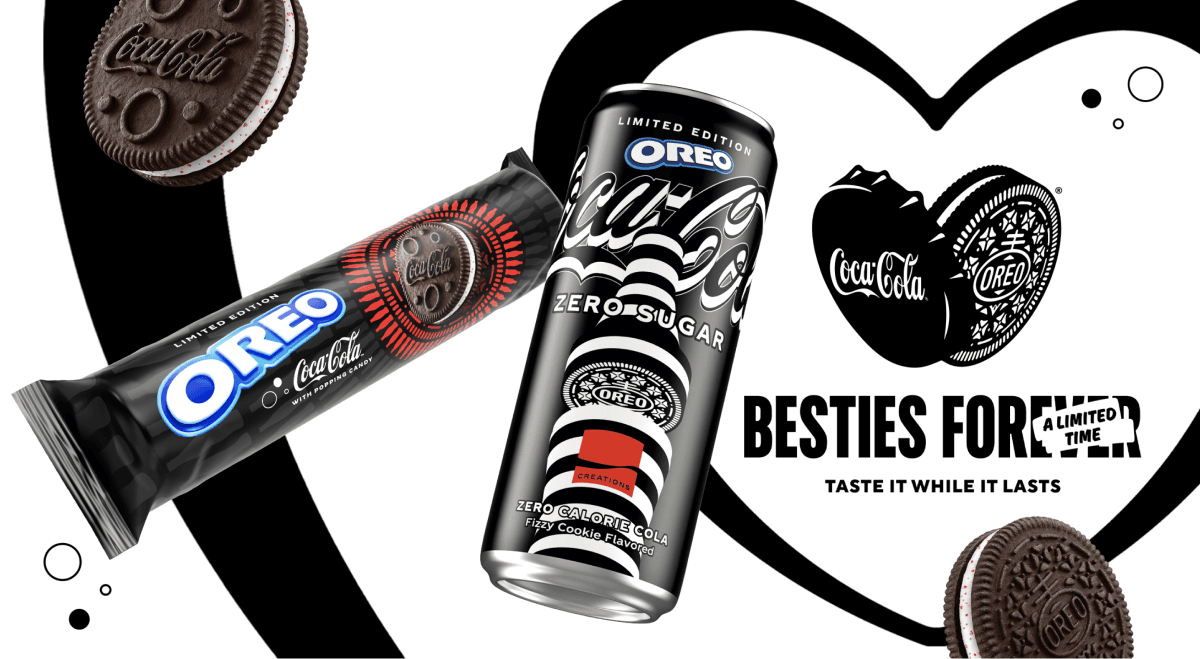
Oreo and Coca-Cola teamed up to create a playful campaign that celebrated friendship. The co-branded products and content reinforced both brands’ fun, approachable images.
 Strategy:
Designed themed packaging and collaborative content experiences.
Ran social media campaigns encouraging users to share “bestie moments.”
Leveraged both brands’ massive fan bases to cross-pollinate audiences.
The campaign drove high levels of online engagement, strengthened both brands’ presence in the snack and beverage category, and demonstrated how cross-brand collaborations can amplify impact.
6. GoPro - User-Generated Content
GoPro leveraged its own customers to showcase the product’s value. Instead of staged ads, the brand highlighted real videos captured by users around the world.
 Strategy:
Encouraged customers to share adventurous clips online.
Selected the best videos to feature on GoPro’s official channels.
Motivated creators with contests, recognition, and social visibility.
GoPro became synonymous with adventure and authenticity. This strategy not only showcased the product in real-world use but also built a passionate global community of creators.
Canva built its brand by empowering everyday people to become designers. Their tutorials, templates, and user-generated designs drive community participation.
 Strategy:
Created tutorials that taught design basics in simple, actionable ways.
Built a community where users could share templates and designs.
Spotlighted user-generated designs to inspire others and showcase product value.
This strategy created a loyal, engaged user base. Canva’s community-driven content not only markets the product but also reinforces its mission of making design accessible to all. Shared designs further amplified brand awareness.
💡 Related guide: 10 User-Generated Content Examples & Why They Work
8. Adobe - “Creativity for All”
Adobe’s “Creativity for All” campaign promoted creativity as universal and accessible, regardless of skill level.

Strategy:
Released tutorials and challenges to help people unlock their creativity.
Shared inspiring user stories from beginners to professional artists.
Fostered community-driven engagement through Behance and Adobe Live.
Adobe positioned itself as a brand that empowers every creator. The campaign reinforced its role as the essential toolkit for creativity while strengthening user loyalty across skill levels.
9. HubSpot - Inbound Marketing Blog
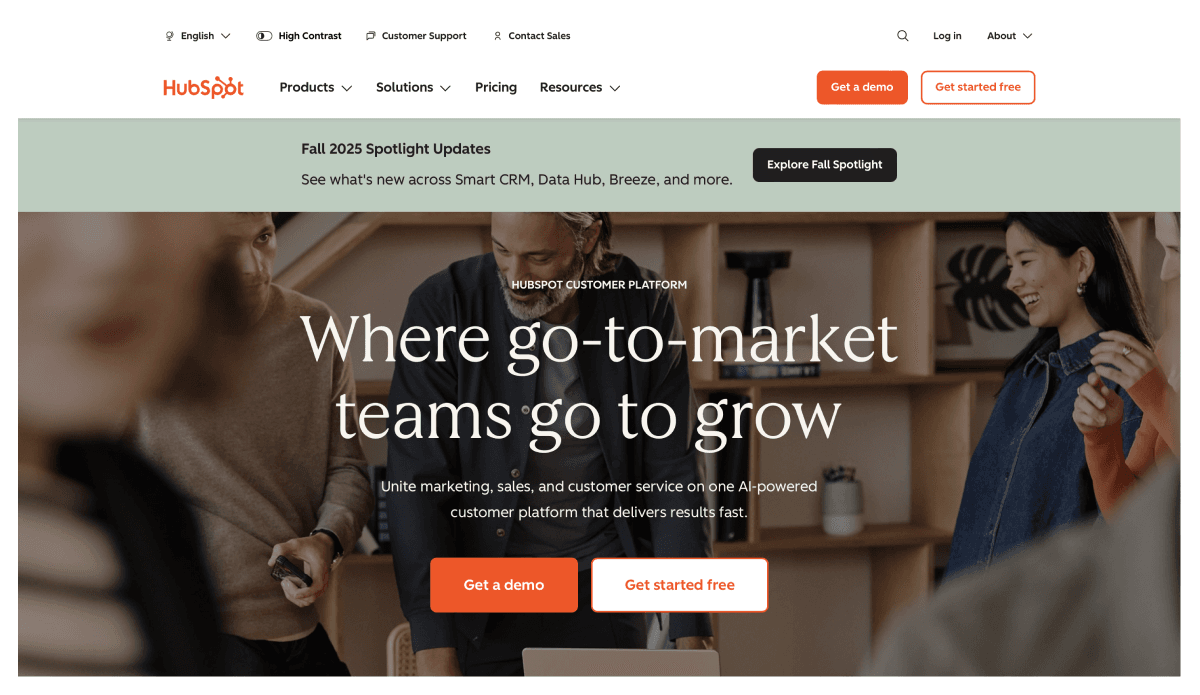
HubSpot pioneered inbound marketing, and their blog has become a go-to resource for marketers worldwide. It covers topics like email marketing, lead generation, automation, and customer experience in an easy-to-digest way.
 Strategy:
Solved audience pain points with guides, how-tos, and research-backed insights.
Created free tools like website graders and templates to deliver upfront value.
Focused on educating, not selling, building trust before conversion.
The blog established HubSpot as the authority in inbound marketing, attracting millions of visitors each month. This not only educated potential customers but also generated a steady flow of leads. Over time, the blog turned into a massive trust-building tool, positioning HubSpot as the default choice for marketing software.
10. Walmart - “The Walmart Museum”
Walmart created an interactive online museum showcasing its founder’s story, history, and cultural impact.
 Strategy:
Produced documentary-style videos and rich storytelling content.
Designed interactive experiences to engage and educate audiences.
Highlighted Walmart’s values and heritage to humanize the brand.
The campaign improved consumer perception, reinforced Walmart’s heritage, and showcased its longstanding role in American retail and community life.
💡 Related guide: How to Enhance Customer Experience to Drive Retention and Growth
Key lessons from successful content marketing campaigns
Successful campaigns share a few key traits:
Know your audience: Create content that solves real problems or taps into audience emotions.
Tell a story: Make your message relatable and memorable rather than just promotional.
Be consistent: Regular, valuable content builds trust and authority.
Engage users: Encourage participation to strengthen community and loyalty.
Stay authentic: Align content with your brand’s values to make it resonate.
Conclusion
A well-crafted content marketing plan goes beyond creating blog posts or social media updates—it’s about building engagement, awareness, and loyalty through meaningful experiences. The examples above show how brands across industries have done this successfully, using creativity and strategy to stand out in a crowded digital space.
For marketers, the takeaway is simple: adapt these lessons to your own brand’s voice, audience, and goals. Whether through storytelling, personalization, or community-building, content marketing works best when it’s authentic and consistent.