1. Canva x Stink Studios
In London’s bustling Waterloo Station, Canva and Stink Studios launched one of the most self aware and entertaining marketing campaigns of recent years. The campaign humorously played on a phrase every designer has heard “Can you make the logo bigger?” transforming the entire station into a giant nod to the chaos of client feedback. The campaign’s playful tone instantly resonated with marketers and creatives who recognized their daily struggles in this witty display. By leaning into industry humor, Canva didn’t just advertise its tools, it celebrated creative culture itself.
 Strategy:
Used OOH humor and inside jokes to build emotional connection with a niche creative audience.
Positioned Canva as a relatable, human centric brand that understands real world creative challenges.
Outcome:
The campaign went viral across social media platforms, as creatives eagerly shared photos and memes of the installations. It boosted brand sentiment, drove user generated content, and reinforced Canva’s position as a design tool made by and for creatives. Most importantly, it turned industry pain points into shared laughter and loyalty.
2. CocaCola
In 2025, CocaCola decided to breathe new life into its iconic “Share a Coke” campaign. The new version kept the essence of the original bottles labeled with personal names but added a modern twist for the Gen Z audience. By incorporating QR codes, CocaCola allowed users to create personalized video messages and memes, blending nostalgia with cutting edge digital interaction. This time, it wasn’t just about sharing a name it was about sharing a story.
 Strategy:
Outcome:
The 2025 relaunch sparked renewed engagement among younger audiences, driving millions of scans and social shares within weeks. It reminded the world why personalization works not just because it’s clever, but because it connects emotionally. CocaCola successfully proved that classic campaigns can thrive in a digital first world with a touch of innovation.
3. Slack
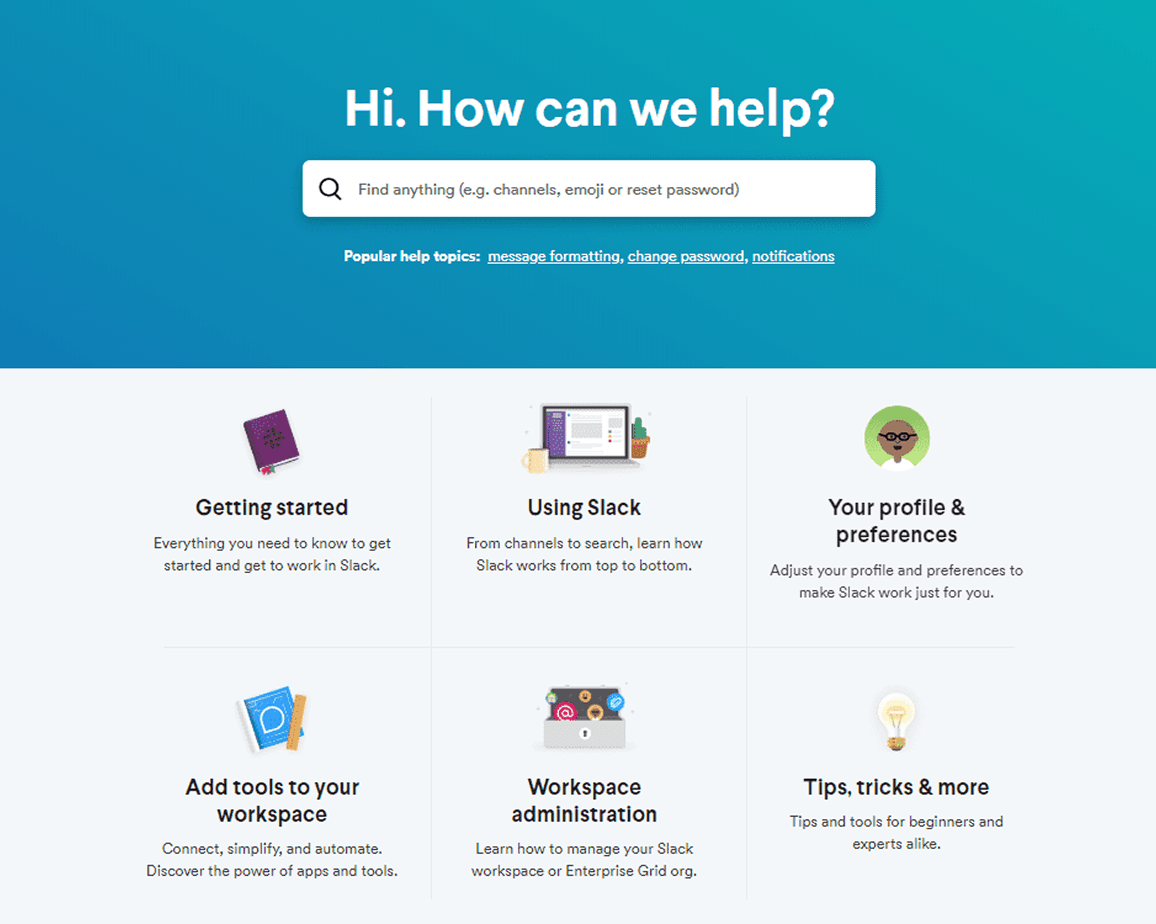
Slack’s journey is one of tech’s greatest pivots. Originally developed as a failed gaming project, the platform evolved into a revolutionary communication tool for workplaces. What made Slack’s marketing remarkable was its authenticity, the company never relied on aggressive sales tactics or heavy advertising. Instead, it focused on creating a seamless, lovable product and letting word-of-mouth do the rest. Their blog, “Several People Are Typing,” became a hub of relatable content, and their customer stories showcased real world impact.
 Strategy:
Adopted a freemium model and focused on product led growth rather than paid promotion.
Built a content driven ecosystem highlighting productivity, integration, and collaboration.
Outcome:
By 2024, Slack had more than 38.8 million daily users and became essential in workplaces worldwide all without traditional marketing. Their creative, human centered approach turned users into brand advocates and established Slack as the friendly face of workplace communication.
4. Oreo
During the 2013 Super Bowl, an unexpected power outage created a moment of opportunity that Oreo’s social media team seized brilliantly. Within minutes, they posted a simple, clever image of an Oreo cookie in the dark with the caption: “Power out? No problem. You can still dunk in the dark.” The tweet immediately captured public attention, proving that humor, timing, and creativity can outperform million dollar TV spots.
 Strategy:
Outcome:
The tweet generated thousands of retweets within minutes and became a textbook case study for realtime engagement. It earned massive media coverage and cemented Oreo’s reputation as a quick thinking, culturally aware brand.
5. Spotify
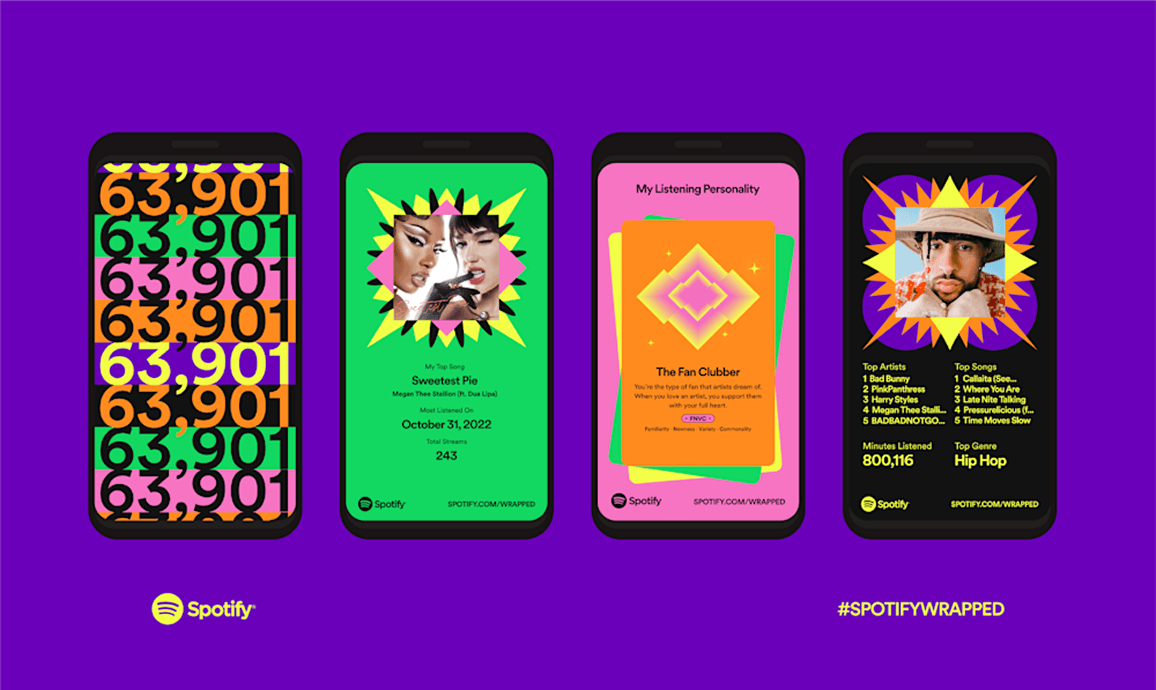
Spotify’s annual “Wrapped” campaign has turned yearend recaps into a global celebration. Each December, users eagerly wait to see their personalized stats from top artists to minutes listened. The campaign transforms raw data into vibrant, shareable stories, letting users showcase their individuality while feeling part of a larger community of music lovers.
 Strategy:
Transformed user data into personalized storytelling through vibrant visuals.
Encouraged organic social sharing by creating easily shareable, bragworthy content.
Outcome:
Spotify Wrapped dominates social media every year, generating billions of impressions and unmatched user engagement. It strengthened brand loyalty by making users feel seen and celebrated, proving that personalization can be both emotional and viral.
6. Apple
Apple’s “Shot on iPhone” campaign flipped traditional advertising on its head by handing the spotlight to its users. The company invited people from all over the world to share their best photos captured on iPhones, displaying them on billboards, commercials, and social media. It wasn’t about megapixels it was about creativity, authenticity, and real human moments.
 Strategy:
Outcome:
The campaign reached millions worldwide and turned iPhone users into brand ambassadors. It reinforced Apple’s message that creativity belongs to everyone, not just professionals, and strengthened emotional connection to the brand.
7. ALS Association
The 2014 Ice Bucket Challenge began as a fun social media trend but quickly became one of the most impactful charity campaigns ever. People around the world from celebrities to everyday users poured ice water over themselves, shared videos online, and nominated others to join in, all to raise awareness for ALS research.
 Strategy:
Used peer to peer challenge mechanics to spark global participation.
Combined humor, empathy, and virality to encourage donations and visibility.
Outcome:
The campaign raised over $115 million for ALS research and generated billions of video views. It showed the power of social media to drive real world impact when creativity meets compassion.
8. Burger King
In one of the boldest marketing stunts ever, Burger King trolled its biggest competitor, McDonald’s, using technology. Through its mobile app, the brand offered customers a 1cent Whopper if they ordered it while standing within 600 feet of a McDonald’s restaurant. The stunt turned fast food into a digital adventure that blended humor with innovation.
 Strategy:
Outcome:
The campaign resulted in 1.5 million app downloads in just nine days and massive engagement across social media. It cleverly mixed humor, competition, and convenience turning Burger King’s rivalry into a win for brand awareness.
9. Airbnb
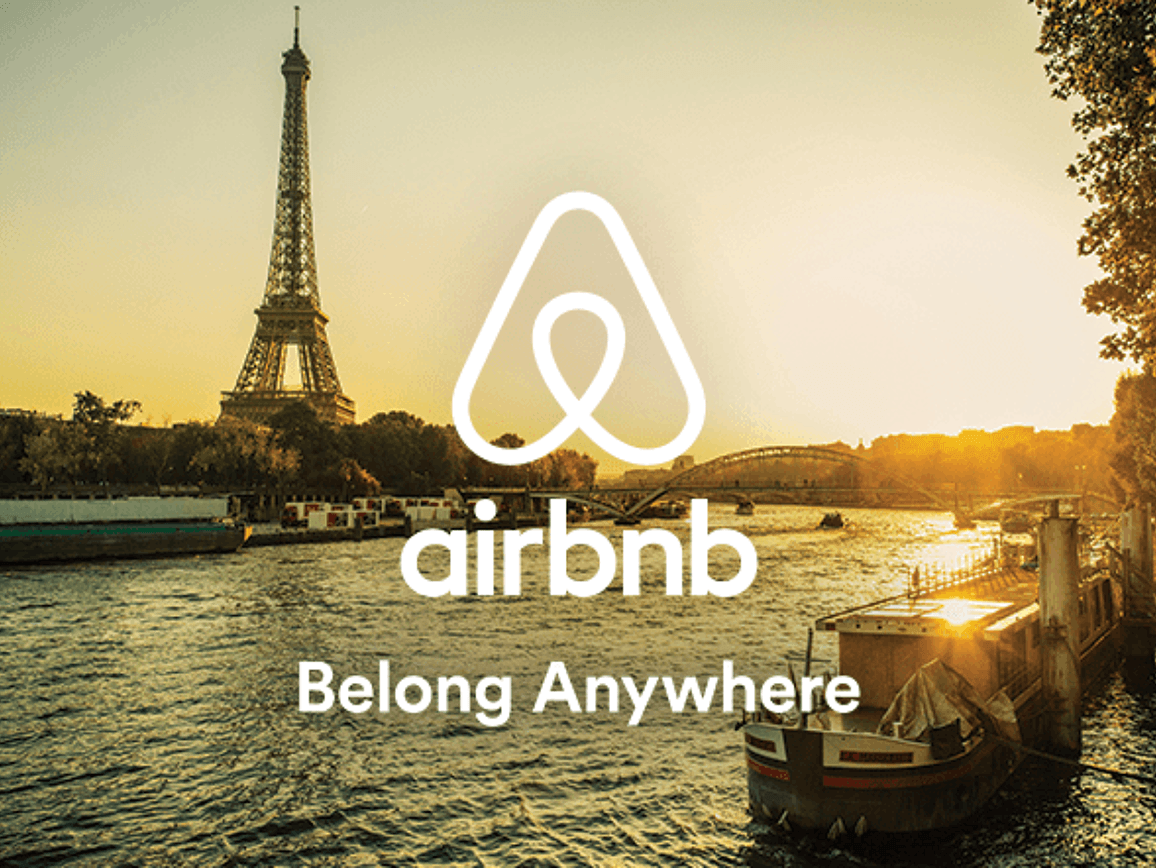
Airbnb’s “Belong Anywhere” campaign told stories of real hosts and travelers from around the world. The focus wasn’t on rooms or listings, it was on the emotional connection of feeling at home anywhere. Through authentic storytelling and cinematic visuals, Airbnb positioned itself as a brand about people, culture, and belonging.
 Strategy:
Outcome:
The campaign built deep trust and brand loyalty across borders. It turned Airbnb from a travel platform into a movement about human connection, strengthening both user engagement and global recognition.
10. LEGO
LEGO’s “Rebuild the World” campaign celebrated creativity, imagination, and problem solving. The ads featured people using LEGO bricks to build imaginative solutions to everyday problems symbolizing how creativity can rebuild not just playtime, but the world itself. It connected children and adults alike in a shared sense of wonder.
 Strategy:
Outcome:
The campaign was praised for inspiring both nostalgia and innovation. It strengthened LEGO’s image as more than a toy company, a creative force encouraging imagination and positivity across generations.
Conclusion
The best marketing doesn’t just sell it connects. From Canva’s self aware humor to CocaCola’s tech powered nostalgia and Spotify’s data storytelling, creativity lies at the heart of engagement. These examples show that when brands think differently, they don’t just capture attention they create culture. Whether you’re a startup or a global brand, the secret is to be bold, authentic, and emotionally intelligent in your storytelling.