1. Apple
Every time Apple launches a new product, it feels like a global event. From sleek teasers and cinematic videos to live launch events, Apple orchestrates its marketing across every channel TV, email, social media, and retail stores. Each platform reinforces the same core message: innovation, simplicity, and design excellence. Their unified storytelling builds anticipation months before release, with fans and media alike participating in the hype. Whether someone watches the keynote, sees a billboard, or visits an Apple Store, the brand experience feels identical, clean, aspirational, and emotionally charged.
Strategy:
Consistent, synchronized messaging across digital, retail, and traditional media.
Pre launch teasers, influencer buzz, and email marketing aligned to create global excitement.
Outcome:
Apple’s product launches consistently generate massive online engagement and record breaking sales. By blending event marketing with cross channel storytelling, Apple doesn’t just sell devices it builds emotional anticipation and loyalty that keeps customers coming back year after year.
2. Starbucks
Starbucks has perfected the art of connecting physical and digital experiences through its mobile app. The app lets customers order ahead, make payments, and earn rewards, seamlessly integrating with in store screens and personalized email campaigns. Each time a customer interacts whether through app notifications, digital receipts, or store visits the experience feels cohesive and rewarding. Starbucks uses data from the app to tailor recommendations and deals that fit each user’s tastes.
Strategy:
Unified customer data across app, email, and in-store interactions.
Personalized offers and push notifications to drive repeat visits.
Outcome:
The brand saw a sharp rise in repeat orders and customer loyalty, with over half of its U.S. sales coming from rewards members. By connecting convenience with personalization, Starbucks turned a simple app into the heart of its cross-channel strategy.
3. Rebecca Minkoff
Luxury fashion brand Rebecca Minkoff transformed in store shopping by merging it with digital innovation. Customers could interact with smart mirrors and touchscreen displays that offered outfit suggestions, product information, and even the option to save looks for later. Online shoppers could then revisit those saved items through their accounts. This cross channel ecosystem erased the line between in store browsing and online shopping, allowing customers to move fluidly between both.
Strategy:
Outcome:
Within months, the brand reported a 6–7x increase in ready to wear sales. Rebecca Minkoff proved that blending physical and digital experiences not only enhances convenience but also deepens customer engagement and conversion.
4. Coca-Cola

Coca-Cola’s iconic “Share a Coke” campaign was more than just personalized bottles it was a global cross-channel success. The brand invited people to find bottles with their names and share photos online. What started in stores quickly exploded on social media as people proudly posted their personalized bottles using the campaign hashtag. Coca-Cola also created a website where fans could send virtual bottles to friends, extending the experience digitally.
Strategy:
Outcome:
The campaign generated millions of user-generated posts and a surge in sales across multiple countries. Coca-Cola’s consistent message across physical, social, and digital touchpoints turned an everyday product into a personal, shareable experience.
5. Under Armour
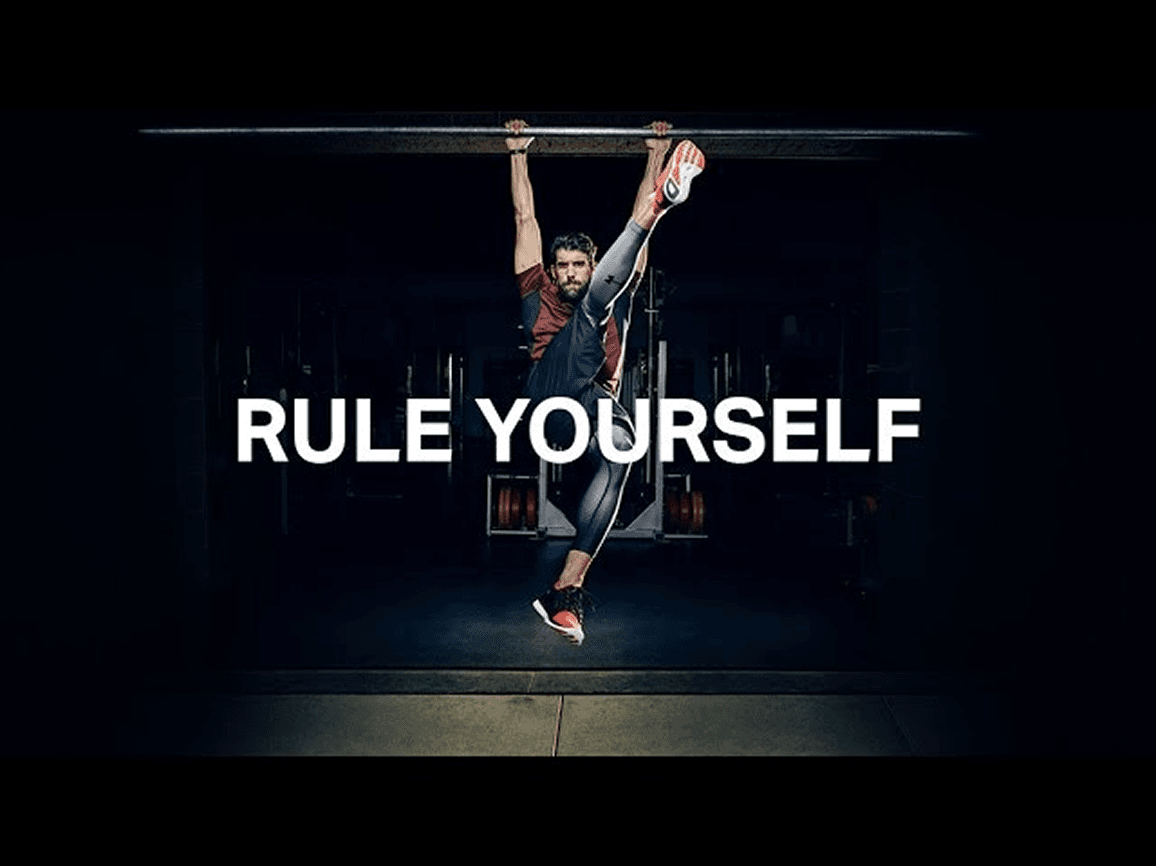
Under Armour’s “Rule Yourself” campaign emphasized discipline and hard work through powerful imagery and athlete stories. The brand connected TV commercials, YouTube ads, and social media clips featuring top athletes like Michael Phelps to inspire its community. Through its mobile app, Under Armour continued the conversation by sending training tips and motivational content, ensuring customers felt part of a performance-driven movement.
Strategy:
Multi-channel storytelling via social media, video, and mobile app content.
In store displays and email marketing aligned with campaign visuals and messages.
Outcome:
The campaign boosted engagement, sales, and brand loyalty by aligning digital inspiration with in store experiences. It reinforced Under Armour’s position as a lifestyle brand built around discipline and strength.
6. Cocomelody

Cocomelody, a bridal and formalwear brand, faced a challenge common in online fashion, customer hesitation to buy without trying. To overcome this, it launched a home try on campaign supported by digital ads, email, and SMS. Brides-to-be could order sample dresses, try them at home, and then complete purchases online. Push notifications and cart recovery messages reminded users of the convenience and flexibility of the service.
Strategy:
Outcome:
The cross channel effort built trust among online shoppers and significantly boosted conversions. By aligning personalization and convenience across platforms, Cocomelody bridged the gap between online curiosity and confident buying.
7. Divatress
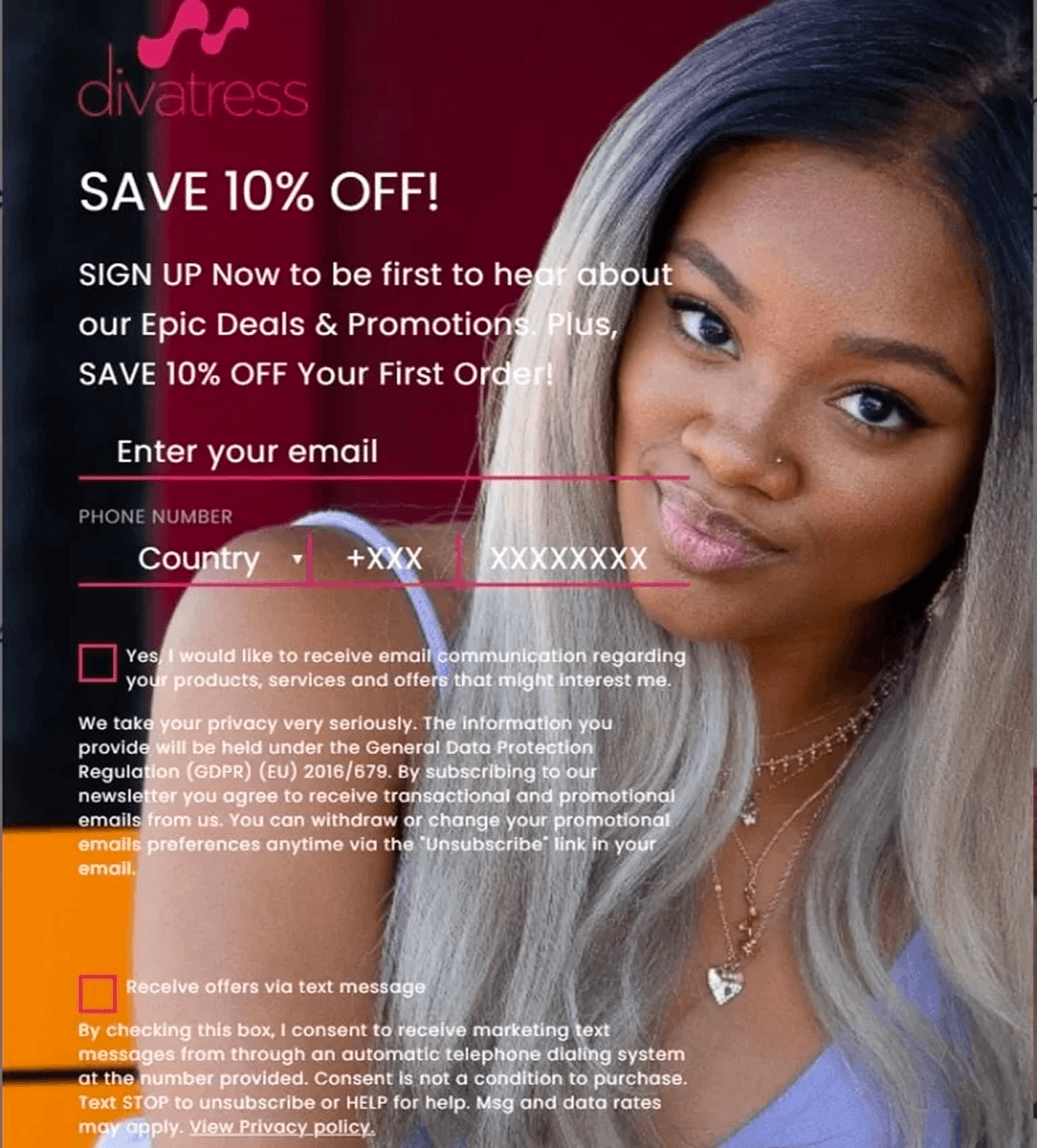
Divatress, an online wig retailer, turned potential losses into opportunities through smart automation. The brand captured user emails via website pop ups offering discounts. When shoppers abandoned their carts, Divatress followed up with email reminders, push notifications, and SMS nudges. This multi channel recovery system created a consistent, friendly push toward completing the purchase.
Strategy:
Pop up offers to collect contact details.
Automated emails, SMS, and push notifications for abandoned carts.
Outcome:
The campaign helped increase overall sales by nearly 30%. By staying present across multiple channels, Divatress effectively reminded shoppers of their intent while building a sense of personalized service.
8. Sweetwater
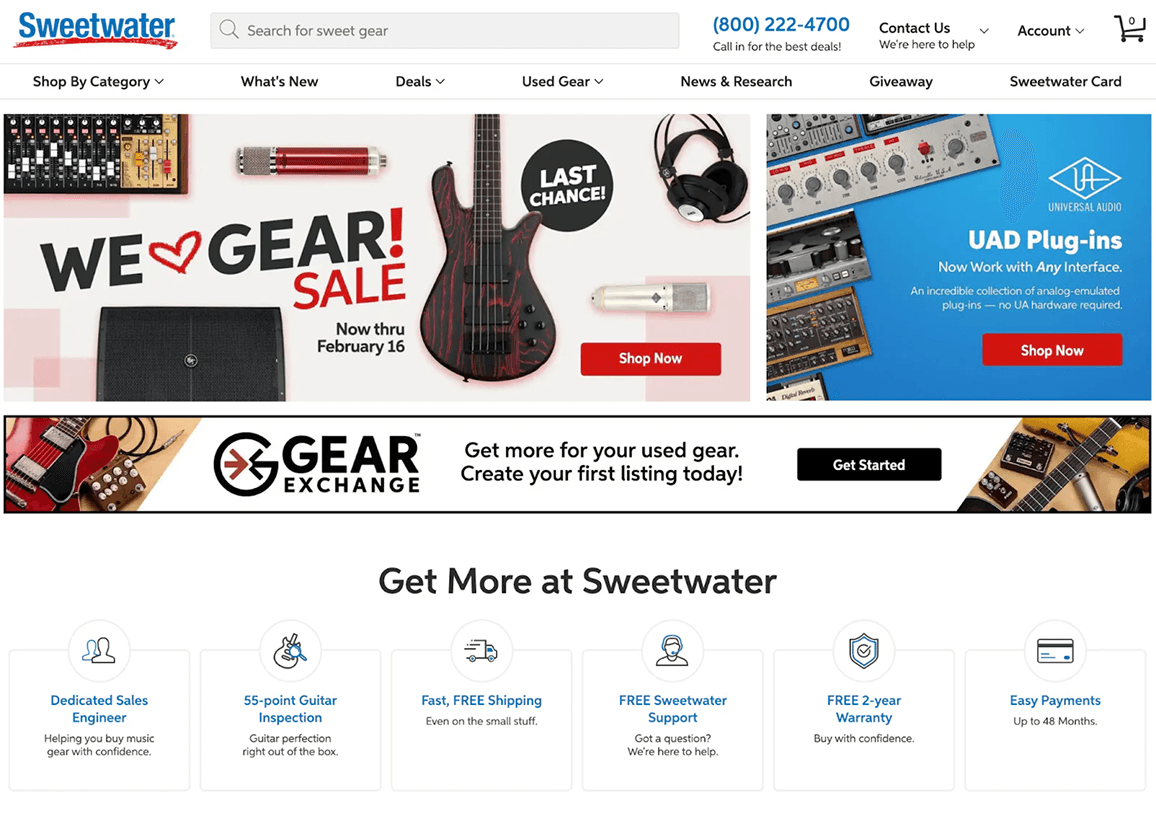
Sweetwater, a leading music equipment retailer, merges the digital and human experience brilliantly. When customers browse online, they are assigned a personal sales engineer who assists them via phone or email. After purchase, the same person follows up to ensure satisfaction or provide support. This combination of automation and human touch creates a high trust relationship that bridges the online and offline experience.
Strategy:
Outcome:
Sweetwater’s approach boosted repeat purchases and long term loyalty. The cross channel communication from browsing to post purchase builds authenticity and reliability, setting the brand apart in e-commerce.
9. State Farm
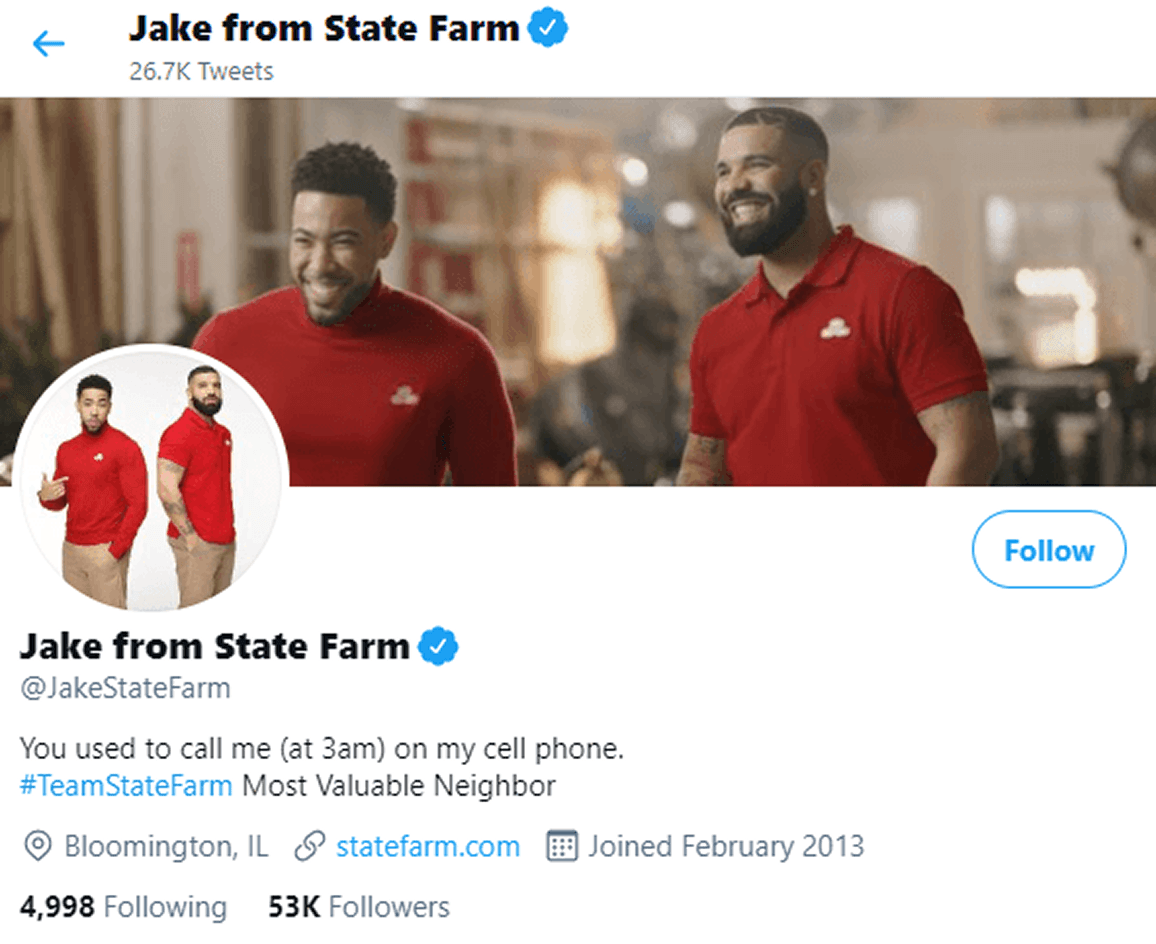
During the Super Bowl, State Farm launched a star-studded TV commercial and extended the conversation online. The brand’s social media accounts joined live Super Bowl commentary, posting behind-the-scenes clips and memes in real time. Fans interacted with the brand’s posts during and after the game, creating a blend of traditional advertising and live digital engagement.
Strategy:
Outcome:
The campaign generated millions of impressions and strong engagement on social platforms. By integrating traditional TV with active digital participation, State Farm extended the life and impact of a single ad across multiple channels.
10. Disney

Disney’s magic extends far beyond its theme parks. From the moment guests book online to the time they enter the park, every step of the experience is connected. The My Disney Experience app syncs with MagicBands, park tickets, and on site services to manage rides, dining, and photos. Disney combines email updates, push notifications, and in-person service to make the journey effortless.
Strategy:
Seamless synchronization between website, app, and on-site services.
Personalized communication and updates before, during, and after visits.
Outcome:
Disney’s integrated ecosystem delivers unmatched convenience and satisfaction. The result is not only smoother park logistics but also deeper emotional engagement turning first time visitors into lifelong fans.
11. Nike

Nike creates a unified retail and digital experience where users can explore products online, on the app, or in store and switch between them effortlessly. The Nike App offers features like “Scan to Try” and “Reserve in Store,” merging e-commerce with physical retail. Social media campaigns and personalized emails complete the circle, ensuring a consistent tone of empowerment and innovation across all touchpoints.
Strategy:
Connected app, web, and in-store features for seamless transitions.
Data driven personalization across all marketing and service channels.
Outcome:
Nike’s connected strategy drives stronger brand loyalty and omnichannel sales. By removing friction between online discovery and offline purchase, the company gives customers complete freedom to shop their way.
Conclusion
Cross channel marketing isn’t just about being everywhere it’s about being consistent and relevant everywhere. The most successful brands understand that their audience moves fluidly between channels, and they craft experiences that follow seamlessly. From Apple’s global launches to Nike’s connected retail, these examples show how coordination across touchpoints transforms marketing from noise into connection.