1. Barbie’s type-1 diabetes doll campaign
Mattel teamed up with Breakthrough T1D in 2025 to introduce Barbie's first Type-1 diabetes doll, which came with medical accessories such as an insulin pump and a glucose monitor. This unique campaign was a direct message to children suffering from Type 1 diabetes and their families, the main focus being representation and inclusiveness.
Reasons for its success:
One of the main features of the campaign was the involvement of the families of the affected ones in the co-creation process.
Inclusiveness and realistic depiction were highly praised by everyone.
The use of social media allowed them to reach out to small groups and communities.
It helped Mattel to Embrace Diversity and make a Positive Impact.
2. Kellogg’s multi-segment cereal marketing
Kellogg’s uses differentiated marketing by productizing and promoting cereals for different age and lifestyle groups. While Froot Loops is aimed at kids with its engaging, colorful ads, Special K turns to health-conscious adults through wellness marketing.
Reasons for its success:
The visuals and words used are very appropriate for each segment and their interests.
The shelf locations and the promotions are different depending on the target group.
The introduction of new products in the line is in harmony with segment preferences.
They Can Penetrate the Market Deeper and Get More Brand Awareness
Tesla separates its marketing by creating two different messages for different audiences, i.e., to attract luxury car buyers to the Model S and convince performance enthusiasts to buy the Model 3. The ads for each product focus on the unique selling points like high-end features for luxury, or quickness and innovation for the speed-loving segment.
Reasons for its success:
It operates targeted ads and different events for various groups of people.
Partnerships with influencers mirror the interests of the segment.
The feature that the test-drive campaign is stressing is what the customer is most interested in.
Enables cross-segment attractiveness to be increased without the brand losing its values.
4. Allbirds' eco-friendly storytelling
Allbirds is a brand that produces sustainable shoes, and they leveraged Instagram and other digital channels to showcase their carbon-negative products, a move aimed at environmentally conscious customers. Their uniquely crafted narratives centered around the source and the planet-friendliness, thereby linking the product's benefits to the customers' values.
Reasons for its success:
Had a perfect fit with current environmental trends.
Visual storytelling brought in very high engagement rates.
Built a loyal, niche audience.
Helped the brand become an industry leader
5. Canva’s custom freemium experience
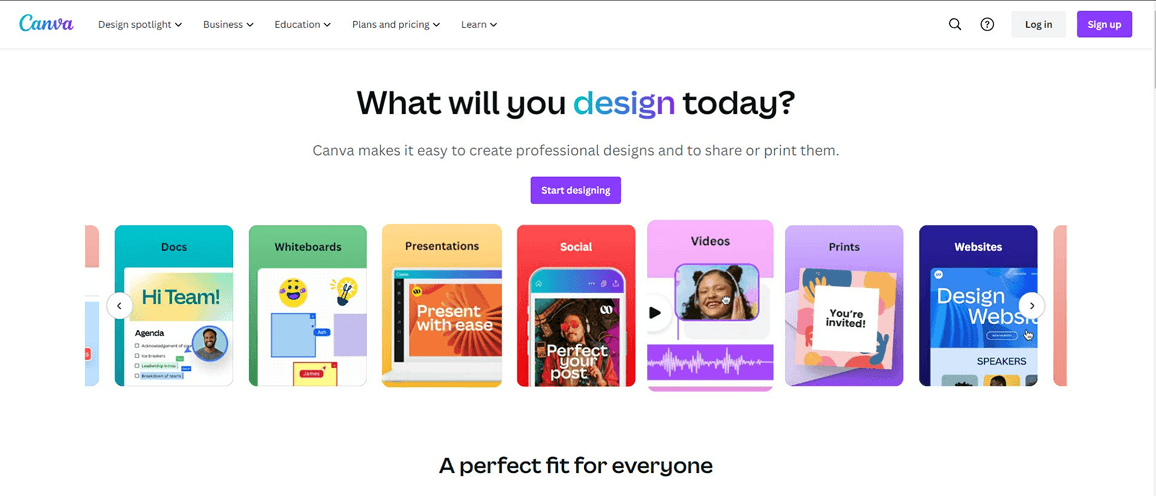
Confronted with a challenge in converting free users to paid, Canva implemented behavior-based personalized in-app messaging. They subtly introduced the paid features to free users through user behavior, a differentiated manner in SaaS marketing.
Reasons for its success:
Behavioral triggers made the messages more relevant.
The personal interaction enhanced the user's trust.
There was a significant increase in conversion rates.
Faced multiple segments, each with different needs.
6. Old Navy’s family-focused apparel campaigns
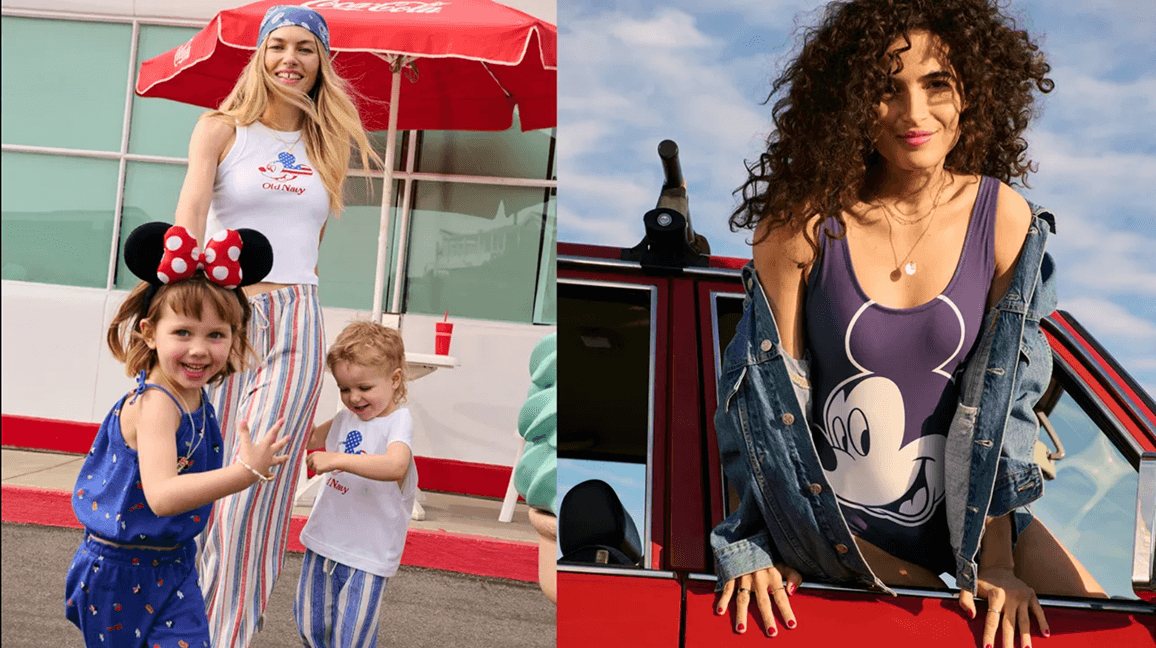
Old Navy creates differentiated marketing by running enjoyable, family-targeted campaigns for kids' clothing and launching fashionable ads for adults at the same time. Loyalty rewards and offers are personalized by age and lifestyle to engage both the family and the individual.
Reasons for its success:
Old Navy carries out seasonal promotions for different age groups.
Parents are involved through back-to-school campaigns.
Celebrity endorsements attract teens and young adults.
Coordinates activities in-store for families.
7. Lenovo’s gamer and enterprise segmentation
Lenovo segments the promotion of its laptops and desktops, advertising its Legion series for gamers with esports sponsorships and influencer campaigns, while appealing to businesses with ThinkPad's dependability and power.
Reasons for its success:
Legion marketing concentrates on factors such as speed, graphics, and gaming lifestyle.
ThinkPad commercials highlight productivity, security, and feature business user testimonials.
They have different loyalty schemes and user groups.
Helps Brand to be Stronger in Very Different Usage Scenarios
8. Volvo’s safety-centric branding
Volvo has constantly set itself apart through the safety innovations it brings, stressing the features and the technology that ensure the safety of families. Their ad campaigns focus on safety awards and testimonials from real-life.
Reasons for its success:
Made safety-conscious buyers feel comfortable and trust the brand.
Supported a unique, easily defendable position.
We're still successful when the market shifted to electric vehicles.
Increased brand loyalty and reputation
9. IKEA’s augmented reality app
IKEA set itself apart through an AR app that allowed shoppers to see how furniture would fit in their room before buying, thereby lessening buying uncertainty.

Reasons for its success:
Improved the buying experience and made it more convenient for the customers.
Helped to bring down the number of returns and customer dissatisfaction.
Attracted tech-savvy customers.
Helped brick-and-mortar and online sales go up
10. LEGO’s digital-physical integration
LEGO brought new life to its brand by collaborating with entertainment franchises and creating digital platforms where users can engage, thus targeting both kids and nostalgic adults with tailored, differentiated experiences.
Reasons for its success:
Successfully combined digital and physical play in an innovative way.
Multi-generational audiences were drawn in.
Helped open up new market segments.
Returned the company to profitability.
Conclusion
Differentiated marketing is essential for companies seeking growth by serving multiple segments in today's diverse marketplace. The differentiated marketing approach allows brands to deliver precise offerings for a variety of buyers, strengthening brand recognition and customer loyalty.
These differentiated marketing examples show how distinct messaging and tailored campaigns impact revenue, adaptability, and competitiveness. By studying differentiated examples, businesses can identify unexplored niches and launch creative strategies that put their brand at the forefront.