1. Netflix: 3D Billboards and Stranger Things Pop-Ups

For Stranger Things Season 4, Netflix launched interactive pop-ups across major cities and jaw-dropping 3D billboards. In London’s Shoreditch, fans walked into the Upside Down with immersive sets and photo ops.
Why it worked:
Tapped into fandom culture with Instagrammable moments.
Combined digital spectacle (3D billboards) with in-person immersion.
Fueled anticipation and social buzz ahead of launch.
Takeaway: If your brand has cultural capital, give fans a world to step into.
2. Jimmy Dean Sausage: AR Coupons Through Eggs
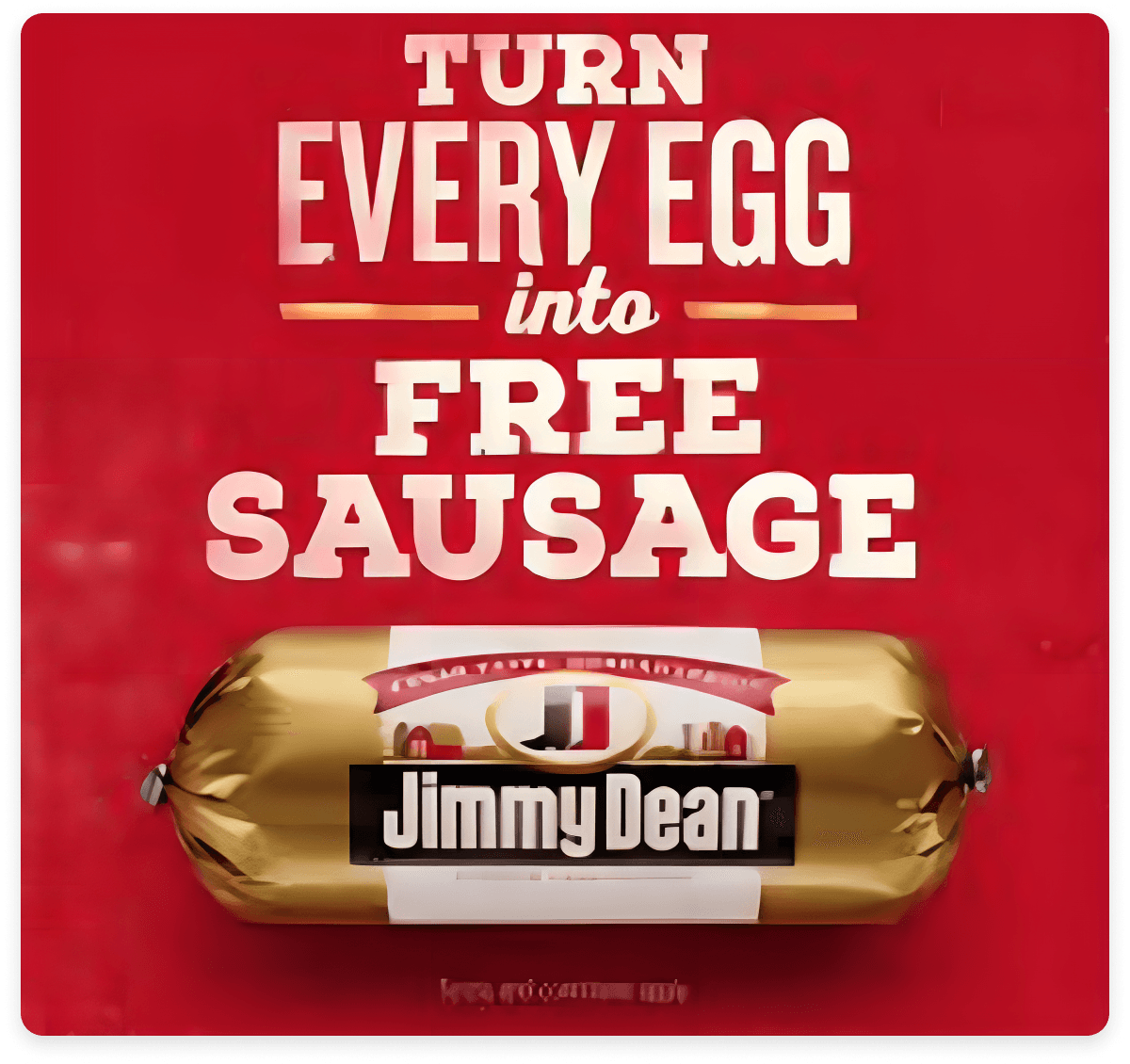
Tyson Foods teamed up with Snapchat and Amazon Ads to reinvent breakfast. Shoppers could scan an egg with their phone to unlock an AR filter and a coupon for Jimmy Dean sausage. The campaign blended everyday kitchen items with gamified mobile interaction.
Why it worked:
Bridged offline behavior (buying eggs) with online engagement.
Used AR not as a gimmick but as a path to purchase.
Turned a “special occasion” product into an everyday choice.
Takeaway: Gamification + utility = a powerful combo. Don’t just entertain, make the interaction useful.
3. Spotify: Wrapped as a Global Experience

Every December, Spotify Wrapped takes over the internet. On the surface, it’s a personalized playlist. But in reality, it’s an experiential campaign disguised as content. Millions share their yearly music stats on social media, turning personal data into a cultural event.
Why it worked:
Hyper-personalization makes it irresistible to share.
Easy to access, with zero barriers to participation.
Spotify didn’t just give users a report; it gave them bragging rights.
Takeaway: An “experience” doesn’t always require a physical setup. Digital experiences can become movements when they connect emotionally.
4. IKEA: The Sleepover in a Showroom

In the UK, IKEA hosted a sleepover in one of its stores after fans petitioned for it. Winners enjoyed a night with sleep experts, massages, midnight snacks, and personalized mattresses.
Why it worked:
Turned a common store visit into a once-in-a-lifetime adventure.
Delivered practical brand value (better sleep, better beds).
Generated viral PR coverage without heavy ad spend.
Takeaway: Sometimes the best experiences come from letting fans’ imaginations lead the way.
5. Vans: House of Vans Pop-Ups

Vans consistently builds brand love through House of Vans pop-ups, skate parks, music stages, and art installations rolled into one. These aren’t just events; they’re subcultural hubs where the brand’s identity thrives.
Why it worked:
Perfectly aligned with Vans’ community-driven DNA.
Created authentic spaces for creativity and self-expression.
Strengthened loyalty by giving back to the skate and music culture.
Takeaway: Experiential marketing is most powerful when it amplifies an existing community rather than trying to create one from scratch.
6. Cheetos: The Hands-Free House at SXSW

At SXSW 2022, Cheetos and Amazon Ads built a fully interactive “Hands-Free House” powered by Alexa. Guests could explore a space designed to solve the infamous problem of “Cheetos dust on everything.” Doors, lights, even appliances, all voice-controlled.
Why it worked:
Cleverly tied back to a product truth (orange-dusted fingers).
Combined physical space with smart-home tech for immersion.
Created a fun, shareable environment for festival-goers.
Takeaway: Experiential campaigns work best when they lean into a brand’s quirks instead of hiding them.
7. Nike: Air Max Day AR Treasure Hunt

To celebrate Air Max Day, Nike launched an AR treasure hunt in major cities. Using a Snapchat filter, fans could unlock limited-edition sneakers hidden virtually in real locations.
Why it worked:
Blended sneaker culture’s exclusivity with digital play.
Created urgency and excitement around limited drops.
Encouraged people to move, explore, and share.
Takeaway: Scarcity + interactivity is a recipe for hype-driven engagement.
8. Bumble: Empowering Pop-Up Cafés

Dating app Bumble opened “Bumble Hives”, pop-up cafés where people could network, attend talks, and connect in safe, stylish spaces. It wasn’t just about dating; it was about building meaningful connections.
Why it worked:
Extended the brand’s mission (healthy relationships) into the real world.
Created positive PR as a community-builder, not just a dating app.
Allowed potential users to experience the brand’s values.
Takeaway: When your product is intangible (like an app), physical experiences make your brand feel real.
9. Guinness: The Six Nations Rugby Fan Zones

Guinness transformed pubs and city squares into immersive rugby fan zones during the Six Nations tournament. With giant screens, branded décor, and interactive games, fans bonded over both the sport and the brand.
Why it worked:
Aligned perfectly with its “Made of More” positioning.
Strengthened Guinness’s status as the drink of choice for rugby fans.
Delivered shared experiences at scale.
Takeaway: When a brand becomes part of the cultural fabric of an event, it doesn’t feel like advertising; it feels natural.
10. Lego: AR-Powered Retail

Lego stores now feature AR kiosks where kids can hold a Lego box up and see the finished set come alive on-screen. It bridges the gap between product imagination and reality.
Why it worked:
Interactive, kid-friendly, and memorable.
Simplifies the decision-making process for parents.
Elevates the in-store experience beyond shopping.
Takeaway: Retail + AR is no longer futuristic; it’s expected.
Key Elements Behind Successful Experiential Marketing
Looking across these campaigns, a few success factors stand out:
Brand Relevance: Every experience made sense for the brand. (Cheetos leaned into dust; Vans leaned into skate culture.)
Memorability: Experiences weren’t generic; they were surprising, fun, and emotional.
Measurability: From AR scans to hashtag tracking, brands found ways to link the event to outcomes.
Shareability: Nearly every campaign is built in photo, video, or social sharing moments.
Avoiding Common Pitfalls
Not every experiential campaign succeeds. Brands stumble when:
The experience feels disconnected from their core identity.
Execution overshadows purpose (tech for tech’s sake).
Measurement is missing, leaving no proof of ROI.
The lesson? Keep experiences authentic, purposeful, and trackable.
Final Words
Experiential marketing is not about flashy stunts. It’s about moments that feel real, personal, and worth remembering. Whether it’s a hands-free house, an AR treasure hunt, or a pop-up café, the best campaigns give people stories to tell, not just ads to scroll past.
For brands, the challenge isn’t to outspend others. It’s to out-experience them.