



Influencer marketing has evolved into a powerhouse strategy for brands aiming to create real connections and measurable outcomes. Gone are the days of pushing generic posts; today’s winning campaigns blend creativity, authenticity, and careful strategy to spark conversations and boost business growth.
In this article, you'll find fresh, real-world influencer marketing examples that cut through the noise and deliver results. These case studies prove that smart collaborations, innovative formats, and genuine storytelling are the core of success.
Knowing which campaign style fits your brand’s goals is a good thing. Here’s how today’s marketers leverage influencer partnerships in smart, innovative ways.
1. Affiliate Partnerships: Trusted Recommendations = Conversions

Affiliate marketing continues to dominate as a direct, measurable way to turn influencer credibility into sales. By giving influencers unique codes or referral links, brands motivate creators to promote products actively, knowing their earnings depend on performance.
Example:
Lenskart’s #HalkaRakhYaar campaign during the festive season was a masterstroke of affiliate-driven growth. With YouTuber Bhuvan Bam showcasing their eyewear in natural, everyday settings, the campaign combined star power and relatable content flawlessly. Followers were offered exclusive discounts through affiliate links, prompting immediate traffic to the website and impressive app downloads.
Why it worked: The campaign’s success was built on authentic product demonstrations, exclusive offers creating urgency, and trust transferred from influencer to consumer, empowering genuine buying decisions.
2. Co-Creation: Influencers as Product Partners
Moving beyond standard sponsorships, today’s most forward-thinking brands actively involve influencers in product development. This deep collaboration ensures the final products resonate authentically with the influencer’s audience, sparking genuine anticipation and long-lasting buzz.
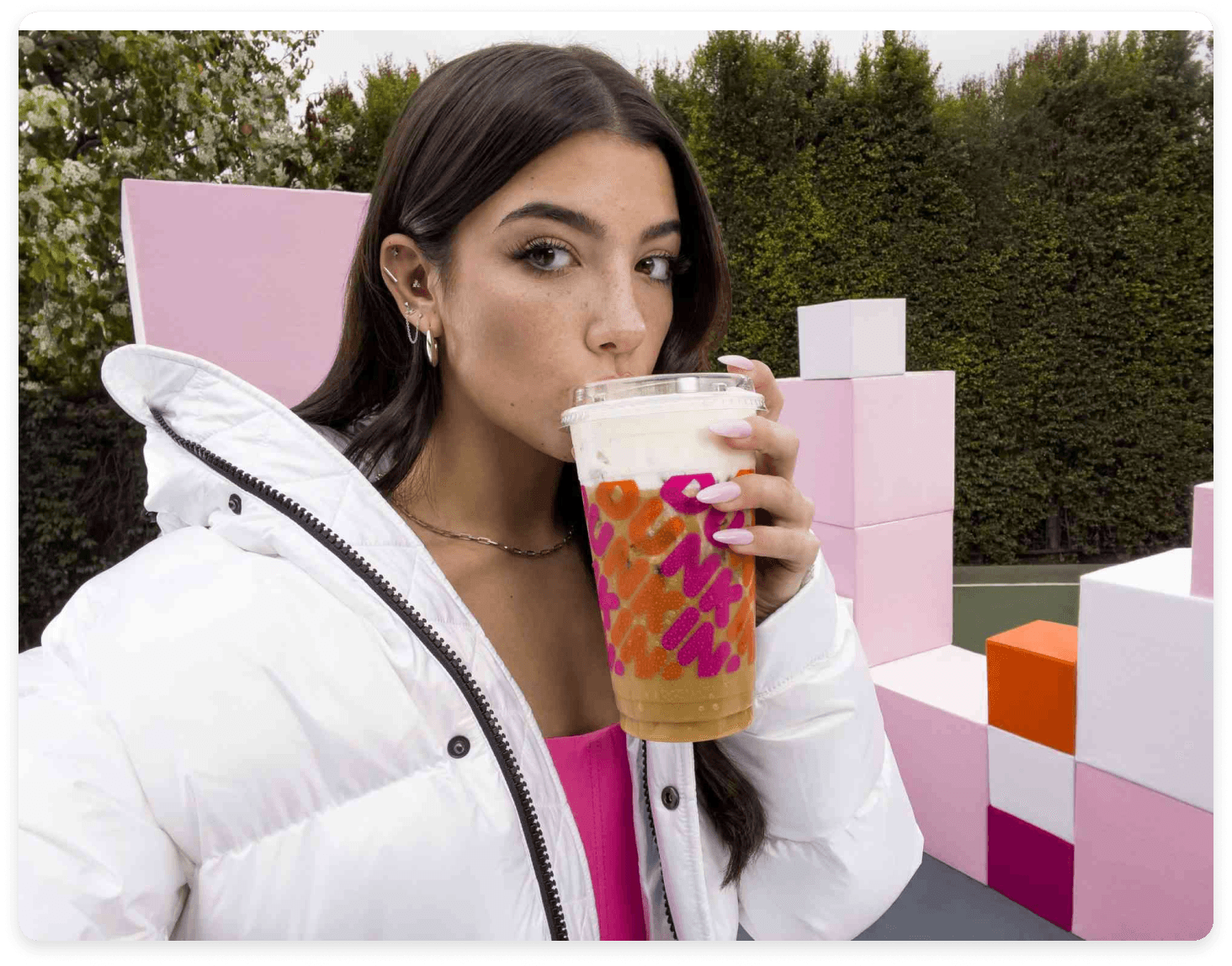
Example: Dunkin’ partnered with TikTok sensation Charli D’Amelio to co-create “The Charli”, a signature drink inspired by her favorite order. Instead of just promoting an existing product, Charli’s input shaped the flavor and branding, making her followers feel deeply connected to the launch. To celebrate, Dunkin’ and Charli created behind-the-scenes TikTok videos, hosted live Q&As, and launched a viral hashtag challenge inviting fans to try their own versions. The campaign led to a surge in app downloads, increased store visits, and generated millions of impressions on TikTok and Instagram.
Why it worked: Charli’s authentic creative involvement made the campaign more than just an ad, it became a shared celebration between the brand, the influencer, and their communities, amplifying loyalty and purchase intent.
3. Viral Challenges: Participation Meets Fun
Creative hashtag challenges that invite users to participate, remix, or share on TikTok and Instagram harness the power of collective cultural moments to catapult brands into viral phenomena.
Example:
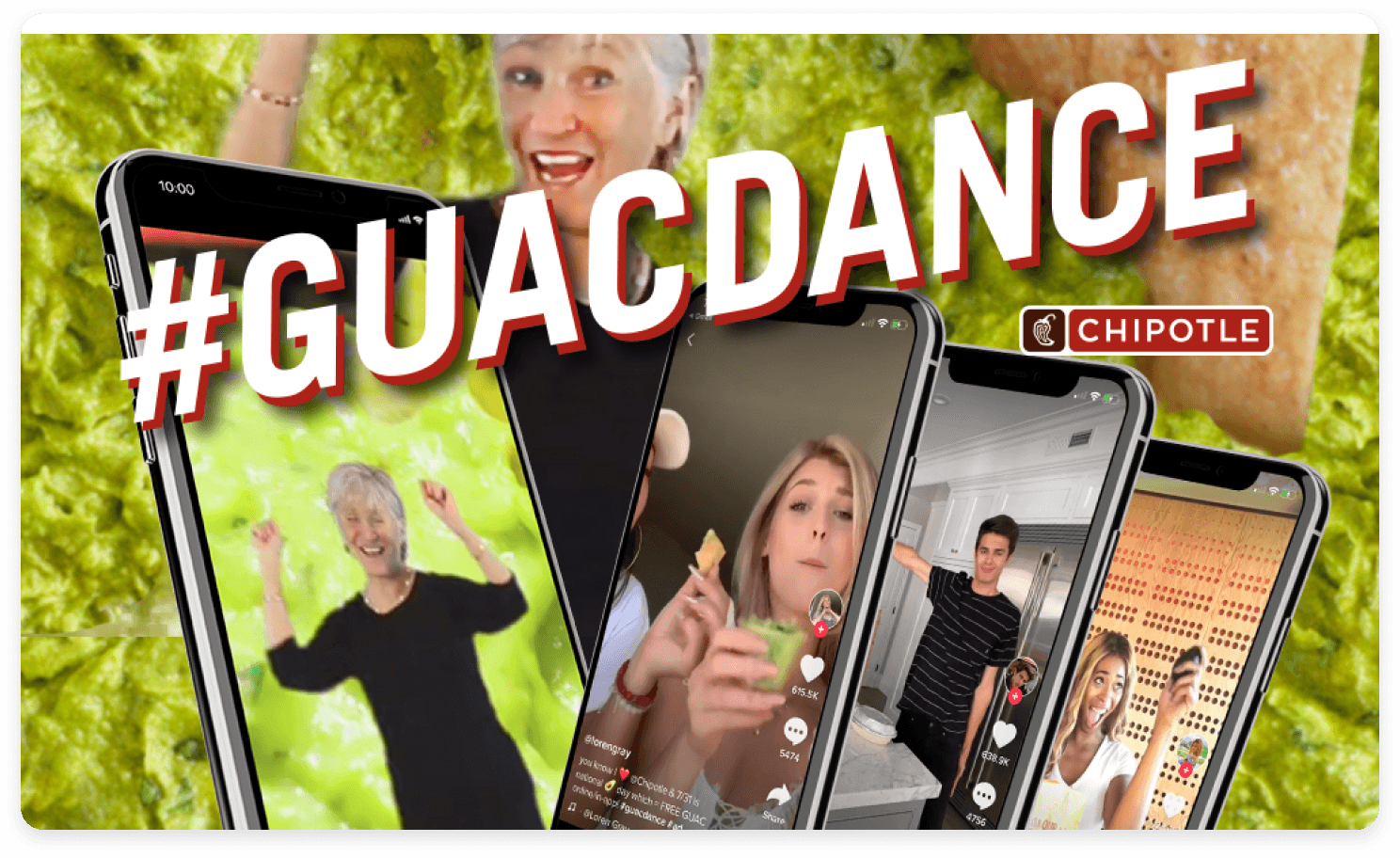
Chipotle’s #GuacDance TikTok Challenge struck gold in 2019 by tapping into the platform’s dance craze culture. Encouraging audiences to share avocado-themed dances, the campaign generated over 250,000 user-submitted videos and reached hundreds of millions of views. Beyond pure entertainment, Chipotle cleverly linked the campaign to National Avocado Day, boosting product sales and brand relevance simultaneously.
Why it worked: The campaign perfectly matched TikTok’s zeitgeist and offered users an easy, joyful way to engage with the brand, turning audiences into co-creators.
4. Authentic Storytelling: Real Voices, Real Impact

Narrative-based campaigns from trusted influencers provide a potent way to build credibility and emotional bonds with audiences wary of traditional ads.
Example:
Financial app Mogo.ca teamed up with YouTube creator Carter Sullivan to tell a compelling, unscripted story of her personal journey to becoming debt-free. The video content inserted Mogo’s features as an organic part of the story, allowing viewers to relate deeply without feeling marketed to. This campaign gained thousands of highly engaged views and directly increased app downloads, introducing Mogo to a new generation seeking financial freedom.
Why it worked: Transparency, vulnerability, and a realistic tone made the message resonate uniquely in a crowded financial services space.
5. Experiential Campaigns: Immersive and Inclusive
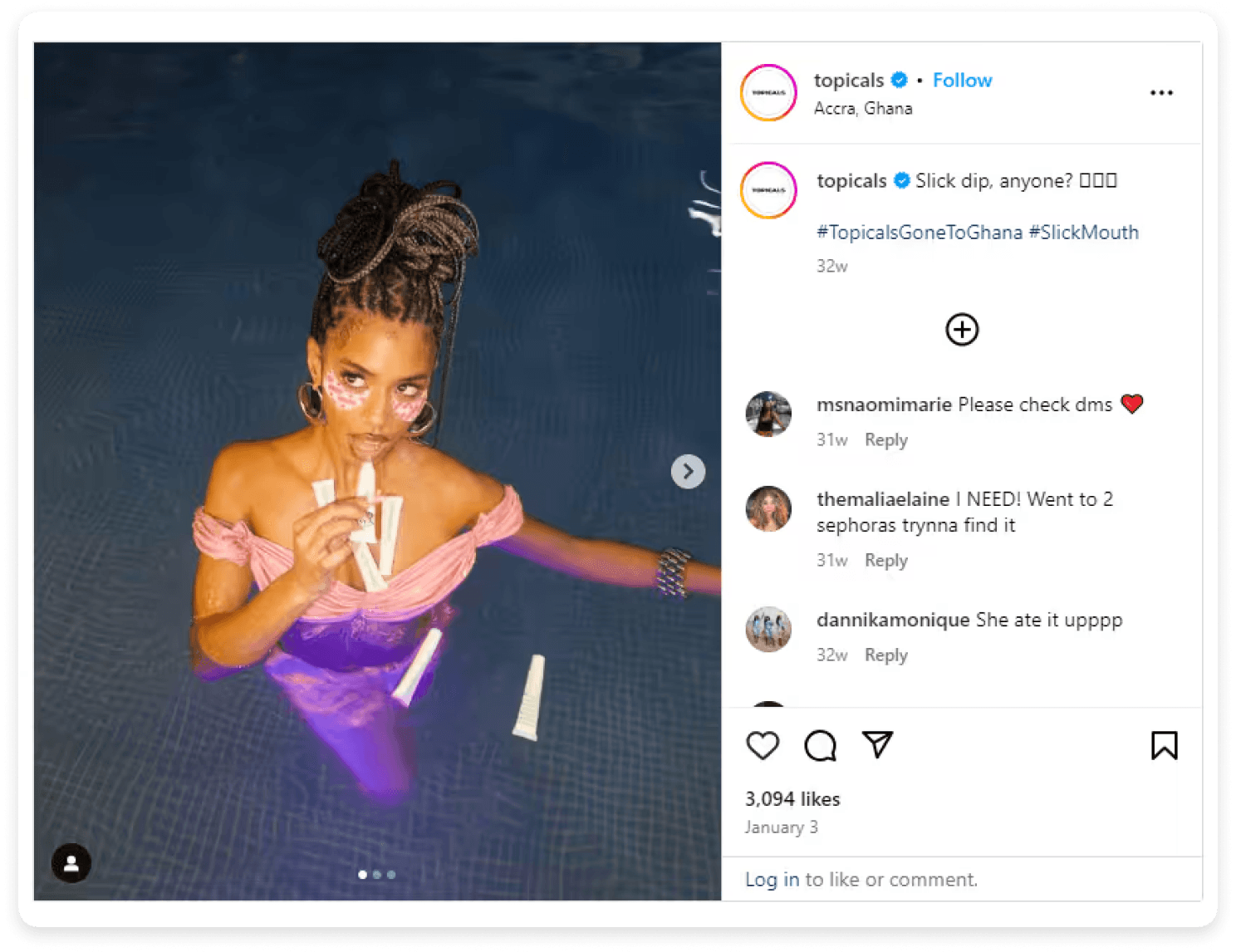
Exclusive influencer retreats and events create premium content opportunities for brands while showcasing commitment to diversity, inclusion, and authentic experiences.
Example:
Topicals, a rising skincare authority, celebrated its third anniversary with an influencer trip to Bermuda. The brand handpicked 18 diverse creators ranging from lifestyle bloggers to estheticians. Influencers posted GRWM (Get Ready With Me) videos, ASMR content, and event highlights, supplemented with branded hashtags like #TopicalsTakesBermuda, generating a tidal wave of engagement and a net gain of thousands of followers.
Why it worked: The campaign’s success hinged on genuine creator experiences amplified by a strong sense of community and inclusiveness.
6. Micro-Influencer Networks: Scale Through Niches
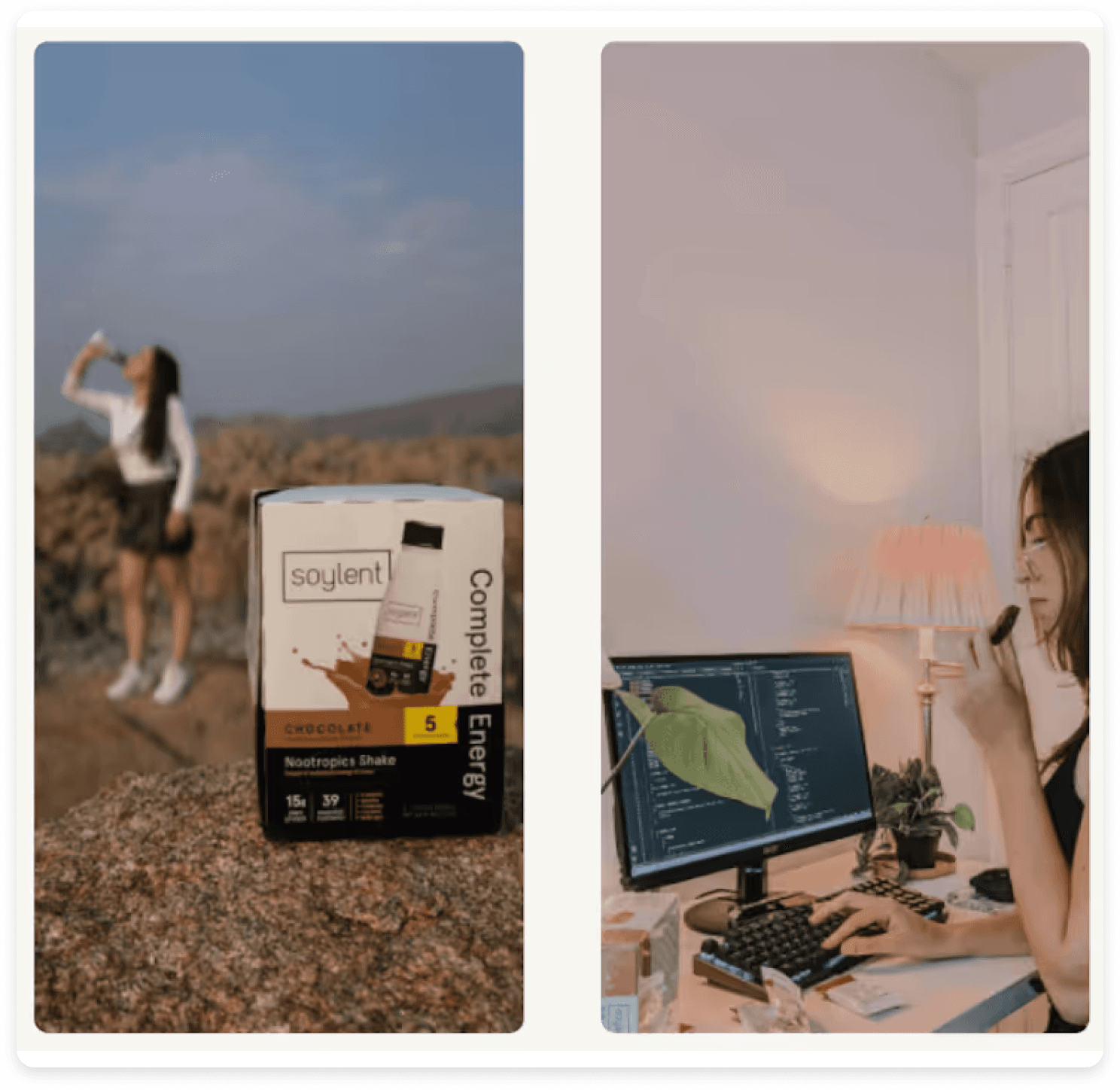 Brands engaging large networks of smaller, highly authentic influencers reach niche audience trust rarely achieved by mass celebrity campaigns.
Example:
Soylent brought together 10 micro-influencers to create culturally relevant, personalized stories around their lifestyle product. These creators’ content generated millions of impressions and significantly drove down customer acquisition costs by engaging with tightly-knit, trusted communities.
Why it worked: The decentralized approach combined reach and relatability, ideal for brands seeking grassroots trust and scale without big-budget celebrity deals.
7. Purpose-Driven Celebrity Collaborations: Culture Meets Cause
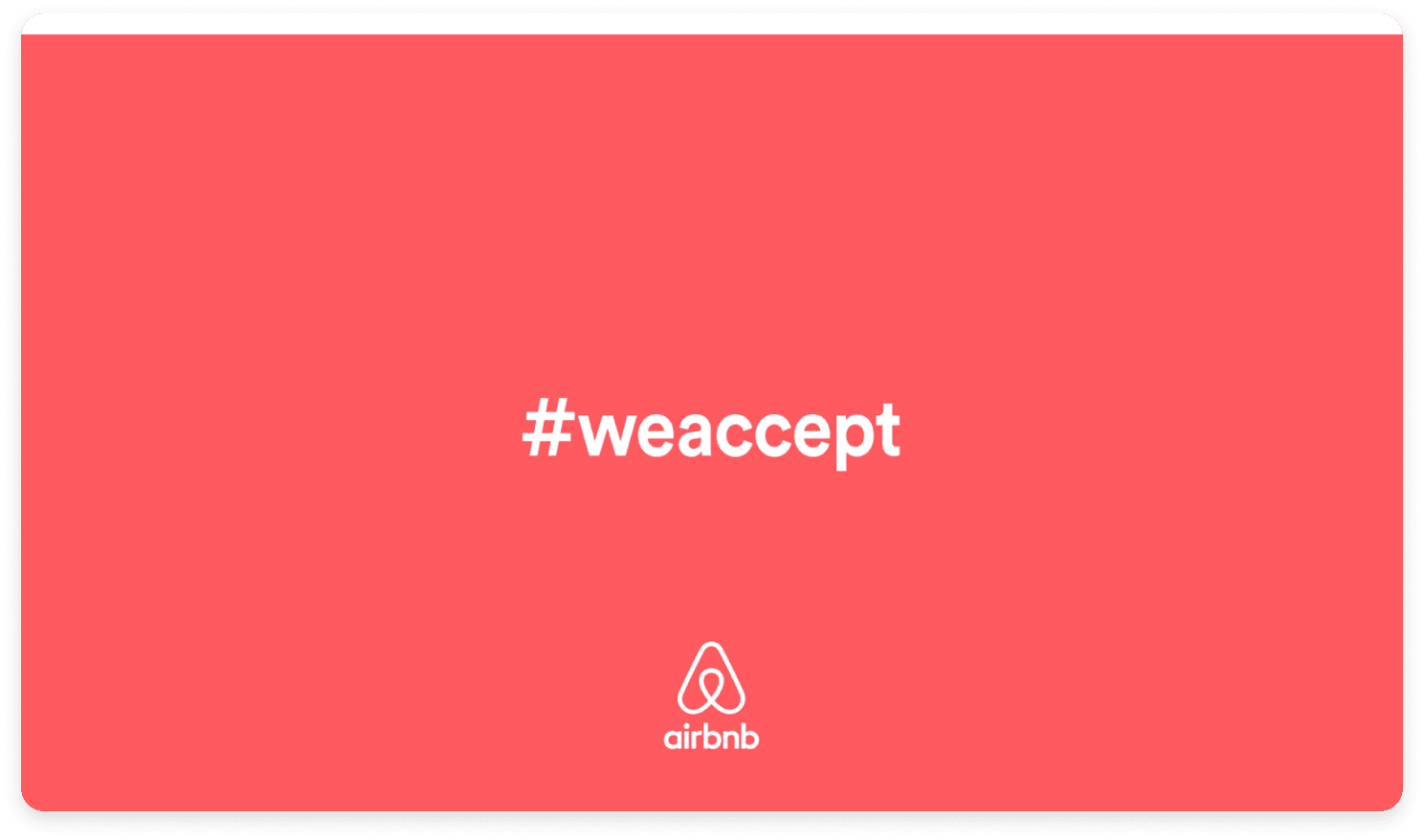 When celebrities champion purpose-driven campaigns aligned with cultural moments, the impact can affect both brand positioning and societal perceptions.
Example:
Airbnb’s #WeAccept campaign during the 2017 Super Bowl used celebrities and activists to champion diversity and inclusion. Sharing real stories from people of varied backgrounds on Instagram and Twitter, Airbnb elevated its brand beyond travel to social advocacy, fostering wide community participation.
Why it worked: Timeliness, authenticity, and a meaningful cause created a cultural resonance few brand campaigns achieve.