1. Walmart Plus
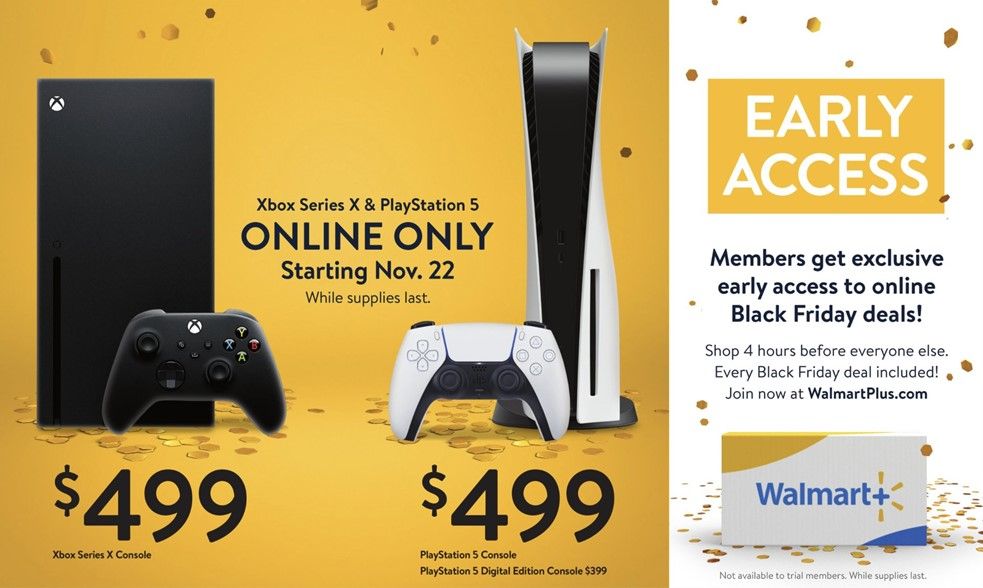
Walmart, a household name in global retail, saw shifting customer expectations driven by e commerce and convenience culture. To compete with Amazon Prime and strengthen its customer relationships, Walmart launched Walmart Plus, a subscription-based loyalty program. It wasn’t just about discounts it was about making shopping faster, easier, and more rewarding. Members could enjoy same day grocery delivery, fuel savings, and scan and go checkout options. This innovation bridged the gap between Walmart’s massive in store presence and the digital convenience shoppers crave today.
 Strategy:
Provided free same day delivery, fuel discounts, and mobile checkout through one unified membership.
Used crosschannel integration to merge in store and online loyalty benefits seamlessly.
Positioned Walmart Plus as a lifestyle benefit, not just a rewards club.
Outcome:
The program attracted millions of subscribers within a short time, boosting customer retention and overall spending. Walmart Plus members shop more frequently and spend 25% more on average than regular customers. It also reinforced Walmart’s image as an affordable yet tech forward retail brand.
2. Sephora
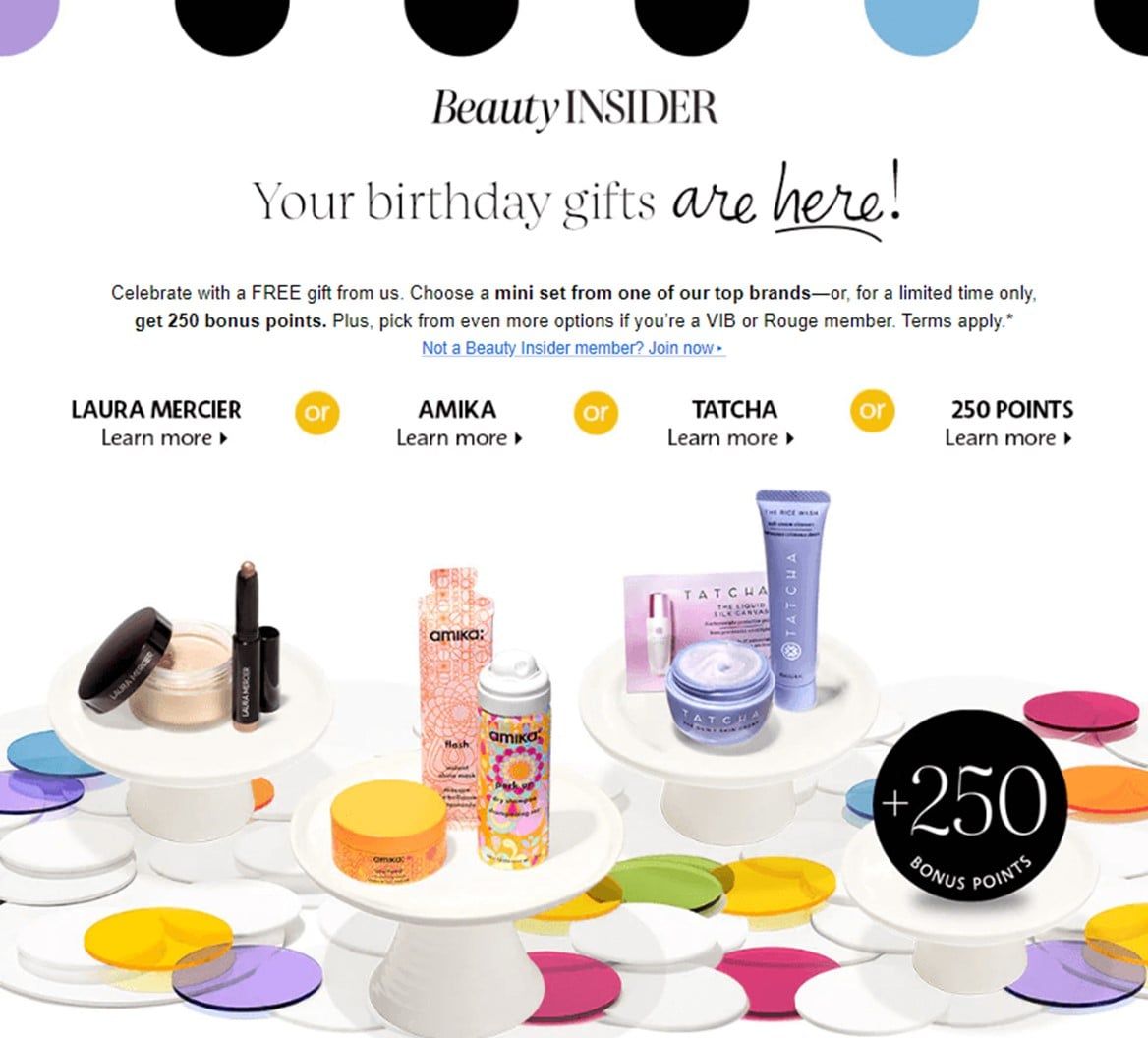
Sephora’s Beauty Insider is one of the most successful loyalty programs in the beauty industry. Launched to make beauty shopping more personal and rewarding, it connects emotionally with customers by celebrating milestones, preferences, and individuality. The tiered system Insider, VIB, and Rouge motivates shoppers to spend more to unlock better benefits. From free birthday gifts to early access to new launches, Sephora’s loyalty model makes customers feel like VIPs every time they shop.
 Strategy:
Created a tier based structure that encourages repeat purchases and higher spending.
Offered personalized product recommendations and rewards through data driven insights.
Strengthened emotional connection with exclusive experiences and beauty events.
Outcome:
The program has over 25 million members worldwide. Beauty Insider members account for a huge portion of Sephora’s total sales, and the personalization approach has driven strong loyalty and satisfaction. The brand’s engagement and retention rates continue to grow through community driven beauty experiences.
3. H&M
H&M’s loyalty program redefines fashion rewards with a focus on sustainability and personalization. Members earn points for every purchase and receive exclusive offers, early access to sales, and personalized fashion recommendations. What truly stands out is how H&M integrates sustainability and customers can recycle old clothes at stores and earn points for doing good. The program positions H&M as both a trendy and responsible brand, appealing to environmentally conscious shoppers.
 Strategy:
Rewarded members for eco friendly actions, like recycling garments.
Used personalized data insights to offer style based discounts and product recommendations.
Built emotional loyalty by aligning with sustainability values.
Outcome:
H&M’s loyalty program has over 150 million members globally, driving repeat visits and boosting the company’s reputation as a sustainable fashion leader. Members contribute to higher purchase frequency and demonstrate stronger brand attachment due to shared values.
4. McDonald’s
When McDonald’s introduced MyMcDonald’s Rewards in 2021, it aimed to turn everyday cravings into lasting relationships. Using a points based system, customers earn rewards for each order and can redeem them for free food, special offers, and birthday gifts. The program seamlessly integrates with the McDonald’s app, making it effortless to use whether customers are ordering online or at drivethrus. By gamifying fast food loyalty, McDonald’s made saving fun and habit forming.
 Strategy:
Introduced a points based reward system for every purchase.
Used the McDonald’s app for personalized deals and realtime offers.
Built loyalty through instant gratification free items, deals, and birthday treats.
Outcome:
The loyalty program led to a 15% increase in digital sales and significantly improved retention. Customers who joined MyMcDonald’s Rewards visit more often and spend more per order, strengthening brand engagement and revenue consistency.
5. Zomato Gold
Zomato revolutionized India’s food service industry with Zomato Gold, a premium subscription program offering exclusive discounts and dine in privileges. Recognizing that Indian customers love great deals and dining out with friends, Zomato designed a program that blended savings with social experiences. Members enjoyed complimentary dishes, priority reservations, and special event access, making dining out both affordable and exciting.
 Strategy:
Provided exclusive restaurant discounts and priority dining experiences.
Used insights from customer data to tailor offers to frequent diners and foodies.
Built exclusivity around a premium membership experience.
Outcome:
Zomato Gold members contributed to around 40% of total order value (INR 3,192 Cr) and greatly improved partner restaurant retention. The program boosted customer loyalty and solidified Zomato’s reputation as a lifestyle brand, not just a delivery service.
6. Target
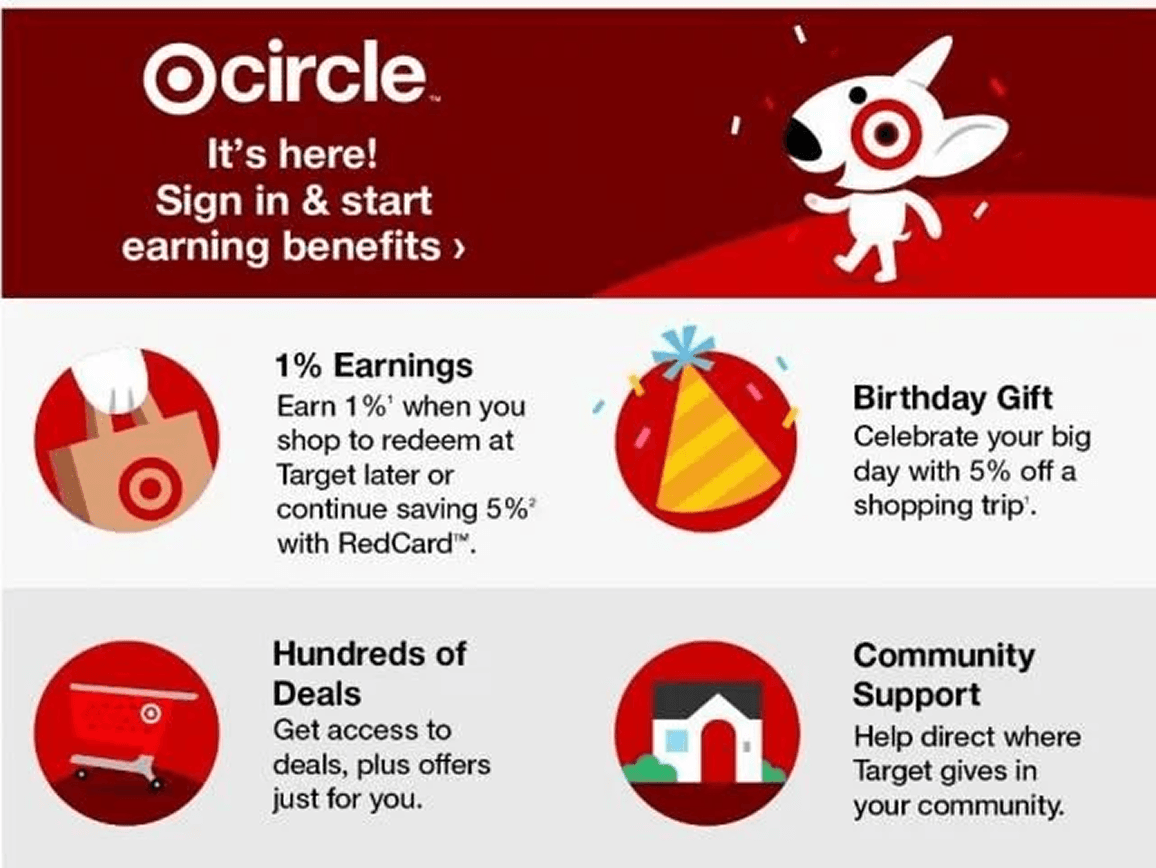
Target launched Target Circle in 2019 as a loyalty initiative focused on personalization and giving back. Members earn 1% cashback on every purchase and enjoy exclusive deals and birthday rewards. What sets Target apart is its use of customer data to offer highly relevant coupons and local community donations. This blend of personalization and purpose keeps shoppers engaged while reinforcing brand trust.
 Strategy:
Integrated personalized coupons and cashback rewards into every transaction.
Added a community giving feature where members vote on local donations.
Leveraged data analytics to tailor offers to shopping behavior.
Outcome:
Target Circle now has over 100 million members, contributing to record customer engagement levels. The program not only boosts sales but also strengthens community ties, making Target more than just a store, it's a trusted part of people’s lives.
7. Dunkin’
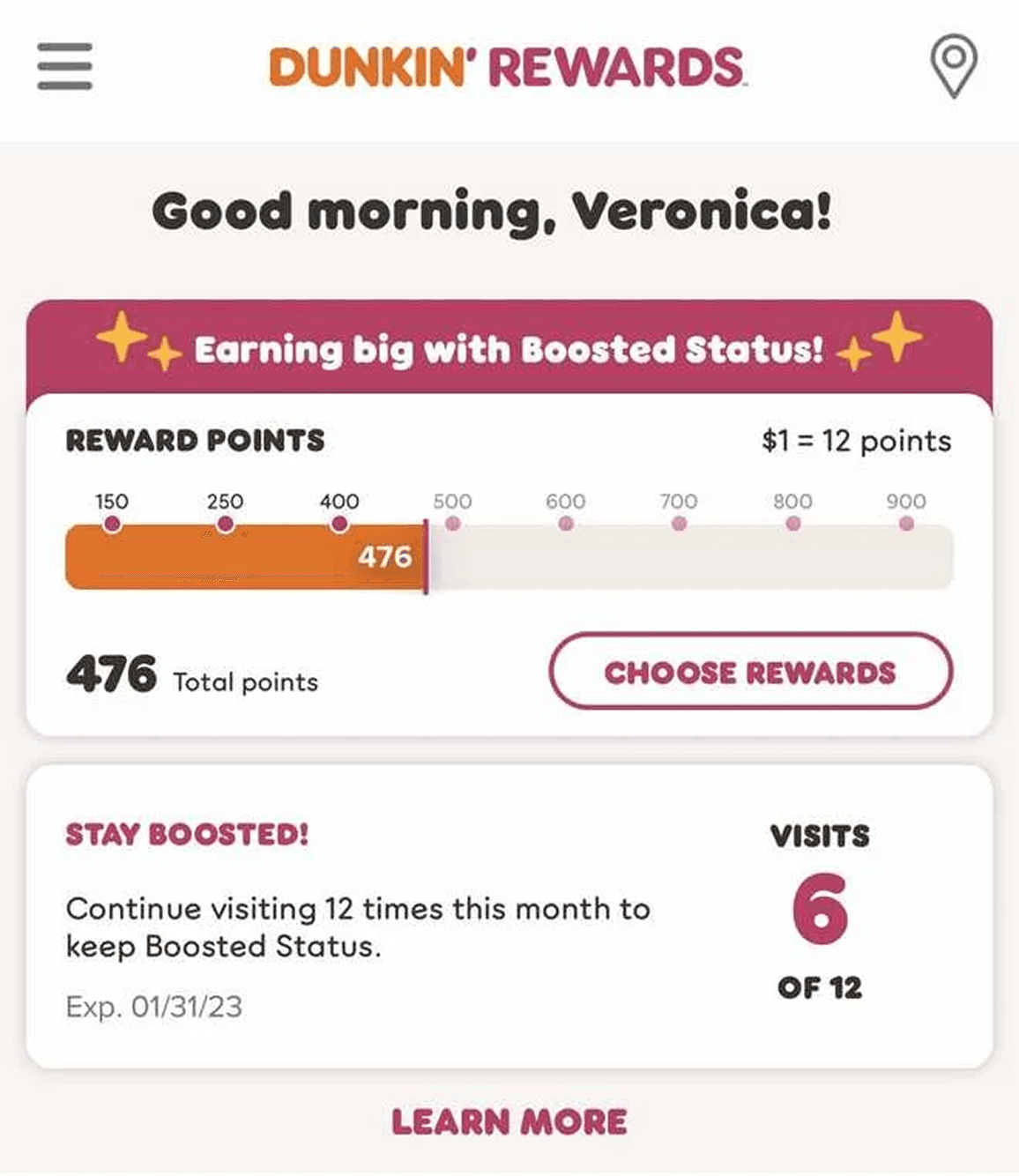
Dunkin’ understood that its loyal customers needed a reason to visit daily and DD Perks delivered just that. The program rewards members with points for every dollar spent, redeemable for free drinks and food. By tying loyalty directly to daily routines like coffee runs, Dunkin’ transformed its stores into habit hubs. The brand also made engagement easy through its mobile app, driving consistent digital participation.
 Strategy:
Introduced a simple points system (5 points per dollar spent).
Integrated loyalty seamlessly into mobile orders and payments.
Used push notifications and deals to encourage repeat visits.
Outcome:
Members visit Dunkin’ 30% more often and spend 40% more weekly than nonmembers. The program has become central to Dunkin’s customer experience, increasing retention and making it a strong competitor to Starbucks.
8. Lively
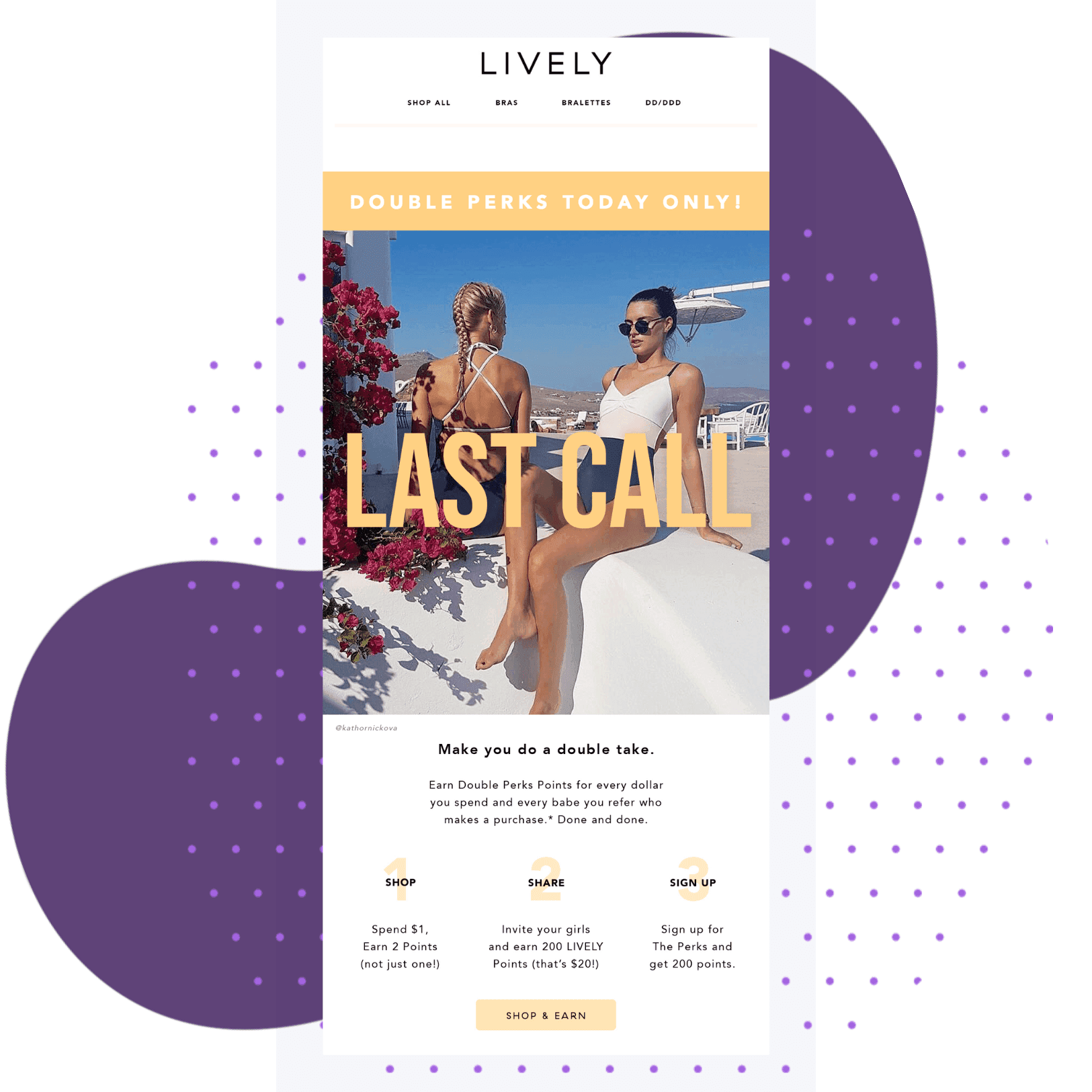
Fashion brand Lively focuses on creating emotional connections with customers through a fun and rewarding loyalty program. Members earn points not just for purchases but for following the brand on social media, referring friends, and celebrating birthdays. The brand communicates benefits clearly, giving instant rewards like $10 off for new signups. This combination of clarity, accessibility, and inclusivity helps build lasting loyalty among shoppers.
 Strategy:
Rewarded members for engagement actions like referrals and follows.
Provided instant gratification with welcome points and birthday gifts.
Created a transparent, easy to understand system that motivates users.
Outcome:
Lively’s program increased customer lifetime value by 39% and average spend by 36%. Customers feel emotionally attached to the brand, while instant rewards encourage repeat purchases and word-of-mouth growth.
9. Annmarie Skin Care
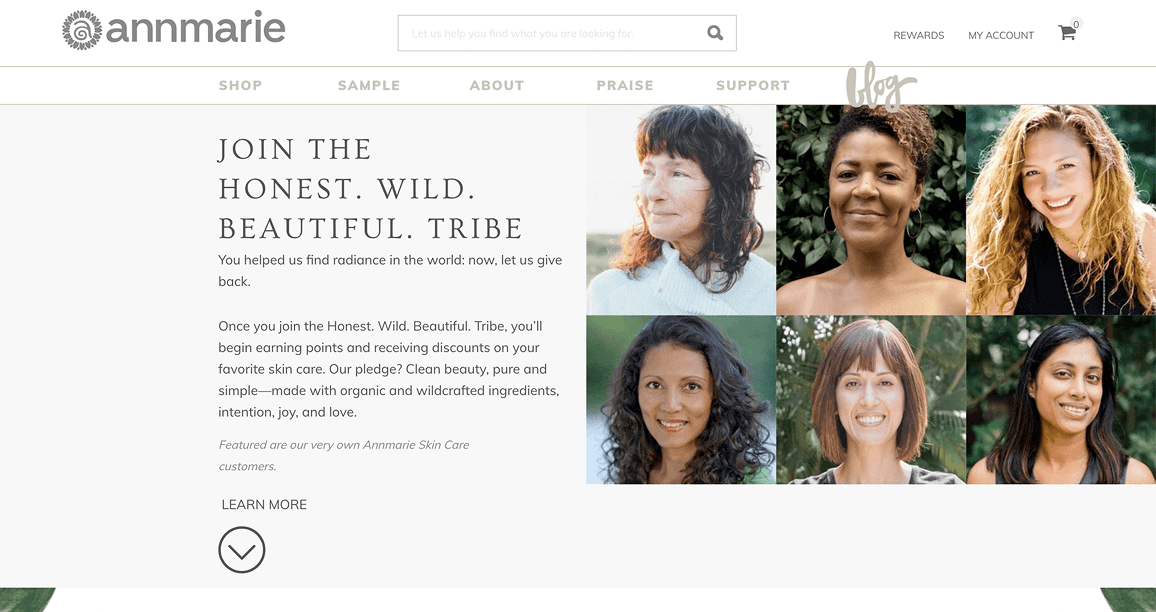
Annmarie Skin Care built its loyalty program around shared values rather than just discounts. The Wild and Beautiful Collective creates a sense of belonging among eco conscious beauty lovers. Members earn points for purchases, reviews, and referrals, while the brand nurtures community through education and authenticity. This approach positions Annmarie as more than a skincare brand, it's a movement for conscious beauty.
 Strategy:
Fostered a values based community with shared sustainability beliefs.
Rewarded customers with points for reviews, referrals, and engagement.
Used emotional branding to create belonging and purpose.
Outcome:
Members spend 140% more than nonmembers, and engagement rates are exceptionally high, with 40% of points redeemed within three months. Annmarie’s approach proves that authentic community driven loyalty can be even more powerful than discounts.
10. Ben & Jerry’s
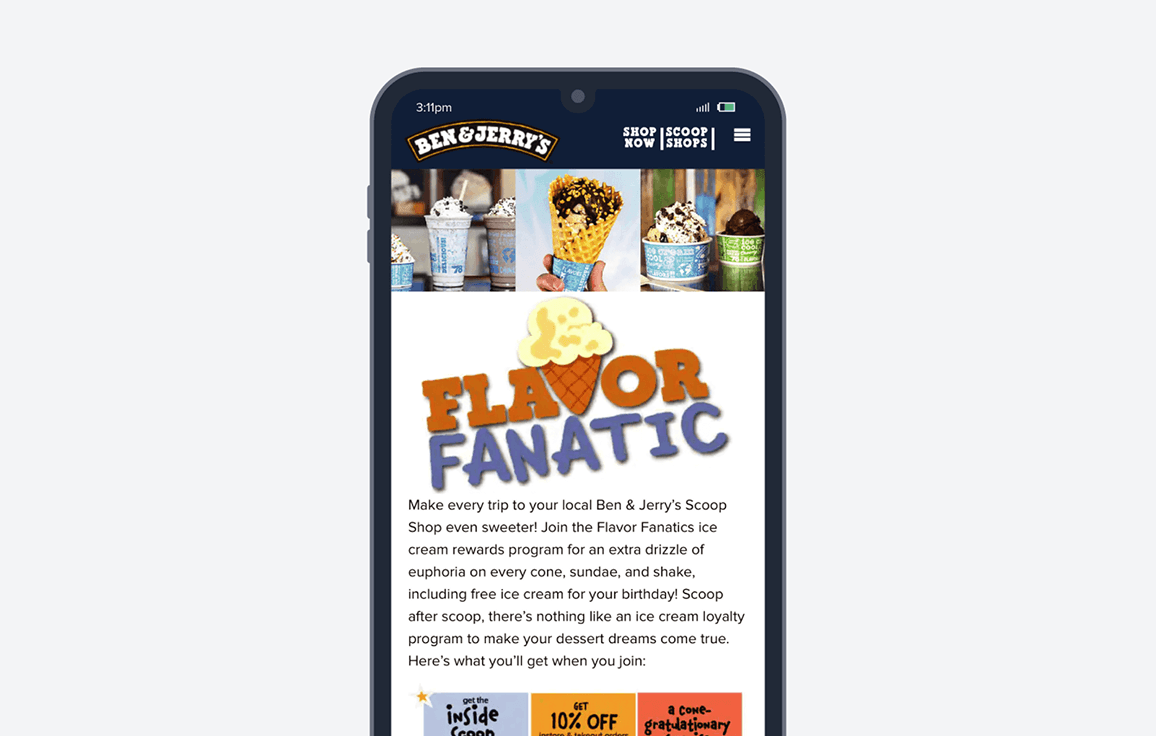
Ben & Jerry’s takes loyalty to the next level with Flavor Fanatics, a program that mixes fun rewards with a strong social mission. Members enjoy 10% off every purchase, free cones, and insider updates on new flavors. But what truly sets it apart is the brand’s commitment to activism supporting causes like climate justice and equality through limited edition flavors. This purpose driven approach turns customers into advocates for change.
 Strategy:
Combined discount based rewards with social responsibility initiatives.
Engaged fans through cause themed products and limited edition releases.
Built emotional loyalty through shared values and advocacy.
Outcome:
Flavor Fanatics has built a deeply loyal community of socially conscious customers. The program drives repeat purchases while enhancing brand reputation. Ben & Jerry’s continues to prove that when loyalty aligns with purpose, engagement becomes authentic and longlasting.
Conclusion
Loyalty marketing isn’t just about discounts or freebies it’s about building relationships rooted in trust, personalization, and shared values. Whether it’s Walmart Plus offering convenience, Sephora making beauty feel personal, or Ben & Jerry’s combining ice cream with activism each brand shows how loyalty can become an emotion, not just a transaction.
As customer expectations evolve, brands that focus on experience, belonging, and authenticity will continue to thrive. These examples prove that when you reward loyalty with meaning, customers don’t just buy again they believe in your brand.