Glossier, is a beauty company that revolutionized the makeup and skincare market by unveiling bare-bones products primarily targeting millennial and Gen Z consumers. The company's approach was primarily centered on connecting with people and genuine connection, and mainly focused on community outreach, with social media at the center as the primary growth driver.
Why it succeeded: They encouraged user-generated content and honest customer storytelling on Instagram, which enabled them to build a loyal, active community.
Effect: The business achieved zero to a hundred million in revenue within five years and became one of the most beloved brands with a cult following.
Marketer's takeaway: Actual social interaction forms emotional connections that turn customers into brand evangelists.
2. Daniel Wellington: Influencer Marketing
Daniel Wellington is a Swedish watch brand that was established in 2011 and shook the conventional watch business with minimalist, affordable luxury watches. Its international growth was actually inspired by influencer-based marketing channel examples.
Why it succeeded: The partnership with Instagram influencers providing affiliate rewards initiated the organic promotion of the product.
Effect: The firm was able to sell internationally for more than $200 million within a span of two years.
Marketer's takeaway: Brand awareness increases quickly when influencer collaborations are authentic and the collaborators receive equal benefits.
3. Airbnb: Email Marketing
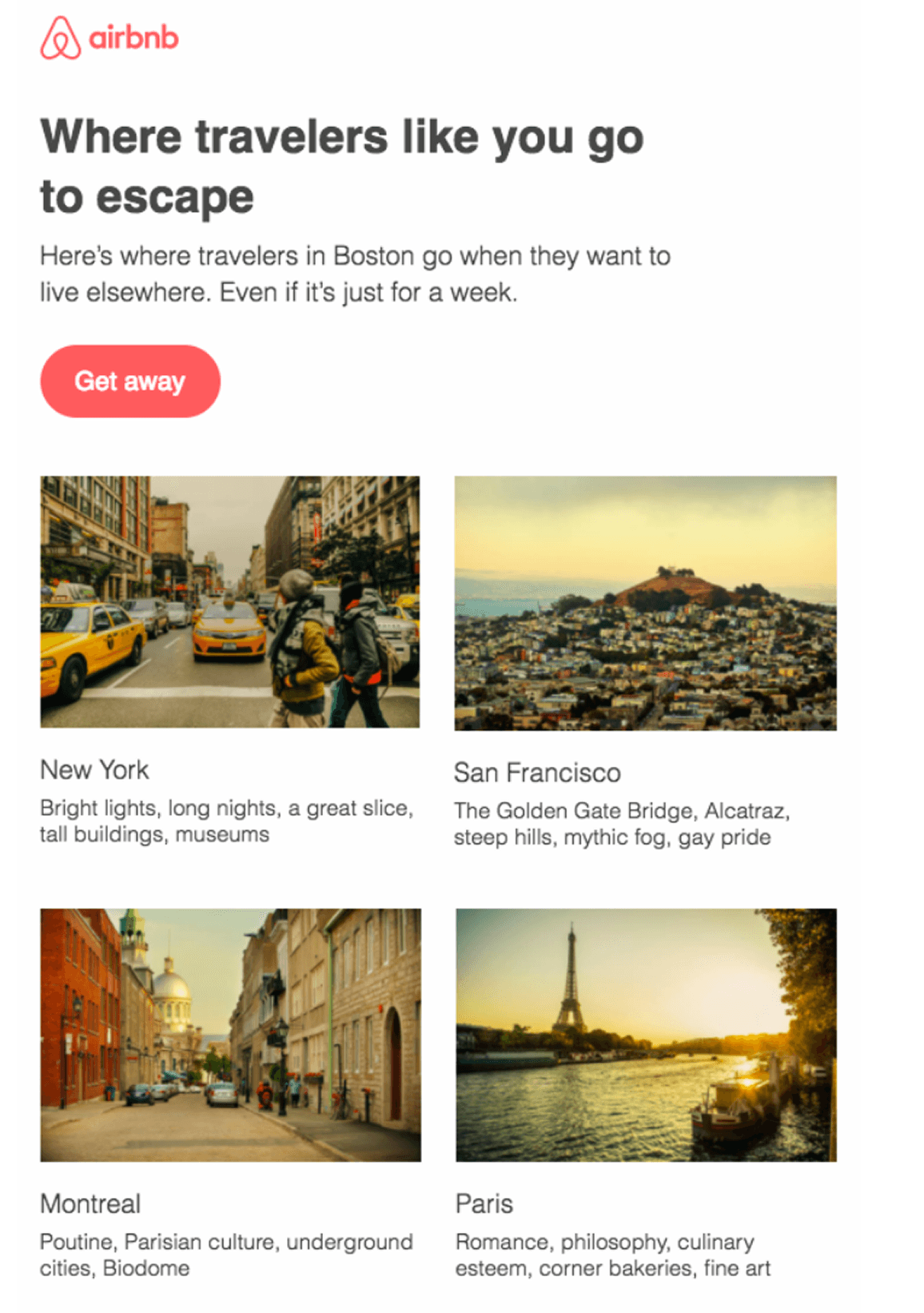
Airbnb, which has been in existence since 2008, is a worldwide platform revolutionizing travel by linking homeowners to travelers. It relies on community trust and the convenience of the users, hence one of the smartest marketing channel examples for personalization.
Why it succeeded: Personalized, behavior-driven emails made-to-order promotions and travel ideas to targeted users.
Effect: Increased bookings, retention levels improving, and the lifetime value of customers becoming more robust.
Marketer's lesson: Email personalisation is still one of the most important ROI channels for user interaction.
4. HubSpot: Content Marketing
HubSpot is an inbound marketing software leader that began gaining momentum through free resources and educational content aimed at businesses and marketers. It developed a huge audience over time and established itself as a respected authority by continually offering value-based blogs, guides, and courses.
Why it succeeded: They offered value in the form of blogs, webinars, and tools to capture and qualify the right leads an excellent marketing channel example for B2B.
Effect: Consistent inbound lead generation and market dominance in the marketing software space.
Marketer's lesson: Valuable education is a trust developer and a sustainable sales pipeline.
5. Amazon: PPC Advertising
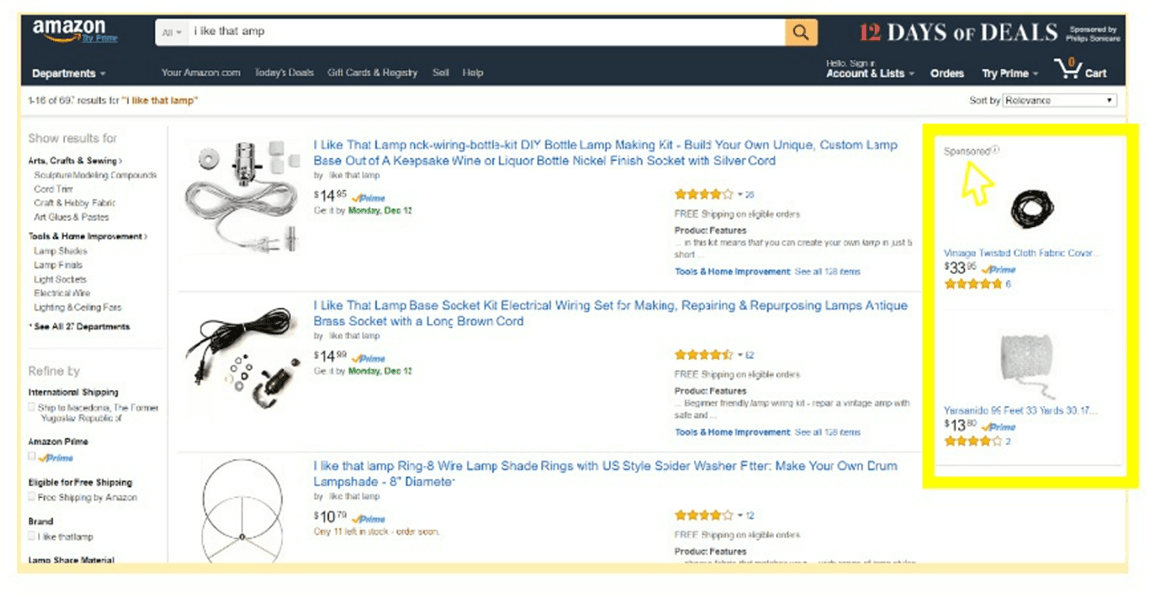
Amazon applies PPC as a prime marketing channel example for sustaining visibility in its enormous product marketplace. Its data-driven campaigns engage high-intent shoppers with precision and maximize conversions efficiently.
Why it succeeded: Careful implementation of PPC campaigns in such a manner that only highly relevant and high-intent searches were targeted, hence conserving the ad budget and driving conversions.
Effect: Sales growth at an enormous level and gaining marketplace dominance through highly precise ad targeting.
Marketer’s lesson: Pay-per-click is the tool that puts your product in front of buyers in an immediate, measurable way.
6. Dollar Shave Club: Video Marketing
Dollar Shave Club’s viral video became one of the most referenced marketing channel examples in startup storytelling. The viral campaign instantly captured attention, helping the brand stand out with humour, authenticity, and a bold message that redefined how startups use video marketing to build massive awareness.
Why it succeeded: The viral video used compelling storytelling to engage the audience, and thus, it cut through the noise and found the target customers.
Effect: Subscriber base increased rapidly, and brand awareness did as well since the video was passed around.
Marketer's lesson: Good video making can grow brand awareness exponentially while costing little.
7. Tesla: Word-of-Mouth Marketing
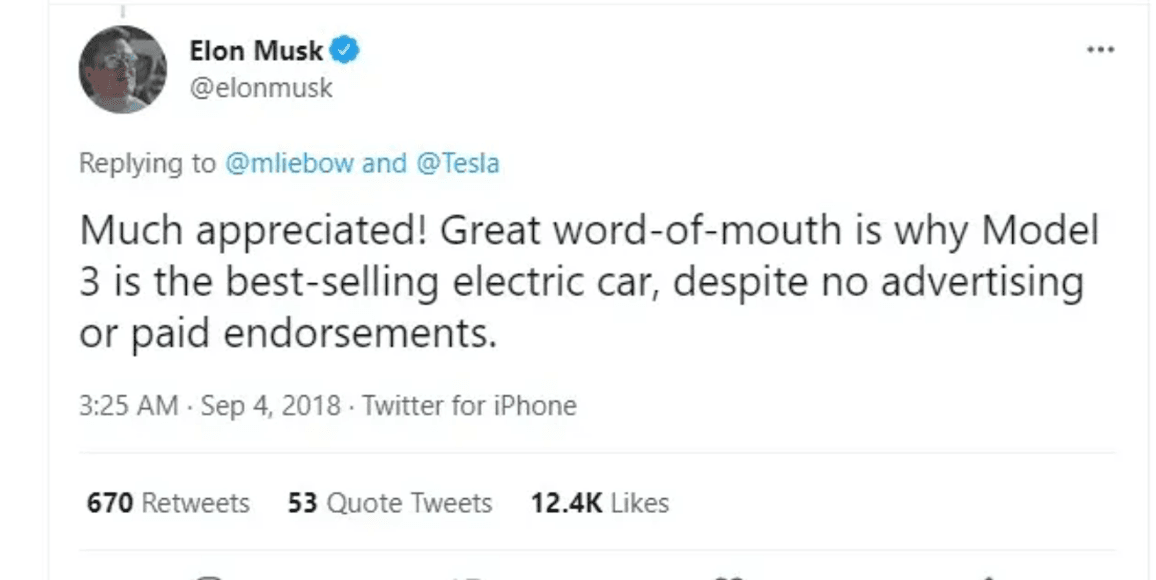
Tesla created its fan base with customer-driven buzz, showing excellent marketing channel examples that are based solely on consumer word-of-mouth. By delivering cutting-edge technology, exceptional performance, and a strong brand vision, Tesla turns its loyal fanbase into powerful brand advocates who naturally promote its products worldwide.
Why it succeeded: Brand evangelists spearheaded the grassroots word-of-mouth marketing Tesla required rather than high-cost advertisements.
Effect: Sustained brand image as premium and innovative.
Marketer's lesson: Customers' genuine passion can do more than paid advertising.
8. Shopify: Podcast Marketing
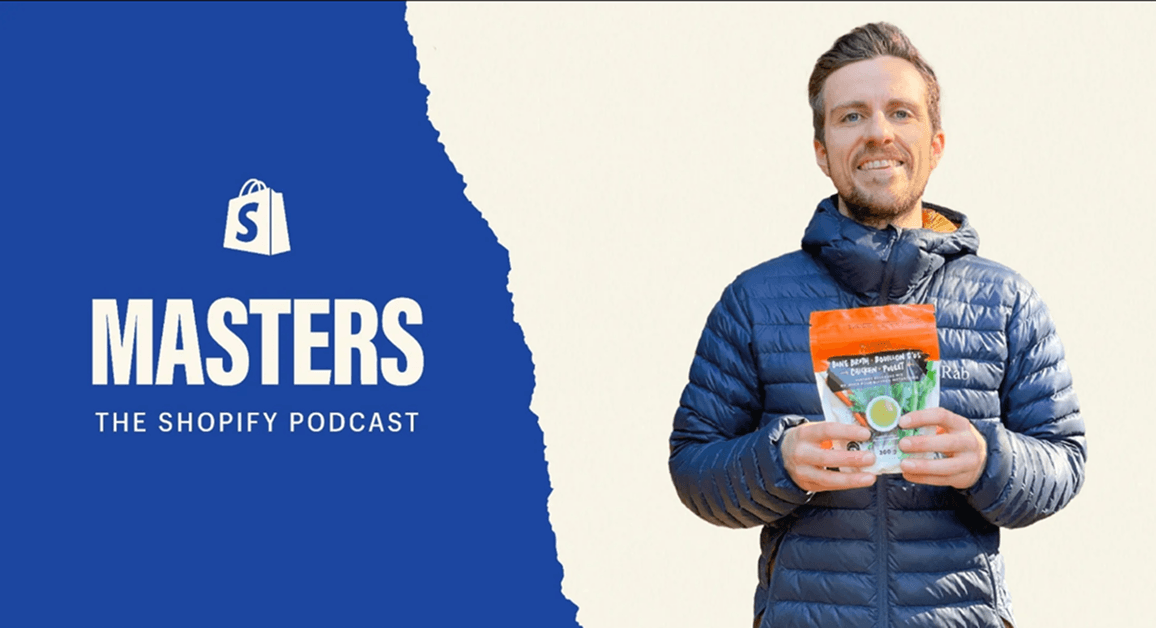 Source: Shopify
Shopify engages communities through podcast marketing agencies and founder stories, another exceptional marketing channel example rooted in conversation and inspiration, Shopify strengthens its brand presence, fosters deeper connections with business owners, and positions itself as a trusted partner in the entrepreneurial journey.
Why it succeeded: The rich storytelling format allowed Shopify to build a strong connection with e-commerce entrepreneurs.
Effect: Customer loyalty and credibility increased, along with low marketing expenses.
Marketer's takeaway: A podcast is a great vehicle for gaining the trust of a particular audience by being informative.
9. Sephora: SMS Marketing
Sephora's text reminders demonstrate how examples of marketing channels such as SMS create one-to-one customer relationships.By using personalized SMS campaigns, the brand delivers timely updates, exclusive deals, and beauty tips that keep customers connected and encourage repeat purchases.
Why it succeeded: The personalized nature of messages resulted in high open and conversion rates.
Effect: Improved customer interaction and incremental sales via flash promotions.
Marketer's takeaway: SMS marketing is a perfect direct consumer connection that cannot be ignored.
10. Nike: Omnichannel Marketing
Nike blends online and offline infrastructures, an active marketing channel instance that harmonises user experiences throughout all touch points. Seamlessly integrating online and offline touchpoints, Nike ensures that customers enjoy personalised interactions, consistent branding, and a smooth purchasing journey across all platforms.
Why it succeeded: Consumers are drawn to consolidated messaging and standardised service experiences.
Effect: Boosted customer loyalty and lifetime value.
Marketer's takeaway: Omnichannel approaches maximise customer experience and retention.
Conclusion
Start with just 2-3 channels where your customers actually spend time. Focus on doing these well rather than spreading yourself too thin. Track your results and see what works. If something isn't working, don't be afraid to try a different channel. The best marketing channel is the one that actually connects with your audience and fits your resources.
Take that first step today. Pick one new channel to test, and see where it takes your business.