Top 10 marketing plan examples
Looking at real-world marketing plan examples can make the process much easier to understand. These examples show how different businesses translate strategy into action.
1. Mailmodo
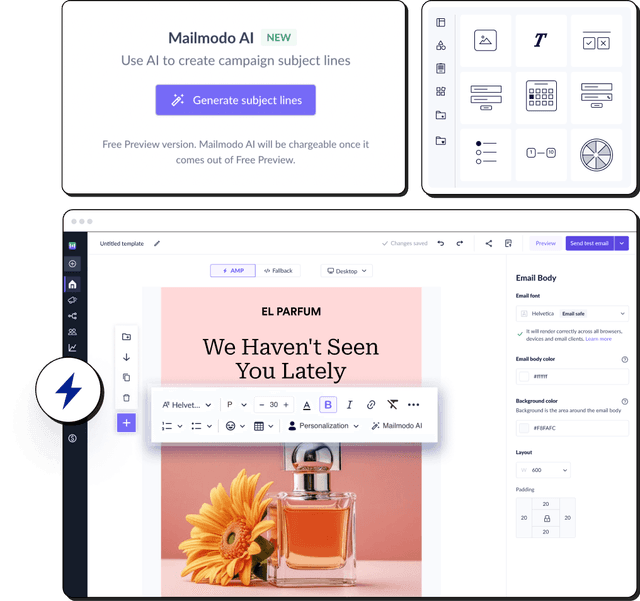
Mailmodo sets itself apart as the go-to platform for interactive email marketing. Instead of sending standard newsletters, they create app-like emails that let people do things like book a demo or fill out a survey right from their inbox. No extra clicks needed.

Interactive email campaigns: Because there are no extra clicks, Mailmodo makes it easier for people to engage and take action, leading to better results.
Education-driven content marketing: Their blogs, webinars, and helpful resources show they really know their stuff and help bring new people to their platform.
Customer-first storytelling: They share real stories from their customers, which makes it easy for others to see how Mailmodo can help them too.
Partnerships and community building: By teaming up with marketing communities, Mailmodo grows its brand in a natural and authentic way.
By focusing on customer engagement and educating their audience, Mailmodo differentiates itself in the crowded SaaS market. This approach drives higher click-through rates and positions the brand as a thought leader in interactive email.
2. Apple
Apple’s marketing plan is all about making their products feel special and connecting everything you use. They don’t just sell you a phone or a laptop—they invite you into an experience, where everything works together and feels premium.

Ecosystem marketing: Every Apple product is designed to work smoothly with the others, making life simpler and encouraging people to stick with Apple for everything.
Premium pricing strategy: Apple’s higher prices help the brand feel special and high-quality, something people aspire to own.
Minimalist advertising: Apple’s ads show off beautiful designs and how easy their products are to use, skipping the complicated tech talk.
Event-driven promotion: Apple’s big product launches, like the famous iPhone reveals, create excitement all over the world and get tons of attention, even from people who aren’t Apple fans yet.
Apple doesn’t need to compete on price. Its marketing creates desire, builds loyalty, and earns massive organic coverage, launching cultural events. This keeps Apple’s retention rates among the highest in tech.
3. Coca-Cola
Coca-Cola is one of the world’s most iconic brands, famous for marketing that makes people feel something, no matter where they live. These days, Coca-Cola’s plans focus on digital-first strategies and making sure every campaign feels local and personal.

Local-first, digital-always: Coca-Cola adapts every campaign to fit local tastes and cultures, helping the brand stay fresh and relatable everywhere.
Studio X creative hubs: With their own creative studios, Coca-Cola can quickly create content that taps into the latest trends and what’s happening in different communities.
AI experimentation: Coca-Cola is trying out new AI tools to make their campaigns feel more personal and engaging for every customer.
Coca-Cola’s combination of global consistency and local relevance helps it stay the market leader while appealing to younger digital-first audiences.
💡 Related guide: How to Use AI Marketing Bots to Automate Customer Engagement
4. Nike
Nike’s marketing plan goes beyond just selling sports gear, it connects with culture and inspires people to reach their potential. The brand has become a symbol of motivation and empowerment for athletes and everyday people alike.

Story-driven campaigns: Nike’s famous “Just Do It” stories don’t just promote products—they spark real emotions and inspire people to push their limits.
Tiered pricing: Nike offers everything from top-tier performance gear to more affordable options, so everyone can find something that fits their budget and goals.
Omnichannel distribution: Whether you’re shopping in-store, online, or on their app, Nike makes it easy to get what you need and have a smooth experience every time.
Cultural engagement: By teaming up with athletes, influencers, and social movements, Nike stays at the heart of what’s happening in culture and keeps their brand feeling fresh and relevant.
Nike’s storytelling inspires loyalty, while its omnichannel presence ensures accessibility. Campaigns addressing social issues also enhance brand equity, helping Nike dominate as the world’s top sportswear brand.
5. Spotify
Spotify sets itself apart by making music personal, cultural, and shareable. Its marketing revolves around data-driven creativity and campaigns that make users feel part of a global music community.

Hyper-personalization: Features like ‘Spotify Wrapped’ turn listening habits into fun, shareable stories that go viral every year.
Data-driven storytelling: Spotify uses listening data to create witty, hyper-localized ads that resonate with specific audiences.
Strategic brand partnerships: Collaborations with artists, festivals, and brands keep Spotify culturally relevant and front-of-mind.
Global reach with local relevance: While Spotify operates worldwide, it tailors campaigns to reflect local music tastes and cultural nuances.
Spotify wins by making music feel personal and fun. Its Wrapped campaigns turn your listening data into stories you want to share, and clever local ads make the brand feel friendly. With smart partnerships and a global reach, Spotify keeps listeners loyal and engaged.
6. Tesla
Tesla’s marketing plan is anything but ordinary. Instead of spending big on traditional ads, Tesla leans into innovation, builds a passionate community, and lets fans do a lot of the talking.

Direct sales model:By selling cars straight to customers online, Tesla skips the dealerships and gives people a smoother, more personal buying experience.
Brand storytelling: Tesla isn’t just selling cars; it’s inviting people to join a mission to speed up the world’s switch to sustainable energy.
Social media leadership: With Elon Musk’s lively presence on platforms like X (Twitter), Tesla always stays in the spotlight and keeps people talking.
Product expansion: By teasing new models and features, Tesla keeps fans excited and gets plenty of free buzz online.
Despite minimal ad spend, Tesla ranks among the world’s most valuable automobile brands. Its mission-driven story converts customers into advocates, while scarcity and hype drive demand.
7. Airbnb
Airbnb stands out by building trust, celebrating local culture, and offering guests real, memorable experiences—things you don’t usually get at a standard hotel.

User-generated content: Guests share their own stories and photos, turning real experiences into Airbnb’s most authentic and relatable marketing.
Localized digital campaigns: Airbnb’s ads highlight local adventures and cultural details, making every trip feel unique and personal.
Storytelling through experiences: Airbnb isn’t just about finding a place to stay, it’s about helping people feel like they truly belong, no matter where they are in the world.
Airbnb rebuilt trust after early safety concerns by focusing on community. Campaigns like “Made Possible by Hosts” boosted post-pandemic recovery, with revenue growth outpacing many traditional hotel chains.
8. Dove
Dove changed the game in personal care marketing with its “Real Beauty” philosophy. Instead of just selling soap, Dove started celebrating self-esteem and inclusivity, helping people feel good about themselves, no matter what.

Purpose-driven campaigns: Campaigns like Real Beauty Sketches really connect with people’s emotions, helping Dove build a loyal community that goes beyond just the product.
Multi-channel presence: Dove keeps its message consistent everywhere - on TV, social media, and even in stores so it reaches as many people as possible.
Consistent brand voice: Dove’s empathetic and authentic tone builds trust and helps make it a brand people invite into their homes for the long haul.
Campaigns generate billions of impressions and deepen emotional ties with customers. By focusing on values, Dove has achieved stronger brand loyalty and positioned itself as more than just a soap brand.
9. Slack
Slack positions itself as more than just a chat tool—it’s the digital HQ where teams get work done faster and smarter. Its marketing highlights productivity, ease of use, and the shift from messy email threads to organized collaboration.

Clear positioning for businesses: Slack is marketed as the workplace productivity platform, making it instantly recognizable for companies of all sizes.
Referral-driven growth: Early on, Slack grew rapidly through word of mouth and user referrals, proving its usefulness without heavy ad spend.
Integrations with popular apps: By connecting with tools like Google Drive, Zoom, and Salesforce, Slack becomes the central hub for workflows.
Freemium-to-paid model conversion: Free users get a taste of the product’s value, and premium features encourage upgrades as teams scale.
Slack took off by making work communication simple and cutting down on email clutter. Their referral program spread the word without big ad budgets, and the free version made it easy for teams to try. With easy integrations, Slack quickly became a must-have for growing businesses.
10. Warby Parker
Warby Parker shook up the eyewear world by making stylish, affordable glasses easy to buy online. Their business is built around making things simple and friendly for customers.

Direct-to-consumer model: By selling straight to customers, Warby Parker skips the middlemen, which helps keep prices down and the shopping experience hassle-free.
Home try-on program: With their home try-on, you can test out frames in your own space, making it easy and stress-free to find what looks best on you.
Social engagement: Warby Parker connects with people through social media and real customer stories, building trust and encouraging others to share their experiences.
The D2C model boosted margins while offering value to consumers. The try-on program improved conversions, and their digital-first engagement strategy resonated strongly with younger buyers.
Tips for creating your own marketing plan
Building a marketing plan can be simple. The key is to stay focused and not overthink it. Here are some easy, practical tips to help you get started:
Start small: Try just a couple of marketing channels first, then add more as you see what actually works for you.
Let data lead: Pay attention to what your numbers and customers are telling you to help guide your choices.
Stay aligned: Double-check that everything you do supports your bigger business goals.
Keep it flexible: Check in often and make changes as trends or your goals shift.
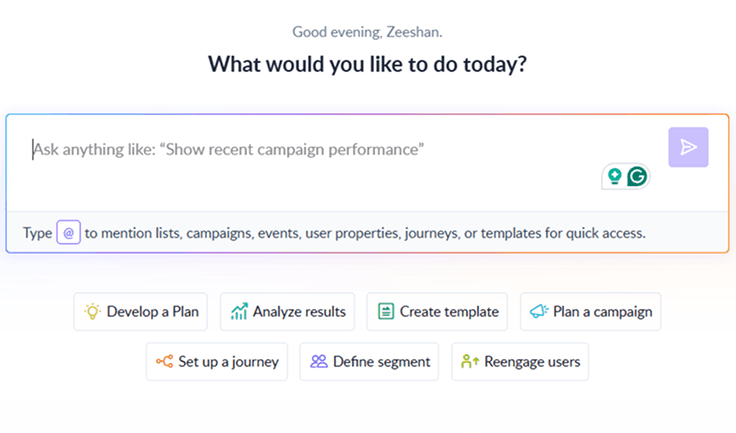
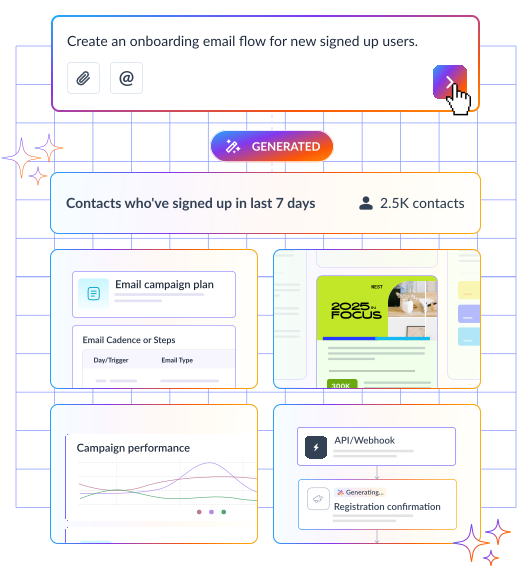
Use AI tools: Consider using tools like Mailmodo’s AI Campaign Planner to design your strategy. Enter your business details and marketing goals and it will automatically generate email content ideas, target audience and sending frequency.

Your AI Assistant for Everything Email Marketing
Conclusion
A strong marketing plan is your team’s compass, it keeps everyone heading toward the same goal and helps you see clearly what’s working. Real-world examples can spark fresh ideas and show you how to turn big-picture vision into real progress.
Let these examples inspire you, but don’t be afraid to make your plan your own. The best marketing plans are flexible, shaped by your goals and audience, and always evolving as you learn what works.