1. Spotify Wrapped: Personalization That Goes Viral

Spotify’s annual Wrapped campaign transforms listening data into a personalized, sharable story. Users post results on social media, creating a global cultural event and massive organic reach for the brand.
Why It Works:
Personalization paired with social sharing creates authentic virality, building community and loyalty simultaneously.
Lessons for Marketers:
Use user data to craft shareable moments.
Focus on storytelling, not just product promotion.
Make sharing easy and visually compelling.

Swiggy tapped into Instagram’s voice notes, asking users to mimic food shapes, turning a mundane feature into a shareable, playful experience. Users eagerly engaged, posting recordings, challenging friends, and creating a community-driven campaign.
Why It Works:
It uses underused platform capabilities, turning them into a vehicle for engagement, virality, and brand recall.
Lessons for Marketers:
Explore native platform features creatively.
Design campaigns with friendly competition to drive participation.
Reward engagement to fuel organic sharing loops.
3. OYO: Hyper-Relevant Geo-Personalized Notifications

Push notifications often get a bad rap, but OYO proved they can be helpful, contextually relevant, and conversion-driving. By sending location-specific, behavior-driven recommendations, OYO nudged users toward bookings with timing and offers that felt personal and useful.
Why It Works:
Notifications become tools for convenience, not annoyance, when relevance meets timing.
Lessons for Marketers:
Use behavioral and location data to personalize messages.
Test timing and frequency for maximum impact.
Ensure notifications solve a user problem or offer clear value.
4. Flipkart: Urgency and Exclusivity in Festive Funnels
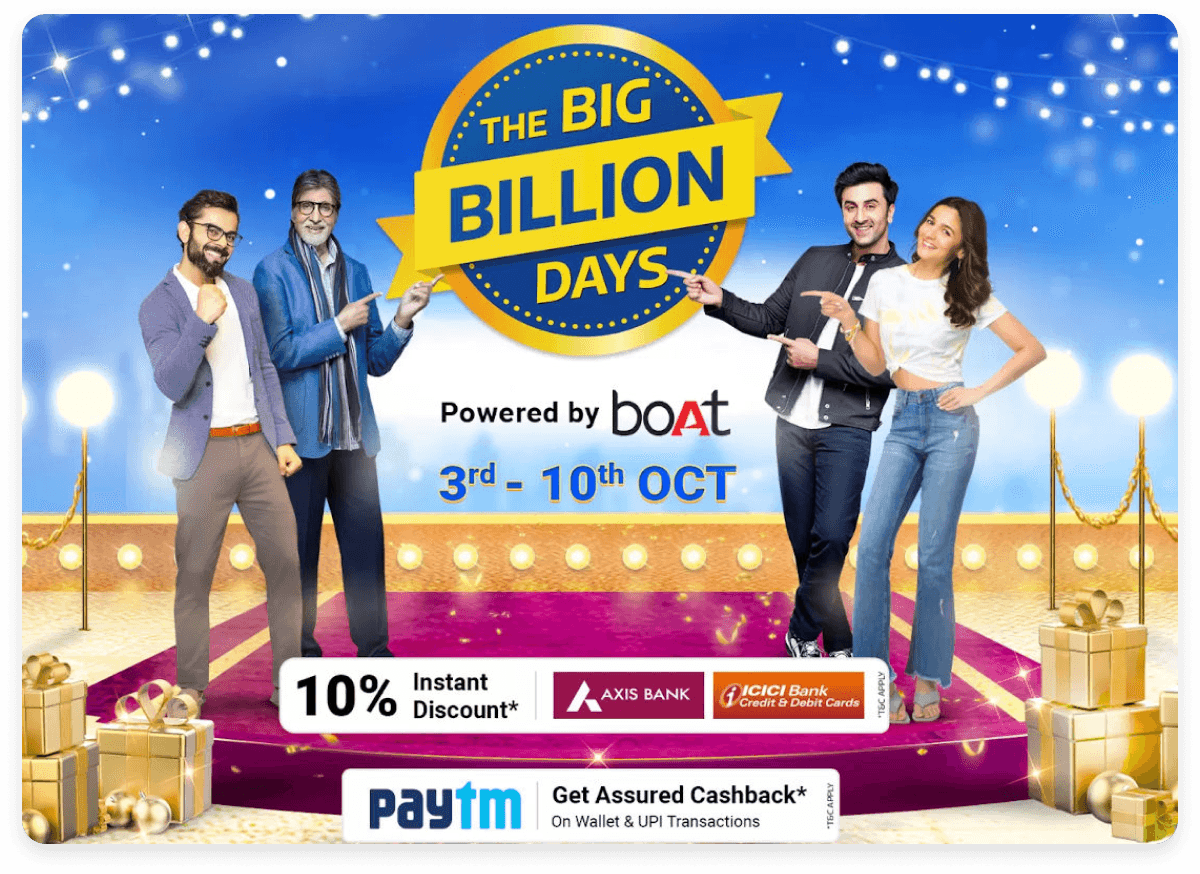
During Diwali, Flipkart’s mobile campaigns leveraged countdowns, app-only deals, and push reminders, creating urgency and exclusivity. The result? Record app engagement, faster conversions, and increased repeat purchases, as users felt compelled to act immediately.
Why It Works:
The combination of urgency, exclusivity, and festive context transforms the mobile app into a must-visit destination rather than a passive tool.
Lessons for Marketers:
Build focused funnels with urgency triggers.
Amplify campaigns across push, SMS, and email for consistency.
Align offers with cultural moments or events for higher relevance.
5. Paytm: Gamified Cashback That Feels Like Play

Paytm elevated cashback programs by adding scratch cards, time-sensitive offers, and partner collaborations, making everyday transactions fun and rewarding. Users returned daily, engaging more frequently with the app and sharing rewards experiences socially.
Why It Works:
Gamification taps into the human desire for instant gratification, making transactions enjoyable and loyalty-building simultaneously.
Lessons for Marketers:
Introduce gamified experiences to habitual behaviors.
Partner strategically to offer wider lifestyle value.
Ensure redemption is frictionless to enhance satisfaction.
6. Dove’s #StopTheBeautyTest: Emotional Storytelling Meets AR

Through the #StopTheBeautyTest campaign, Dove combined emotional storytelling with interactive quizzes and AR filters, allowing users to explore personal beauty narratives and share experiences on Instagram and Facebook. The campaign created a groundswell of authentic conversation, with women actively contributing content rather than passively consuming it.
Why It Works:
The blend of emotion and interactivity transforms users from observers into participants, generating organic, shareable content that amplifies reach naturally.
Lessons for Marketers:
Connect campaigns to real human experiences.
Use AR and interactive quizzes to make engagement tangible.
Encourage user-generated content to extend reach organically.
7. Burger King: “Burn That Ad” AR Experience
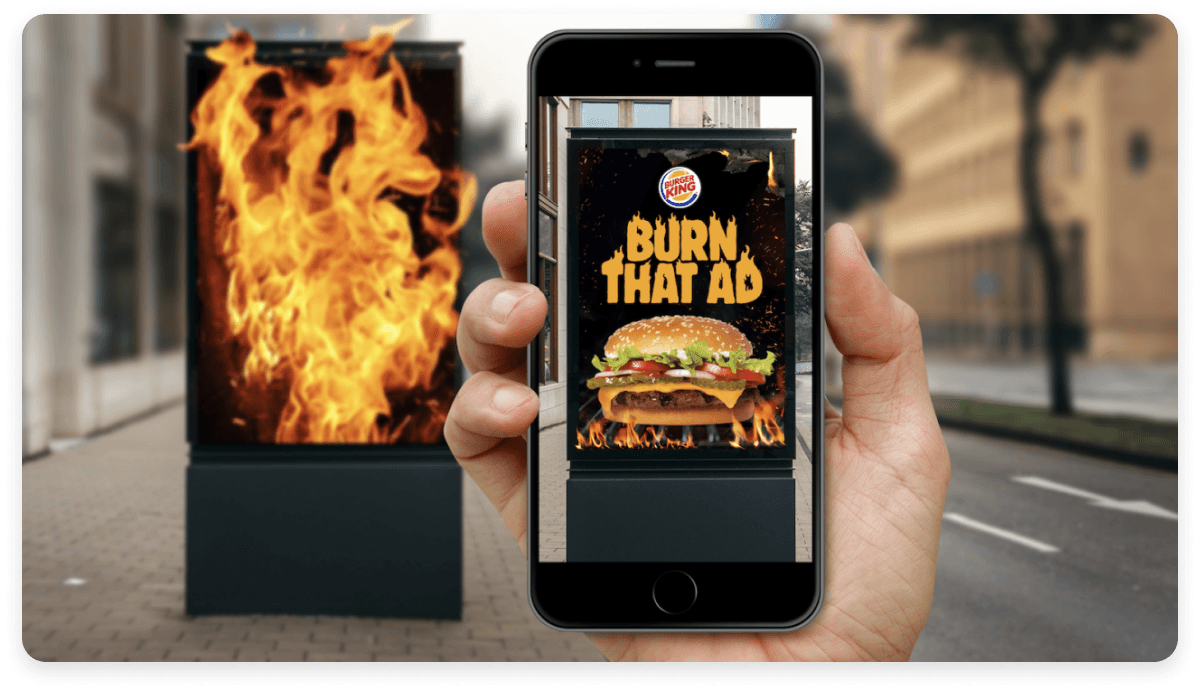
Burger King gamified engagement with AR, letting users virtually “burn” competitor ads to win prizes. The interactive experience drove high engagement and brand buzz, turning advertising into entertainment.
Why It Works:
AR + playful brand personality = memorable, shareable interaction.
Lessons for Marketers:
Use immersive tech to create experiences that stick.
Infuse campaigns with humor and brand character.
Reward engagement to amplify participation.
8. IKEA Place: AR That Solves Real Problems

IKEA’s AR app lets users visualize furniture in their homes, addressing the major friction point of online shopping uncertainty. This increased confidence led to higher purchase rates and app interaction time.
Why It Works:
Technology that removes friction enhances trust and drives decisions.
Lessons for Marketers:
Solve real pain points with interactive tools.
Combine utility and engagement to strengthen loyalty.
Keep experiences simple and mobile-friendly.
9. Netflix: Behavioral Push Notifications That Retain

Netflix’s push notifications alert users to new episodes, personalized recommendations, and dormant account nudges, driving engagement and retention. Notifications are richly personalized, often including images, GIFs, and show-specific messaging.
Why It Works:
Hyper-personalization keeps users hooked and coming back, boosting retention and session frequency.
Lessons for Marketers:
Personalize every message to user behavior.
Use rich media to increase click-through and retention.
Balance frequency to re-engage without annoying.
10. Adidas: Rent-a-Pred via WhatsApp

Adidas created an intimate one-on-one engagement with amateur teams through WhatsApp, offering professional player guidance and personalized coaching moments. Users felt directly connected to the brand, creating shareable, authentic experiences.
Why It Works:
Messaging platforms provide a human, conversational layer that traditional channels can’t replicate.
Lessons for Marketers:
Use direct messaging apps for personal engagement.
Align campaigns with user aspirations and emotions.
Build authentic, human interactions that are shareable.
Key Ingredients for Mobile Marketing Success
Personalization is non-negotiable: Customize messages to behavior, preferences, and context.
Interactivity keeps users hooked: AR, gamification, and user-generated content boost engagement.
Timing and relevance are critical: Geo-targeting, festive triggers, and real-time creativity increase effectiveness.
Platform mastery matters: Know each platform’s unique features and exploit them.
Emotional resonance wins loyalty: Humor, aspiration, identity, and empathy drive deeper engagement.
Data + AI = smarter campaigns: Automated segmentation and predictive analytics enhance precision.
Conclusion
Mobile marketing in 2025 is about meaningful and purposeful engagement. The campaigns above, from Dove’s emotionally charged storytelling to Spotify’s global personalization and IKEA’s friction-busting AR, show that the best strategies enrich user experiences, drive behavior, and encourage loyalty.
Every marketer should ask: is your campaign adding value, sparking emotion, and capturing attention in the palm of your audience’s hand? The next mobile marketing breakthrough isn’t about budgets, it’s about ideas executed with creativity, timing, and precision.