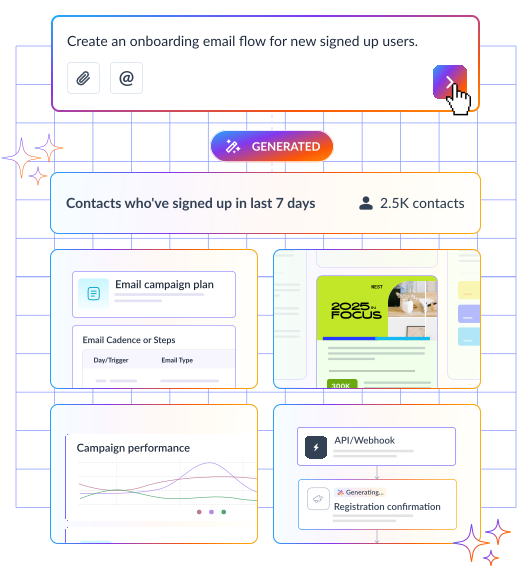
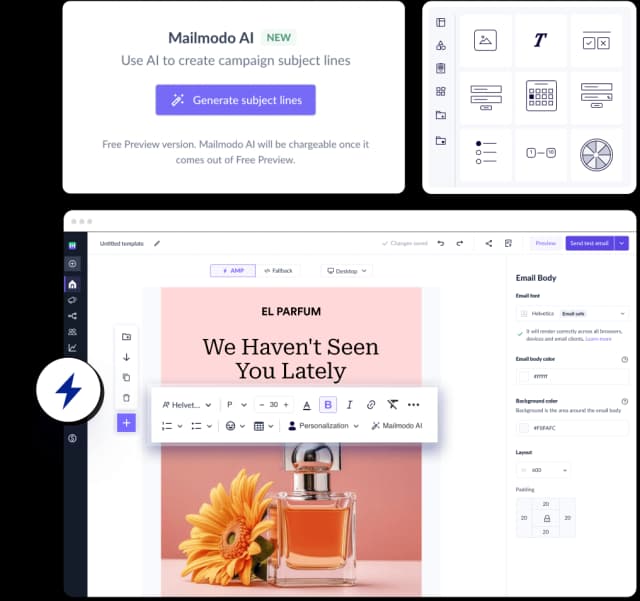
1. PayPal's split bill email campaign
PayPal used outbound email marketing to reach users who share a pain point, splitting restaurant bills. The emails were basic, visually simple, and spelt out how users could make payments easier in three simple steps.
Why it Works:
Solves a real-life situation that is relatable to users.
Presents a definite solution in a nutshell.
Increases engagement by encouraging action during peak-use times.
This campaign demonstrates that outbound marketing performs best when it is problem-centered and beneficial, not solely promotional.
2. Semrush's keyword planner PPC ads

Semrush promotes its Google Keyword Planner blog using outbound PPC campaigns, ensuring timely exposure to marketers actively seeking SEO insights. By targeting relevant search queries and audiences across Google Ads and social media, and establishing authority in the SEO space.
Why it Works:
Outbound PPC places valuable content in front of users actively looking for solutions.
Offers actionable resources ahead of time, establishing trust and credibility.
Commands high-quality traffic with a higher likelihood of converting.
The integration of outbound PPC with high-value inbound content allows marketers to capture attention and nurture leads simultaneously.
3. Ahrefs podcast ads
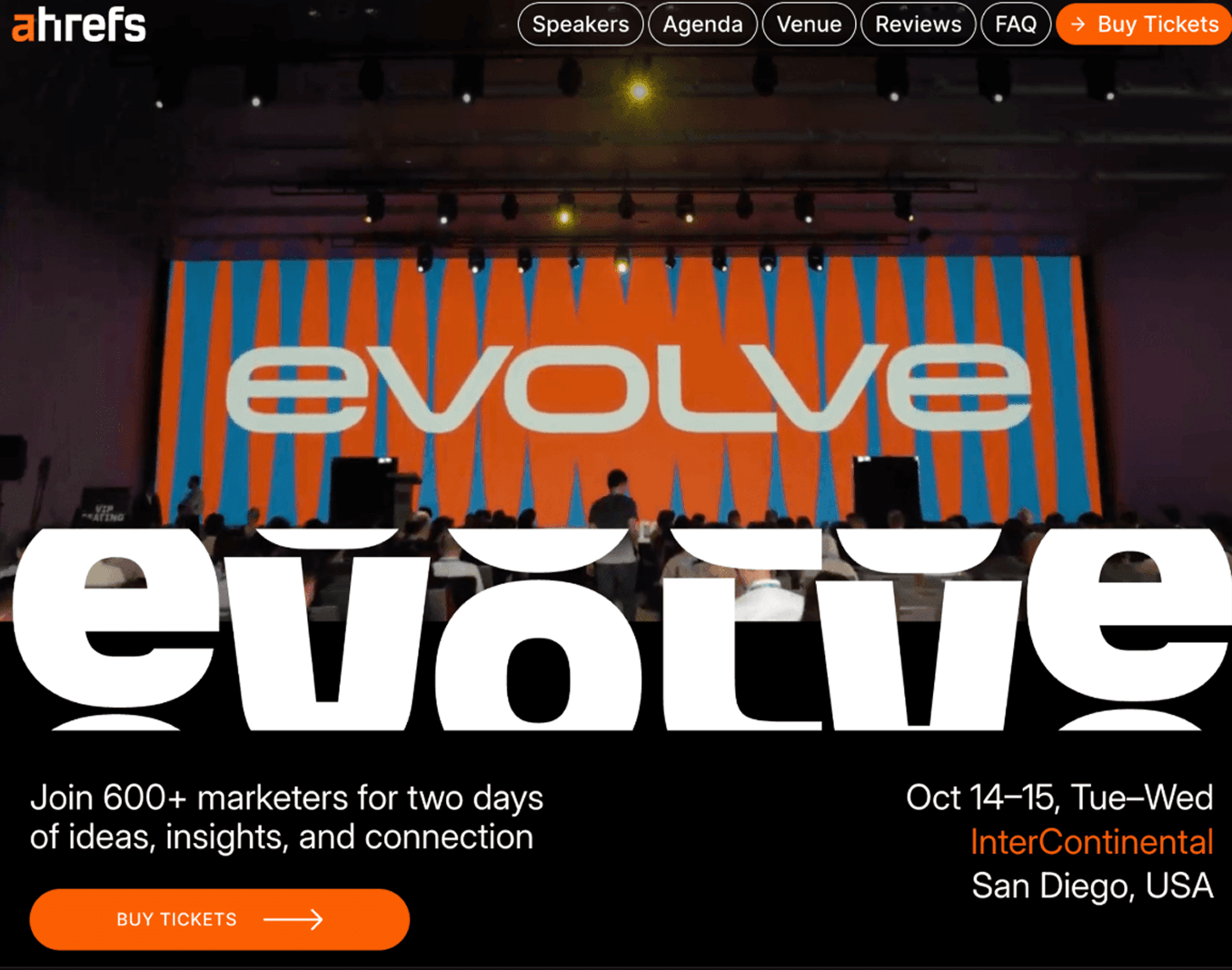
Ahrefs invests in outbound podcast sponsorships to reach SEO professionals and digital marketers where they’re already engaged in trusted, niche content. By delivering concise, value-driven messaging within relevant podcasts, Ahrefs captures listeners’ attention and directs them to sign up for its tools.
Why it Works:
Outbound marketing via trusted voices builds credibility.
Podcast audiences are highly engaged, leading to improved conversions.
Amplifies inbound efforts, since listeners often explore the tools and content discussed.
Podcasts demonstrate that outbound channels can be both informative and relationship-building.
4. Nike’s YouTube PPC videos
Nike uses outbound PPC video ads on YouTube to share emotional, story-driven content tied to its products and athletic values. These videos spotlight real athletes, personal triumphs, and powerful cultural narratives, turning ads into inspiring moments that resonate far beyond the purchase decision.
Why it Works:
Storytelling engages users and triggers inbound interest.
Targeted demographics increase relevance and connection.
Strong calls-to-action provoke clicks, visits, and purchases.
Shows that outbound marketing can be inspiring, aspirational, and build long-term brand loyalty.
5. Spotify’s year-end personalised ads
Spotify's outbound PPC efforts featured personalised "Wrapped" overviews featuring user-specific listening activity. Ads were promoted across social media, email, and PPC campaigns.
Why it Works:
Personalised messaging creates an emotional connection.
Drives inbound sharing as users share their Wrapped stats online.
Effectively re-engages dormant users, bringing them back to the platform.
Demonstrates that personalisation makes outbound marketing relevant, timely, and valuable.
HubSpot boosts the reach of its inbound content by using outbound PPC campaigns to promote high-value guides, templates, and blog posts. HubSpot positions its educational resources as the immediate answer, driving traffic into its lead-nurture ecosystem and accelerating the path to demo requests or product sign-ups.
Why it Works:
Amplifies inbound content to reach users actively searching for solutions.
Boosts qualified traffic without waiting for organic discovery.
Offers instant value, building trust, and increasing lead conversion.
Demonstrates synergy between social media, PPC, and outbound event marketing.
7. Salesforce’s direct mail with digital sync
Salesforce combines tangible direct mail pieces with synchronised outbound digital campaigns to reach key decision-makers. By sending personalised physical mailers and following up with targeted emails, LinkedIn ads, and other digital touchpoints,
Why it Works:
Multi-channel outbound marketing boosts recall and visibility.
Personalisation enhances response rates and engagement.
Supports inbound content strategies for lead nurturing.
Shows that offline and online outbound initiatives can work together in a seamless B2B marketing strategy.
8. Adobe's LinkedIn PPC for B2B leads
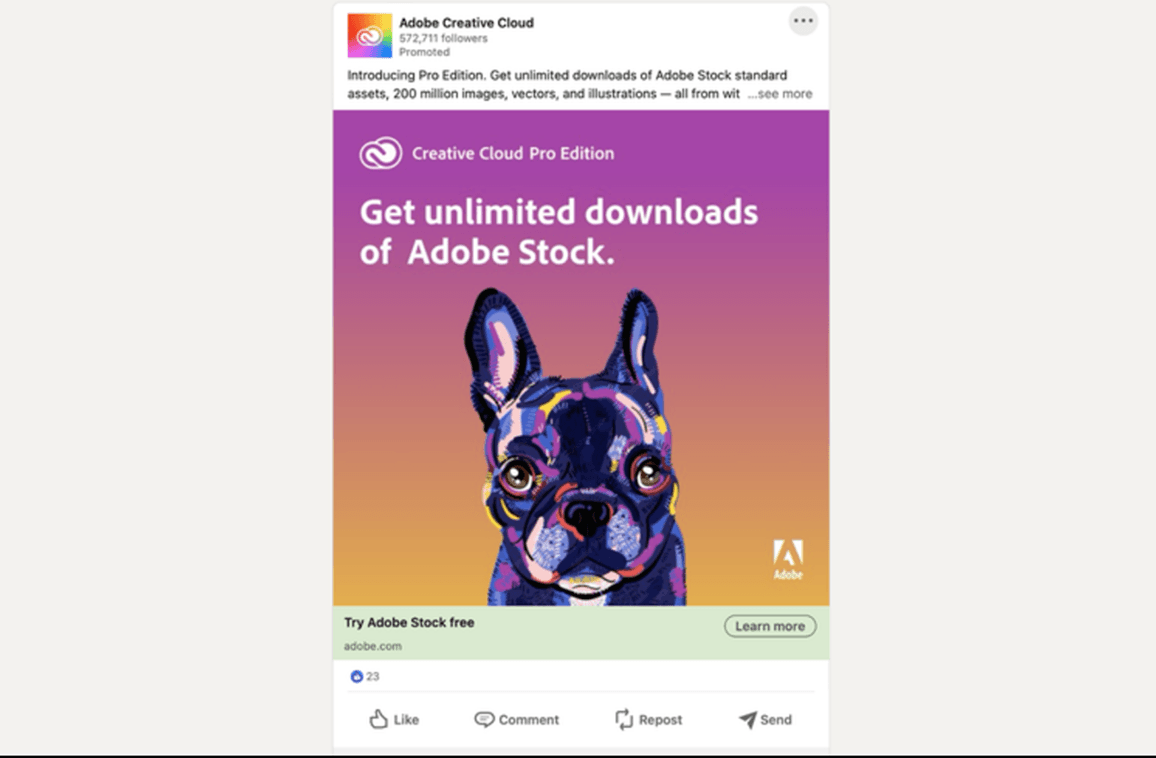 Source: Adobe
Adobe runs highly targeted outbound PPC campaigns on LinkedIn, aiming specifically at creative professionals and decision-makers. By promoting trial offers and product demos directly to this niche audience, Adobe ensures that its messaging reaches prospects most likely to convert.
Why it Works:
Account-based targeting guarantees high relevance, ensuring ads reach the decision-makers who matter most.
Outbound PPC generates inbound leads effectively by combining targeted outreach with valuable content.
Enhances funnel conversions by moving prospects from awareness to trial sign-ups or demos quickly.
LinkedIn PPC campaigns demonstrate that B2B outbound can be as precise, measurable, and ROI-driven as B2C campaigns.
9. Ford's interactive YouTube ads
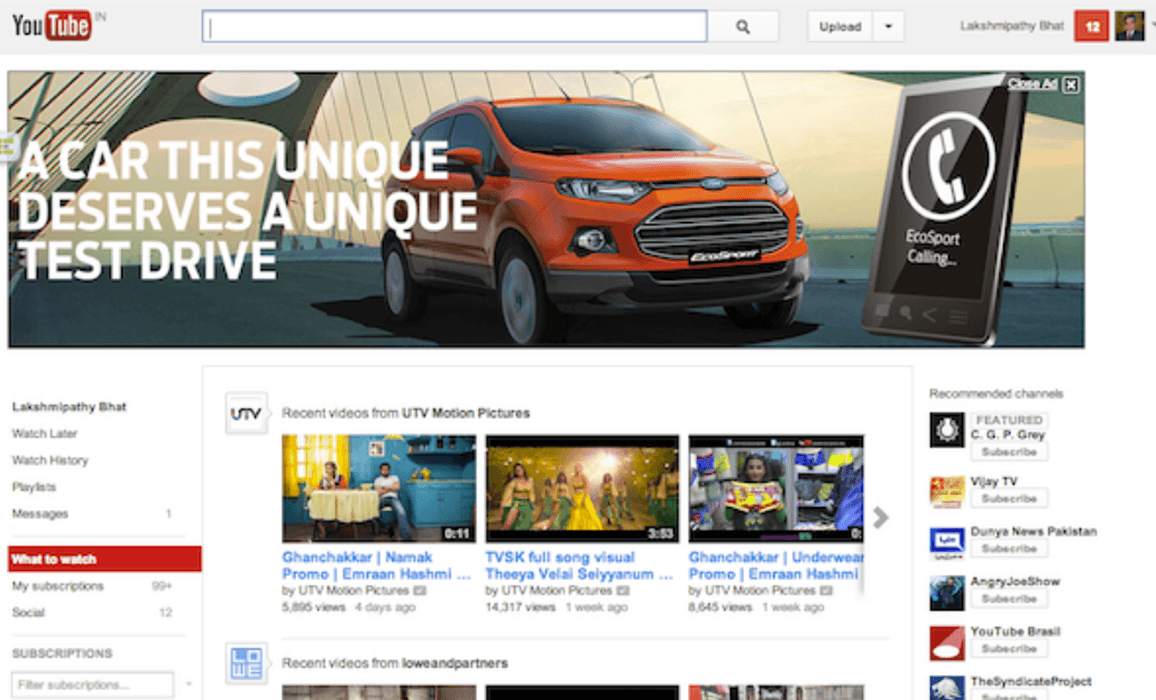
Ford’s outbound PPC YouTube campaigns go beyond traditional video ads by incorporating clickable interactive components directly within the video. These interactive elements guide viewers toward specific actions, like scheduling a test drive or downloading brochures, all without leaving the platform.
Why it Works:
Interactive components make outbound content participative, encouraging viewers to actively engage rather than passively watch.
Direct movement from ad to conversion reduces friction, making it easy for interested prospects to take immediate action.
Accompanies inbound education with educational content, such as feature walkthroughs and safety demonstrations, providing value before conversion.
10. Slack’s targeted LinkedIn ads
Slack uses outbound PPC on LinkedIn to reach decision-makers in tech and corporate sectors. Ads highlight productivity tips, success stories, and detailed case studies, encouraging trial sign-ups and deeper engagement with their platform.
Why It Works:
Directly reaches business professionals with high purchase intent.
Combines outbound messaging with inbound content (case studies, blogs) to educate and engage prospects.
Increases qualified leads efficiently by targeting decision-makers who are most likely to convert.
Builds trust and credibility through informative content that demonstrates real-world results.
Conclusion
Outbound marketing is still one of the most effective ways for brands to proactively reach and engage their target audience. Whether through PPC campaigns, cold calls, direct mail, events, etc., all outbound tactics build qualified leads and drive conversions much faster than passive methods alone.
Outbound marketing that is done well creates deeply meaningful connections through timelines, personalisation, and relevance - the brand offers value to the customer before they even ask.