1.Netflix's hyper-personalized content recommendations
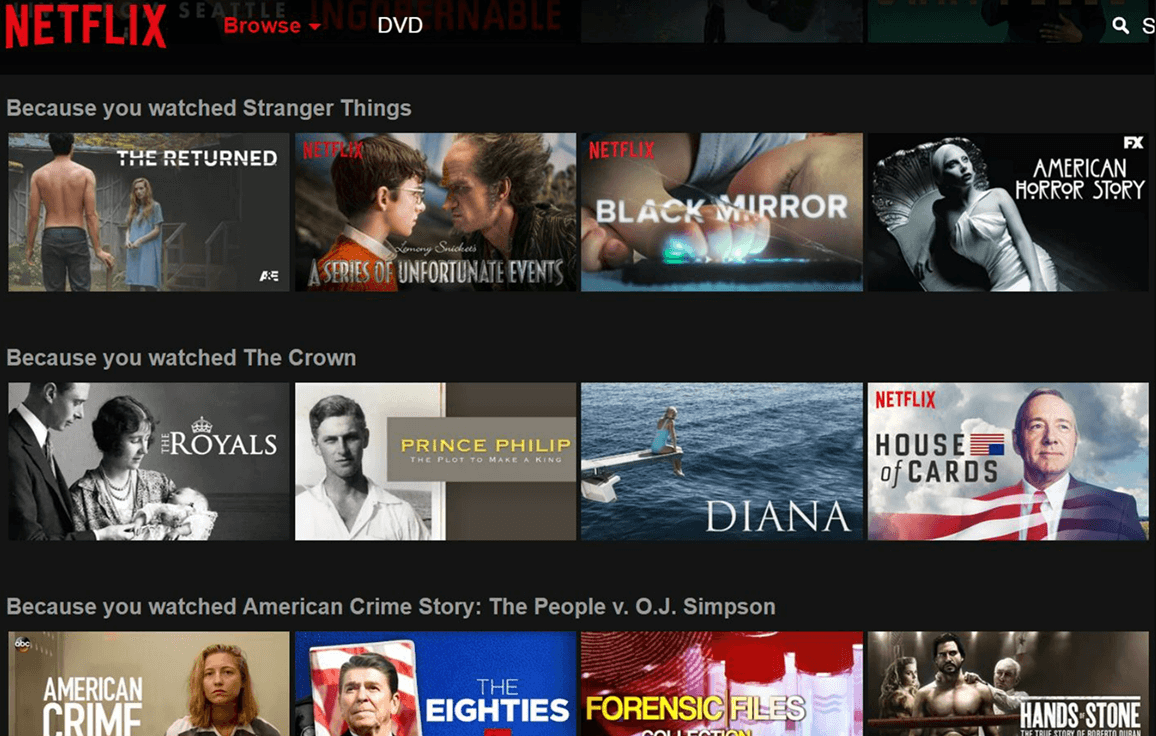
Netflix is a prime example of effective personalized marketing in the entertainment industry. The streaming giant uses advanced algorithms that analyze each user’s viewing history, ratings, and browsing behaviour to create a unique experience. Instead of relying on broad genre categories, Netflix curates tailored lists like “Top Picks for You” and “Because You Watched X,” offering recommendations that reflect each viewer’s individual tastes and preferences.
Impact:
Delivers user-specific content lists derived from exhaustive viewing and engagement data
Netflix generates a personalized score that helps viewers easily determine their level of interest.
Helps to raise subscription value over time by enabling smoother and more pleasing content discovery
2. Amazon's intelligent product recommendation engine
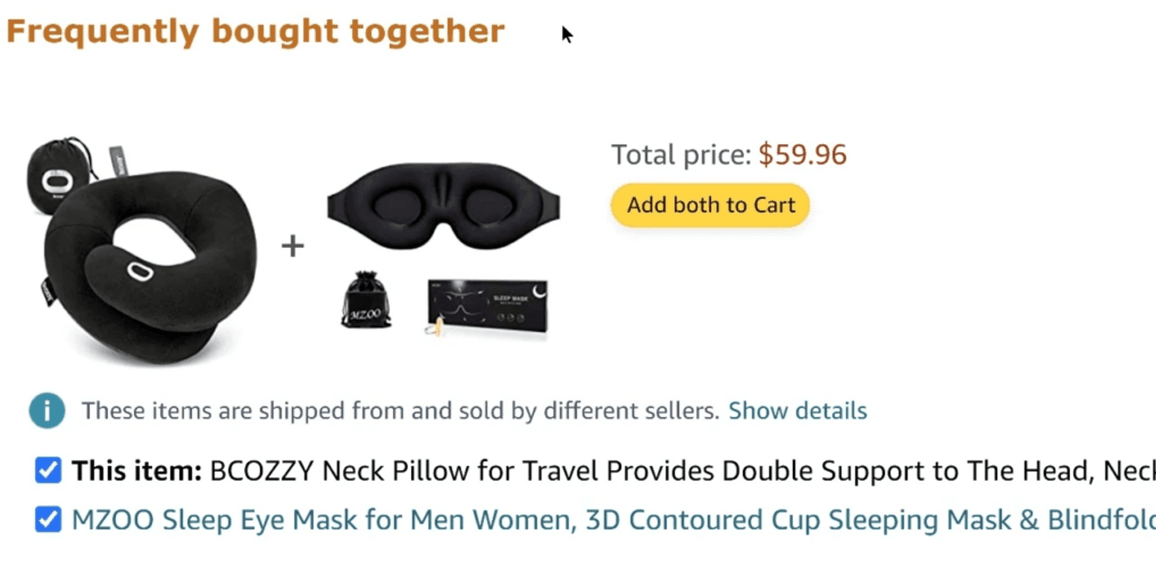
Amazon’s "Frequently Bought Together" feature and personalized homepage suggestions are the main drivers of seamless cross-selling that can be done easily and quickly based on the most recent shopping behaviour and the historical purchase data of similar customer segments.
Impact:
Upon browsing or cart activities, it triggers real-time tailored suggestions for the interested buyers.
The company implements complex algorithms that examine millions of customer purchase patterns and product relations to serve these purposes.
By suggesting complementary products at the right moments in the buying journey, the average order value is dramatically increased.
3. Spotify's “Discover Weekly” personalized playlists
Spotify’s "Discover Weekly" feature. Every Monday, customers receive a handpicked playlist of 30 tunes that are totally new to them, and these tracks are chosen by the recommendation engine that takes into consideration the user's listening habits.
Impact:
The service exposes existing users to future artists and styles while keeping them firmly rooted in their current musical preferences.
Forges powerful emotional bonds with subscribers who feel that Spotify "gets" their musical taste
Ensures regular weekly usage and lowers subscription churn by delivering personal value
4. Starbucks mobile app personalized offers
Starbucks’s the coffee giant, sends highly targeted mobile push notification ads that promote short-term offers based on factors such as customer purchase history, preferred items, and location data. The objective of these personalized messages is to attract people to visit during the usually quiet visiting hours and offer products that customers really want at a discount.
Impact:
Uses geolocation information to ensure that offers are legitimate and helpful to the customer in terms of the nearest store locations
Schedules notifications based on the behavior of the individual customer and the best time for engagement to create maximum impact
Starbucks increases the frequency of customer visits and their average transaction value, and at the same time.
5. Shein's customer segmentation
Shein employs personalized marketing through the use of advanced customer segmentation. By analyzing the shopping history and style preferences of the closest customer segments, the "Customers Also Viewed" feature presents product recommendations that effectively create personalized browsing experiences.
Impact:
Divides customers into extremely small groups based on detailed shopping behavior and fashion preferences
Brings out the most suitable items that match the individual's style and past purchase patterns
Even if the first products are not what the customers were expecting, they are still kept engaged by offering alternative ones.
6. Domino's personalized mobile push notifications
Domino's Pizza’s personalized marketing is effective through the use of mobile push notifications that are strategically timed. These messages inform customers about the deals on the items that they frequently order and are delivered at times that are most convenient for customers to place an order based on historical ordering patterns.
Impact:
Studies deeply individual customer ordering habits across all channels to figure out what the favoured items are and the best timing for them.
Makes offers more attractive by using real purchase history for personalization rather than sending generic promotions to all customers
Forms a well-orchestrated in-app journey with personalized offers that lead high-intent buyers straight to checkout
7. Google Play Books price drop alerts
Google Play Books decides to send out notifications to customers automatically after an item from their wishlist has been discounted. This method of doing business mainly communicates with those customers who have already made up their mind but are still waiting for the right price to come along.
Impact:
Directs the most personalized offers towards products that customers have explicitly indicated they are interested in buying
Helps customers get more pleasure out of a platform when it shows them it keeps an eye on their preferences and is delivering value
Conversion rates go up by targeting price-conscious customers with deeply personalized discounts on the things they desire
8. Walmart's dynamic omnichannel experiences
Walmart, the retail giant, sends promotional flyers that are relevant from a geographical perspective to customers through a mobile push notification, thus allowing the customers to get the offers that are valid at their nearest store locations.

Impact:
Gets geolocation information with customer segmentation, so that it becomes possible to present locally relevant promotions and deals
Makes use of very precise timing for issuing highly targeted push notifications just when promotions are at their peak and actionable
They can both optimize store traffic and increase conversion.
9. Cadbury's personalized video campaign
Cadbury developed a ground-breaking personalized marketing campaign through the use of tailor-made videos that fetched the data and photos from customers' Facebook profiles. Using this highly personalized method, the company matched users with a specially selected chocolate flavor based on their social media data and preferences.
Impact:
Created a single video per customer using private data to produce unique experiences for watching
Gained an astounding 65% click-through rate as a result of each customer feeling specially picked and understood
One-third of the viewers were converted through the forging of emotional bonds via personalized content.
10. Uber Eats location-based restaurant recommendations
Uber Eats mobile push notifications that suggest restaurants with active deals based on the customer's location and cuisine preferences. The timing of these personalized recommendations corresponds to when individual customers are usually placing their orders.
Impact:
Makes suggestions for restaurants based on where the person is, what the person likes to eat, and if there are any current promotions
The time for sending personalized notifications is decided based on the individual ordering patterns derived from historical data.
Make sure all the suggested restaurants are actually able to deliver to the customer's location by filtering the recommendations.
Conclusion
These personalized marketing examples show the impact of treating customers as individuals. From Netflix’s recommendations to Starbucks’ location-based offers, top brands prove that personalization built on data, timing, and relevant messaging drives engagement, conversions, and loyalty.
As consumer expectations grow, personalized marketing is no longer optional—it’s essential. Brands using analytics, segmentation, and automation stand out and build lasting relationships. Across industries, these personalized marketing examples show how tailored experiences create real business growth and stronger customer connections.