1. Tenant Planet
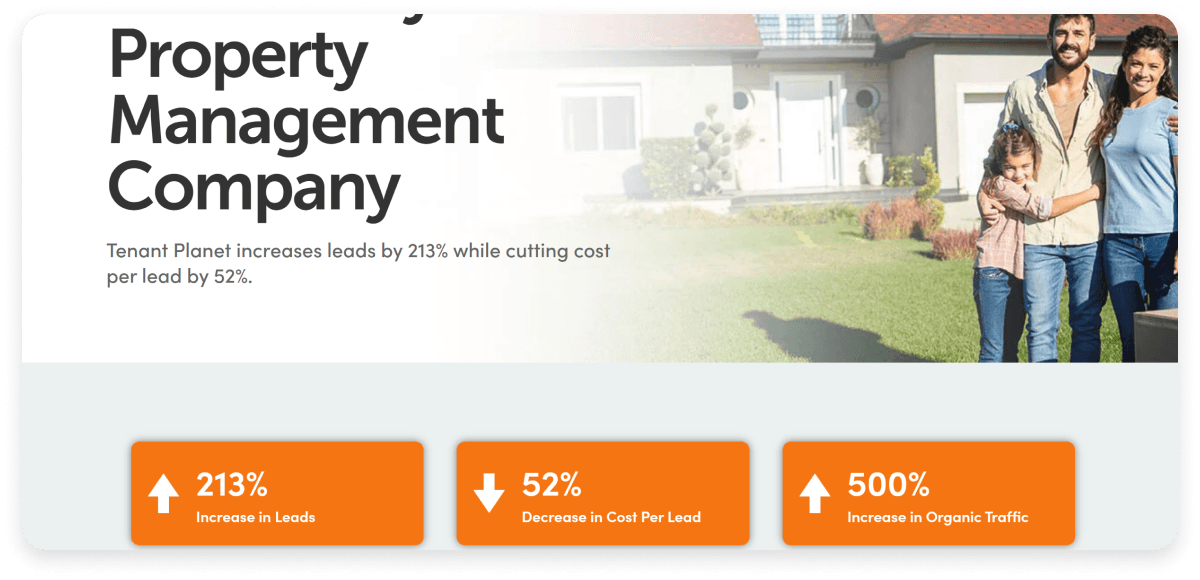 Tenant Planet, a property management company in California, was able to transform its online lead generation through an extensive revamp of its Google and Bing Ads campaigns. Tenant Planet was experiencing increased competition, as well as high cost per lead, and shifted strategy to target high-intent long-tail keywords and to enhance their mobile-first landing pages.
Why it works: Smart mix of SEM and content brought in high-intent clicks, not just traffic.
Impact: Leads up 213%, CPL down 50%, conversions up 300%, and organic traffic 5× higher.
Marketer’s lesson: Sync paid and content. Together, they scale faster.
2. Max Life Insurance

Max Life Insurance in India was able to test Microsoft’s Multimedia Ads to reinvent its SEM strategy. Multimedia Ads were visually striking ads that included images and text, creating an engaging ad experience in Bing search results. The ultimate goal for Max Life was to improve the volume and quality of leads with this ad format.
Why it works: Visual-rich Multimedia Ads made Max Life’s SEM campaigns stand out, blending relevance with emotion to capture attention fast.
Impact: Conversions doubled, and lead quality improved, proving that creative formats drive measurable ROI.
Marketer’s lesson: Pair visuals with intent. Eye-catching ads that align with brand voice turn curiosity into conversion.
3. Beymen
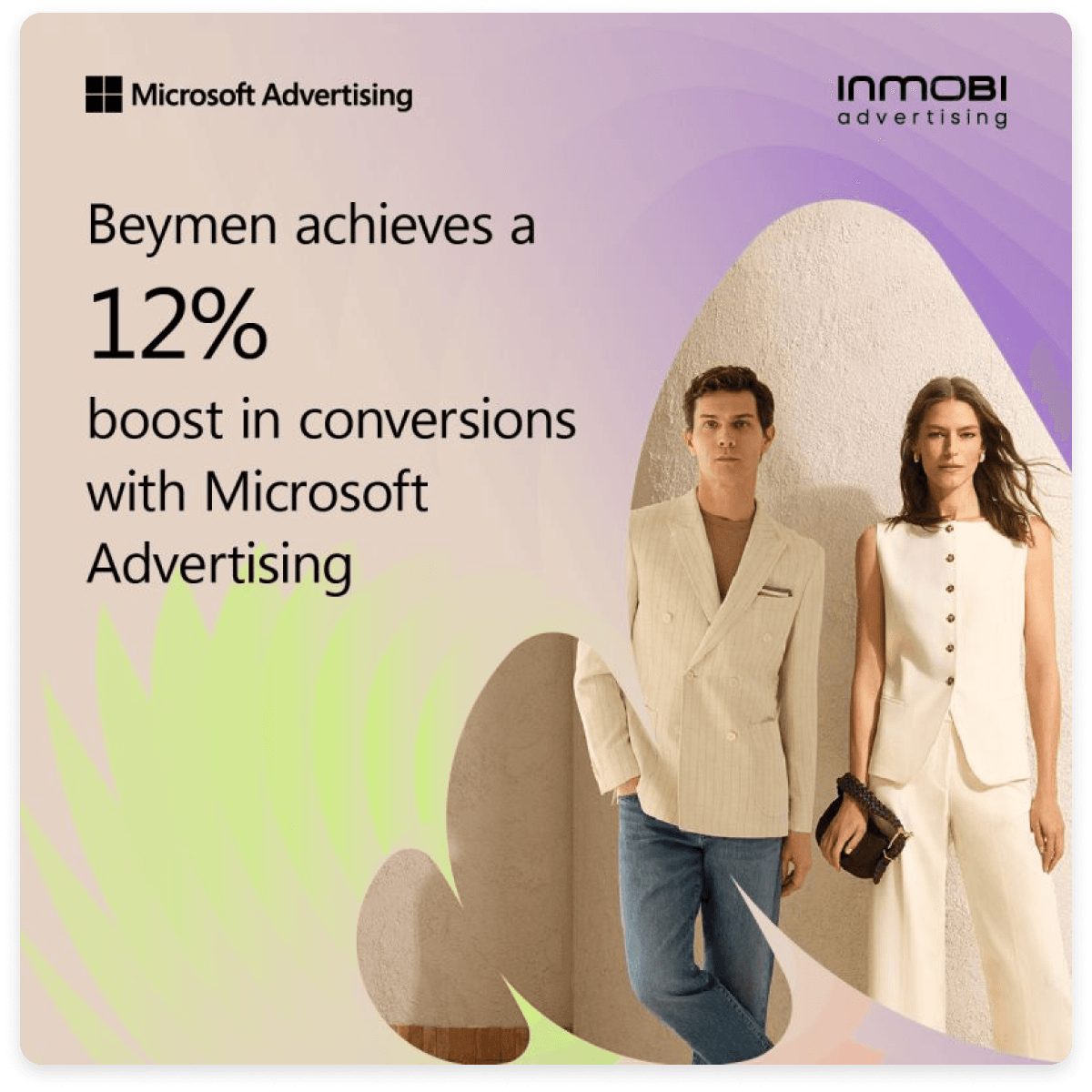
Turkish luxury retailer Beymen utilized Microsoft's Audience Ads to connect to premium consumers outside of traditional search targeting. By framing audience targeting alongside traditional search ads across platforms like MSN, Edge, and Outlook, they expanded the awareness of their brand to premium content explorers.
Why it works: Beymen used Audience Ads to reach premium users beyond search, meeting luxury shoppers where they already explore high-end content.
Impact: Brand awareness grew, funnel efficiency improved, and incremental growth followed in a crowded luxury space.
Marketer’s lesson: Use audience intelligence and context together. Relevance outside search can build prestige and performance.
4. DeepGen
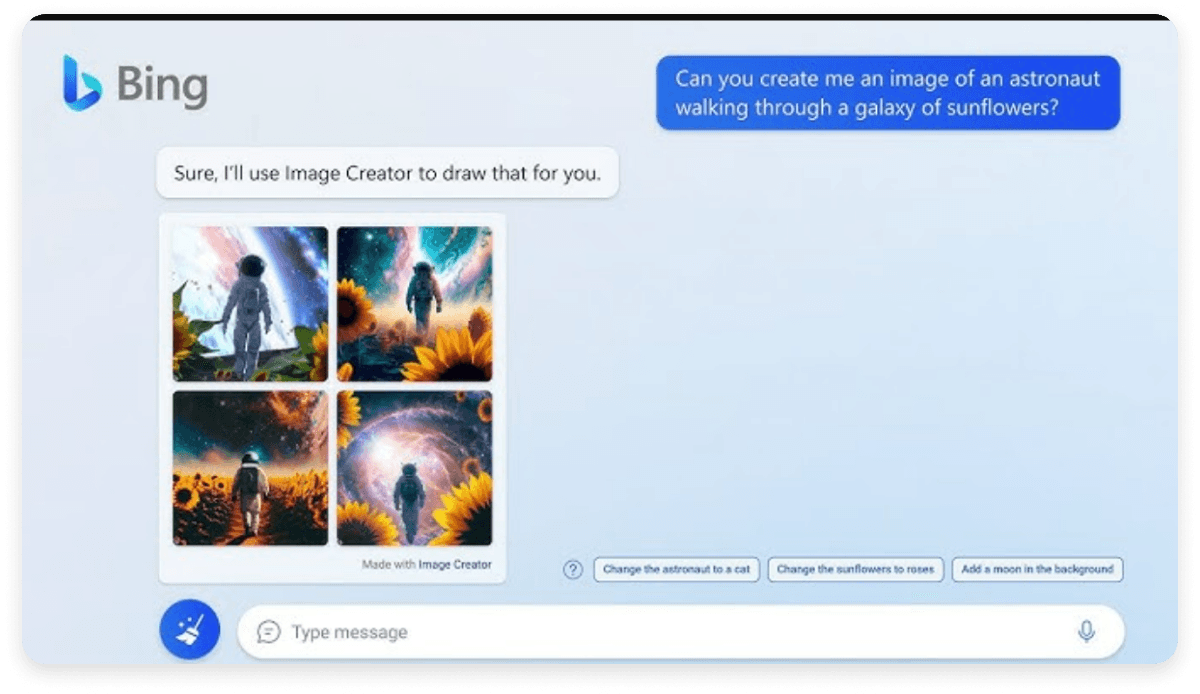
DeepGen, Bing's in-house AI tool, advanced ad creation by dynamically generating ad content from advertisers' webpages. Instead of writing a static ad, the marketer allowed DeepGen to generate custom snippets responding to user queries in real time.
Why it works: DeepGen used AI to craft ads in real time, matching user intent with the most relevant product details with no manual writing needed.
Impact: Powered 4% of Bing’s global ad traffic, boosting scalability and maintaining strong performance through automation.
Marketer’s lesson: Let AI handle the heavy lifting. Smart automation keeps SEM agile and audience-focused at scale.
5. Cancer Screening via Search Ads
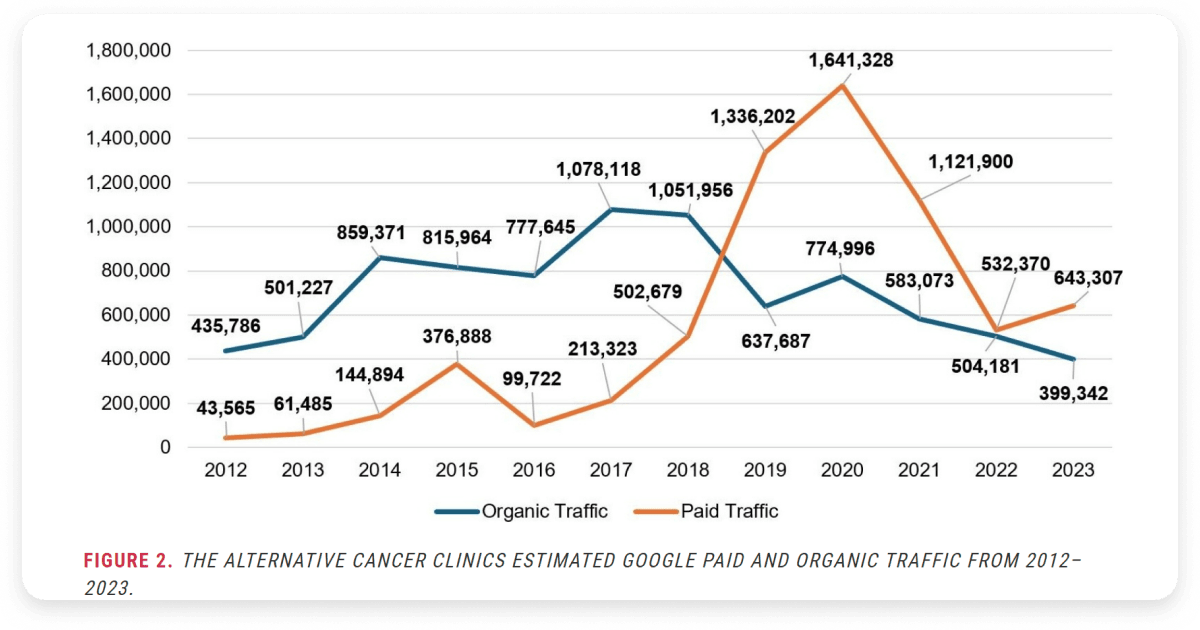
In a significant non-commercial advancement of SEM, researchers leveraged Bing and Google Ads to find potential cancer patients. Ads were triggered as users searched for symptoms related to several types of cancer, and those users were led to fill out risk-assessment questionnaires.
Why it works: Paid search was used with the purpose of reaching people seeking help, not products. Precision targeting turned intent into impact.
Impact: Over 6,000 sign-ups, with 11% identified as high-risk, showing how SEM can drive life-saving action.
Marketer’s lesson: Search isn’t just for sales. When used ethically, it can connect people to critical solutions that matter most.
6. Bing’s Genie
Genie, Bing's counterfactual simulator, was utilized so managers could optimize ad campaigns without launching an expensive, risky A/B test. Genie simulated what would happen if a policy or bid were changed and predicted click-throughs, revenue, and user experience based on those changes.
Why it works: Genie simulated ad outcomes without real-world risk, letting marketers test strategies safely and refine campaigns with confidence.
Impact: Over 200 optimization jobs run weekly, improving SEM performance through smarter, data-backed decisions.
Marketer’s lesson: Experiment often but safely. Simulation tools turn costly trial and error into efficient learning.
7. Invisalign
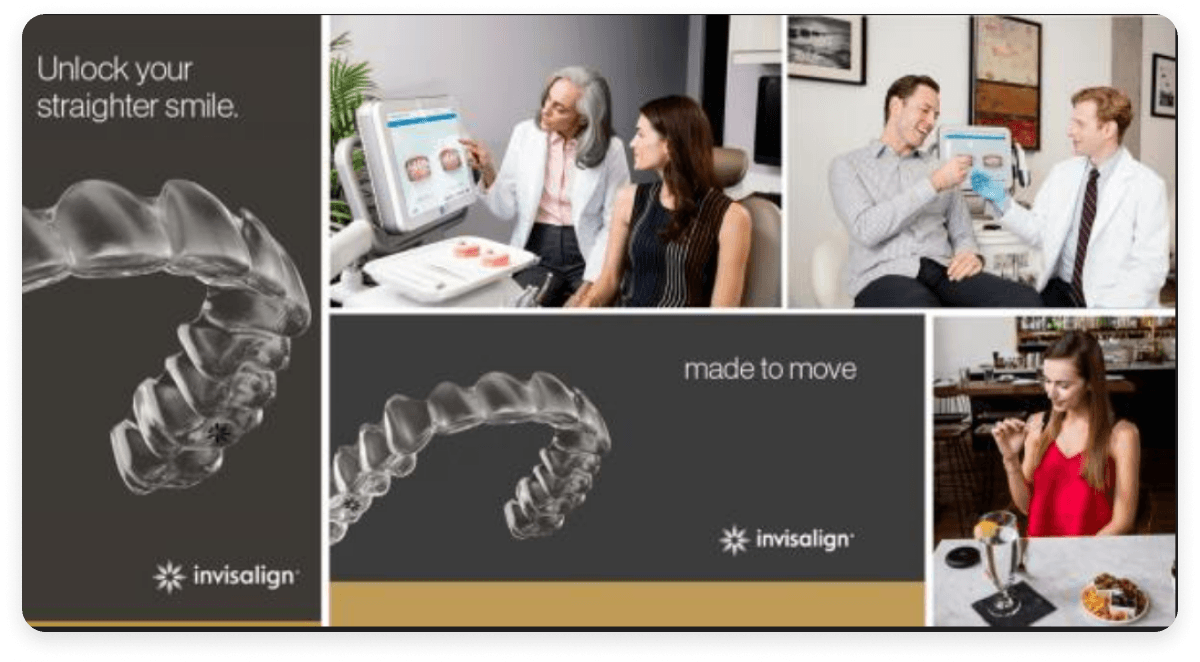
IInvisalign aimed its "Made to Move" campaign at young adults with lifestyle messaging that was focused mainly on engagement beyond just dental correction. The PPC ads focused on freedom, movement, and subtle self-improvement, all in a clean, modern style. The calls-to-action using phrases like "Get a Free Smile Assessment" helped drive strong engagement.
Why it works: Invisalign sells confidence, not just correction. Lifestyle-focused PPC messaging made the brand feel aspirational and relatable.
Impact: Conversions climbed, and consultations increased by 32%, driven by clear CTAs and emotional appeal.
Marketer’s lesson: Sell the feeling, not the feature. When value meets aspiration, clicks turn into commitment.
8. Grammarly

Grammarly achieved remarkable success with its PPC campaigns by embracing the power of simplicity. Ads like “Write Better. It’s Free” communicated a clear and compelling value proposition in just five words, making it immediately understandable and attractive to potential users.
Why it works: Grammarly’s simple message“Write Better. It’s Free.” cuts through noise with clarity and instant value. No fluff, just purpose.
Impact: High CTRs and strong engagement from students and professionals who valued ease and immediacy.
Marketer’s lesson: Keep it clear. In PPC, simplicity sells faster than sophistication.
9. The Whole Truth Foods
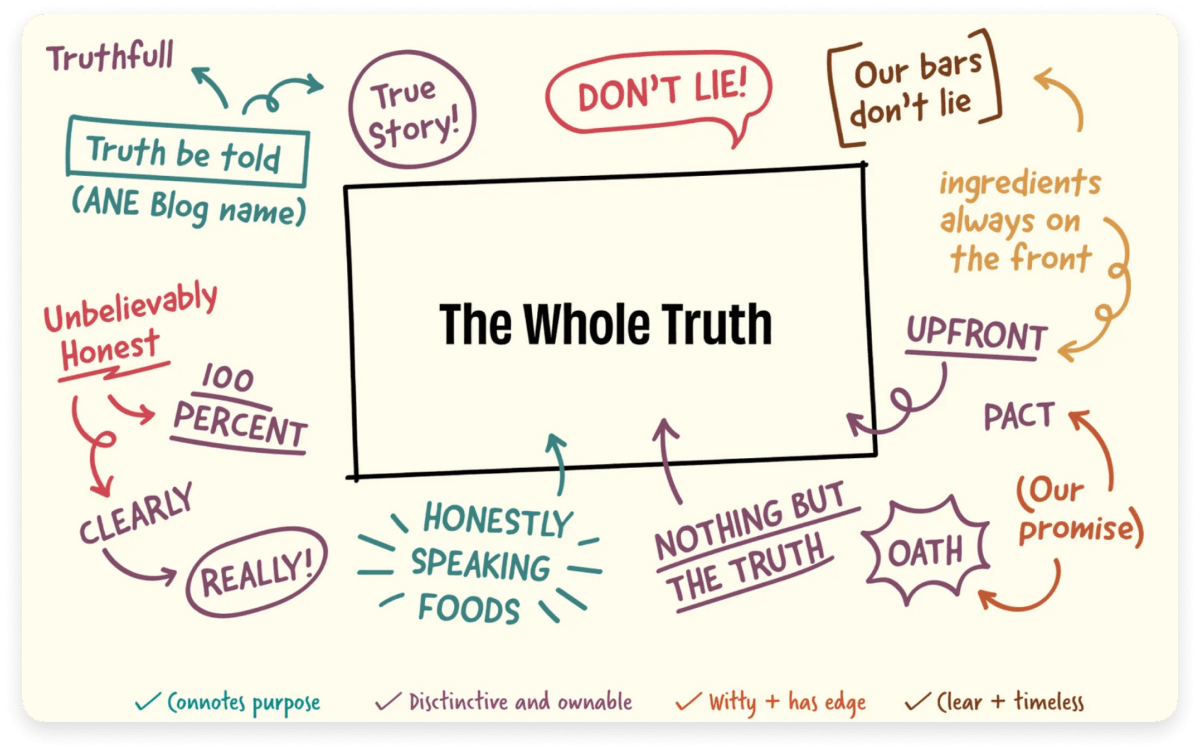
A health food brand conducted a PPC campaign that featured authentic testimonials from their customers in video format, embracing user-generated content (UGC) and leveraging AI TikTok ads to create an authentic connection and relatability for their audience.. Rather than a standard of well-written marketing copy, the users' stories showcased sincerity that piqued the audience's interest, engaged the viewer for a longer period of time, and contributed to an elongated time-on-site.
Why it works: Real customer stories built trust faster than polished scripts. Authentic UGC made the brand feel human and relatable.
Impact: Clicks rose by 35%, engagement deepened, and conversions improved as viewers connected with genuine experiences.
Marketer’s lesson: Let your customers speak. Authenticity drives attention, trust, and performance better than perfection.
10. Shopify India
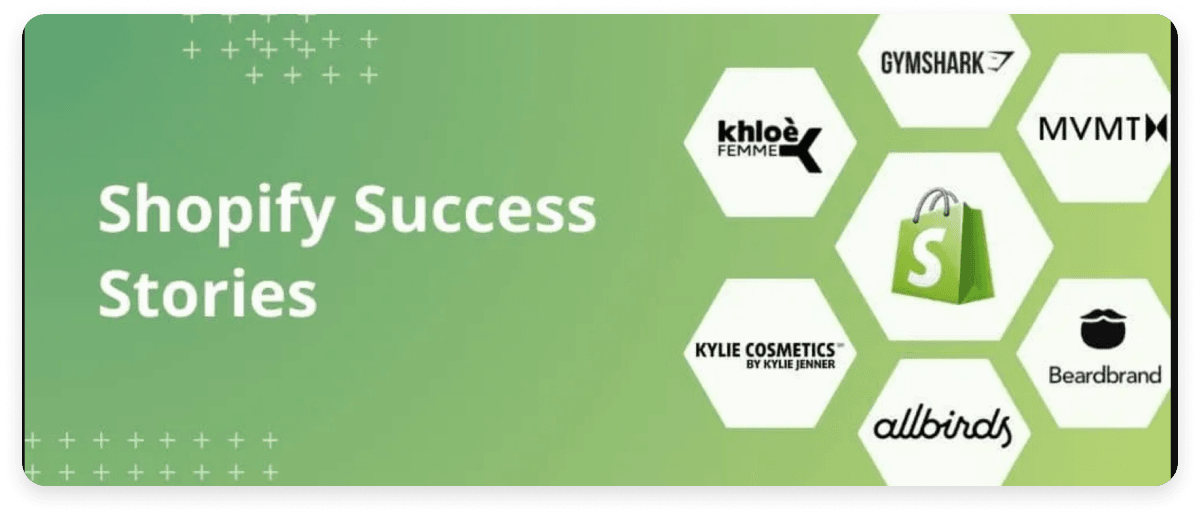 Shopify India successfully boosted its small business signups through a highly targeted Google Ads campaign. Facing the challenge of reaching aspiring entrepreneurs across a diverse market, Shopify positioned its PPC ads around affordability and ease of use, promoting the service as starting from just ₹20 per day. They focused on localizing messaging with culturally relevant language, empowering copy, and pricing in Indian rupees, while optimizing landing pages for a smooth mobile experience.
Why it works: Shopify localized its PPC strategies, speaking the audience’s language, pricing in rupees, and emphasizing accessibility for new entrepreneurs.
Impact: High CTRs, thousands of signups, and strong nationwide engagement proved that regional relevance drives action.
Marketer’s lesson: Go local to go big. Cultural context and clear value make SEM truly resonate.
11. Lenskart
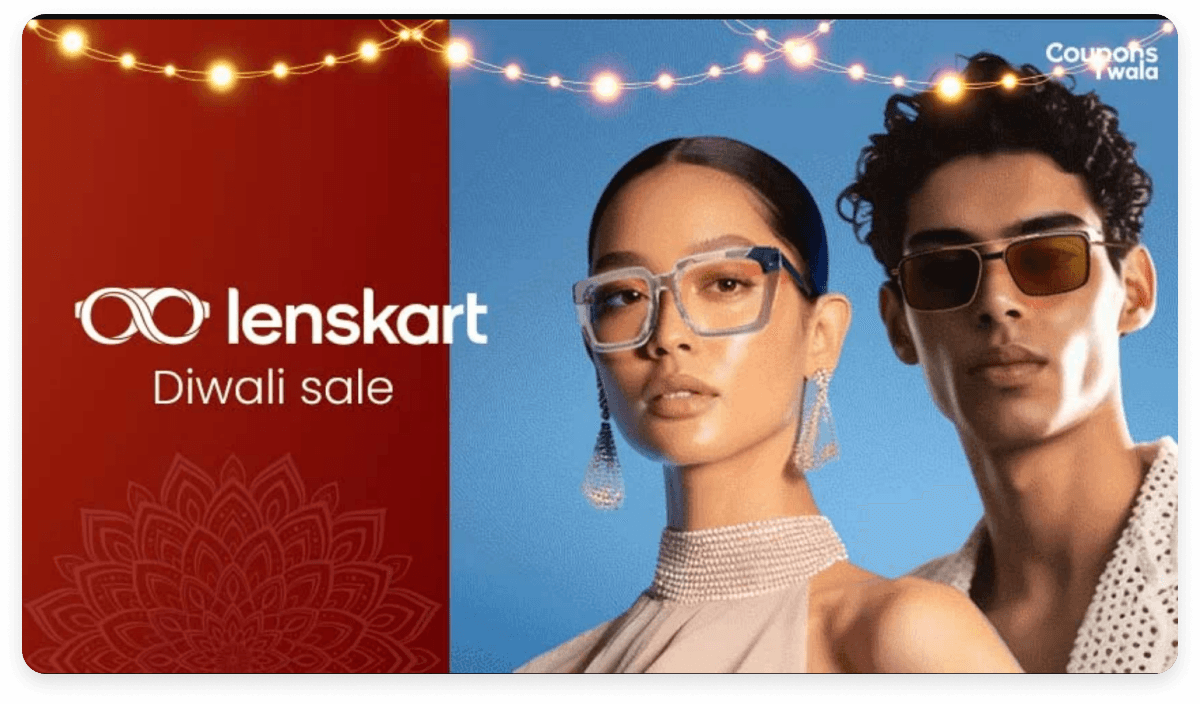 Lenskart’s Diwali SEM campaign included a warm, festive image of Diwali lights along with warm, irresistible offers, e.g., Buy-1-Get-1, which made the ads more engaging.
Why it works: Lenskart tapped into Diwali’s festive emotion, blending seasonal visuals and irresistible offers to spark instant connection.
Impact: CTR jumped 44% in Q4, with sales rising in sync, proving timing and culture amplify engagement.
Marketer’s lesson: Celebrate with your audience. Cultural moments turn ads into experiences that convert.
12. Zomato
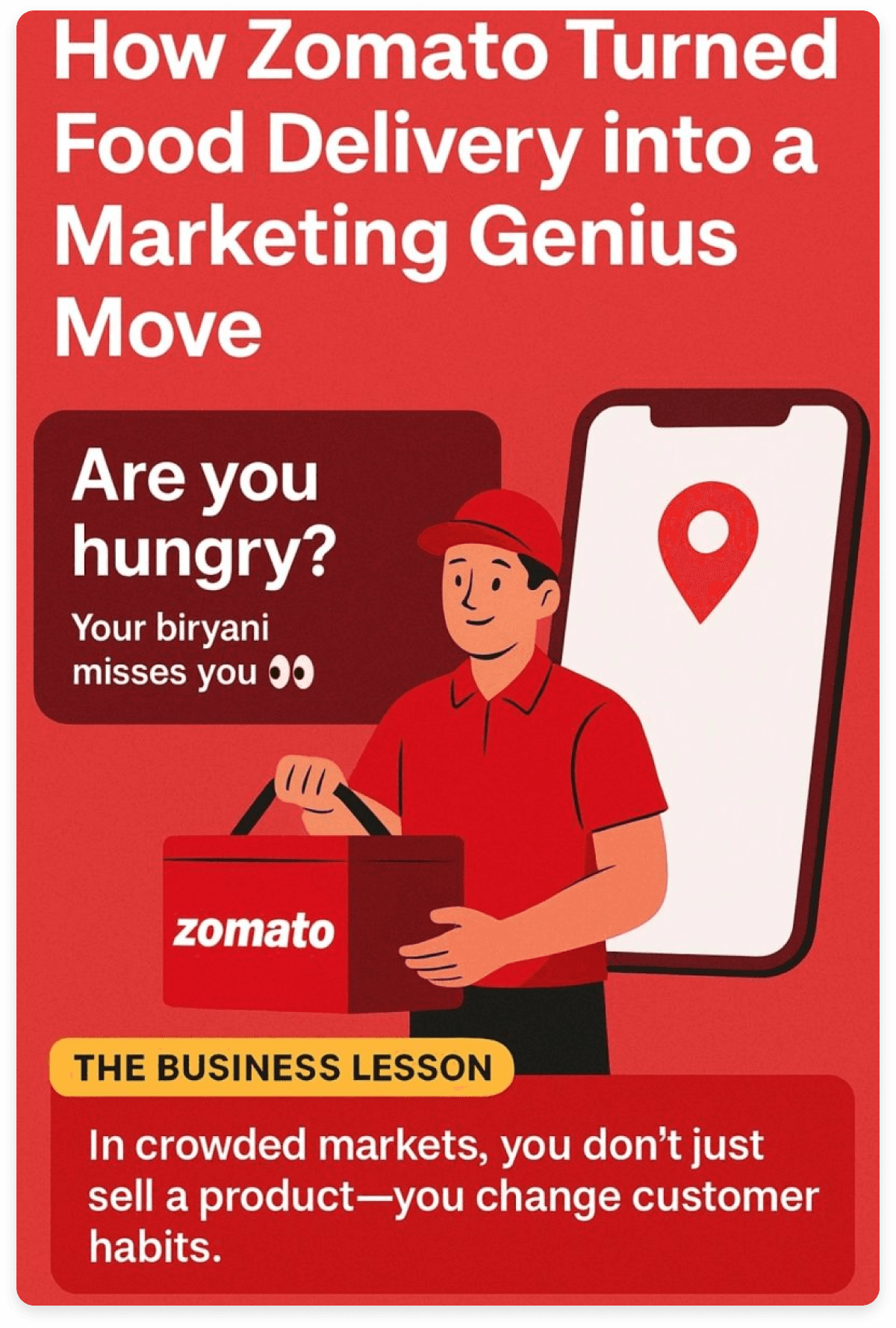
Zomato replaced boring ad copy with fun, witty, contextual ad messaging that made people smile and click. By writing ad copy that fit into local humor or popular slang or trending, their ads went from clickable to shareable.
Why it works: Zomato infused humor and local slang into its PPC ads, turning ordinary copy into shareable moments of delight.
Impact: Click-throughs jumped 18%, proving that personality and wit drive stronger engagement.
Marketer’s lesson: Be human. Fun, relatable ads cut through clutter and make people want to click and remember.
13. Airbnb
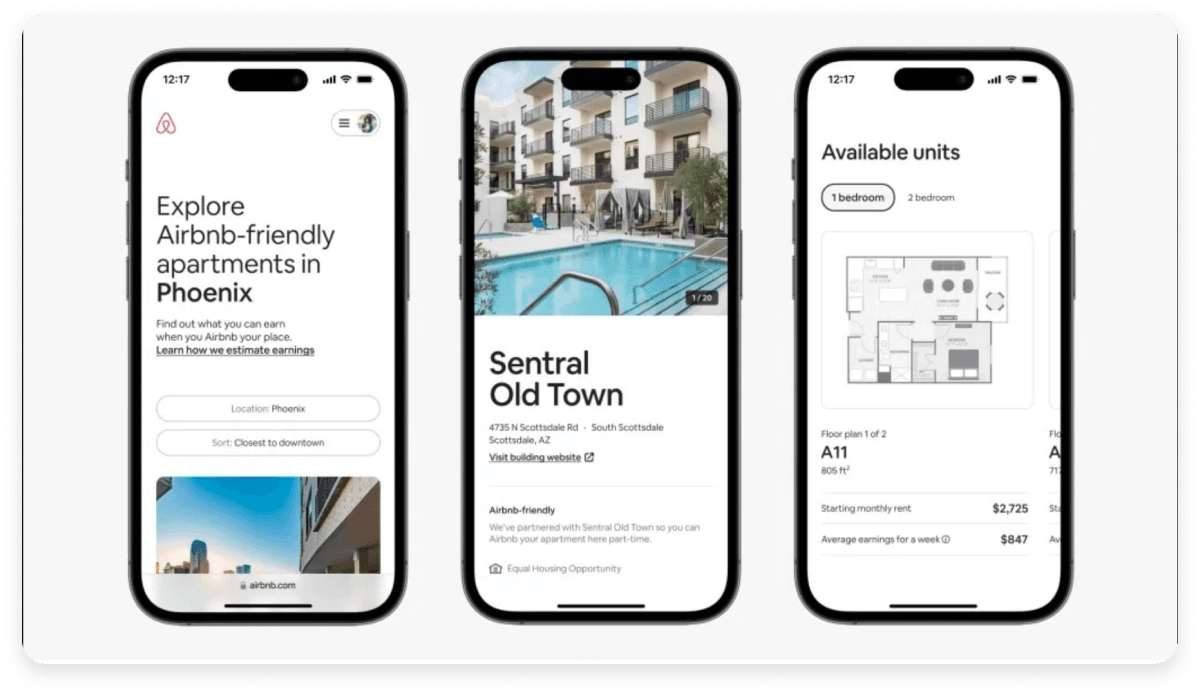
Airbnb customized its PPC strategy to concentrate on local experiences, producing ads that were specific to cities and locales. Rather than using more general messaging, the brand instead focused on unique, one-of-a-kind experiences and encouraged users to “live like a local.”
Why it works: Airbnb’s city-specific PPC ads sold authentic local experiences, making each click feel personal and meaningful.
Impact: Higher CTRs and stronger booking conversions reinforced Airbnb’s image as a travel innovator.
Marketer’s lesson: Personalize by place. Localized relevance turns interest into intent and browsers into bookers.
14. Nykaa
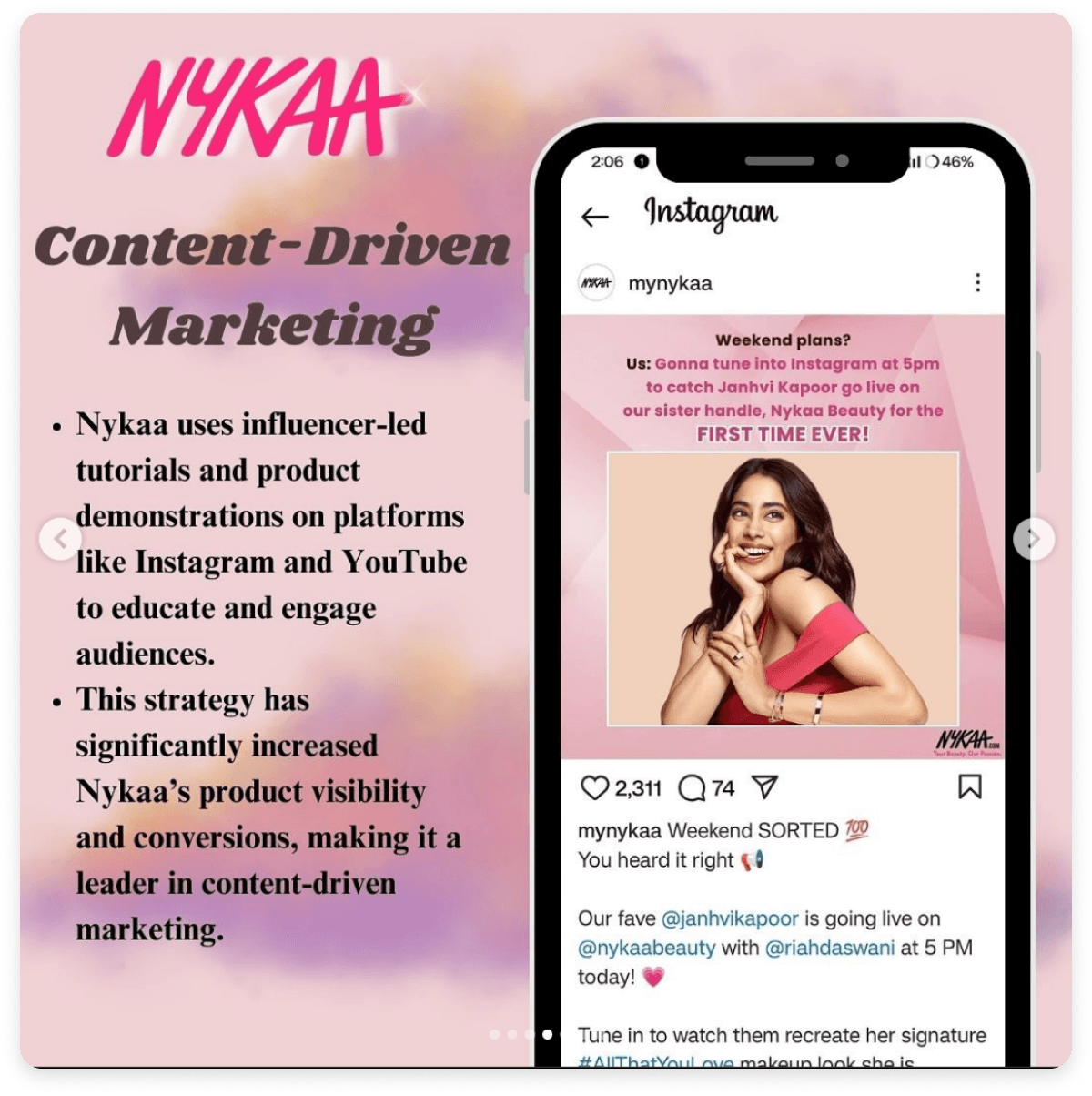
During the key Indian festival, Nykaa used PPC ads leveraging creator-driven content, for example, beauty influencers unboxing and reviewing products. These videos were designed through paid media and resonated with shoppers in the local language format.
Why it works: Nykaa blended influencer credibility with PPC precision, using creator videos in local languages to build trust and excitement.
Impact: Achieved a 5.7× ROAS and 4%+ CTR, proving authentic voices amplify paid reach.
Marketer’s lesson: Combine influence with intent. Creator content turns PPC from promotion into persuasion.
15. Mamaearth
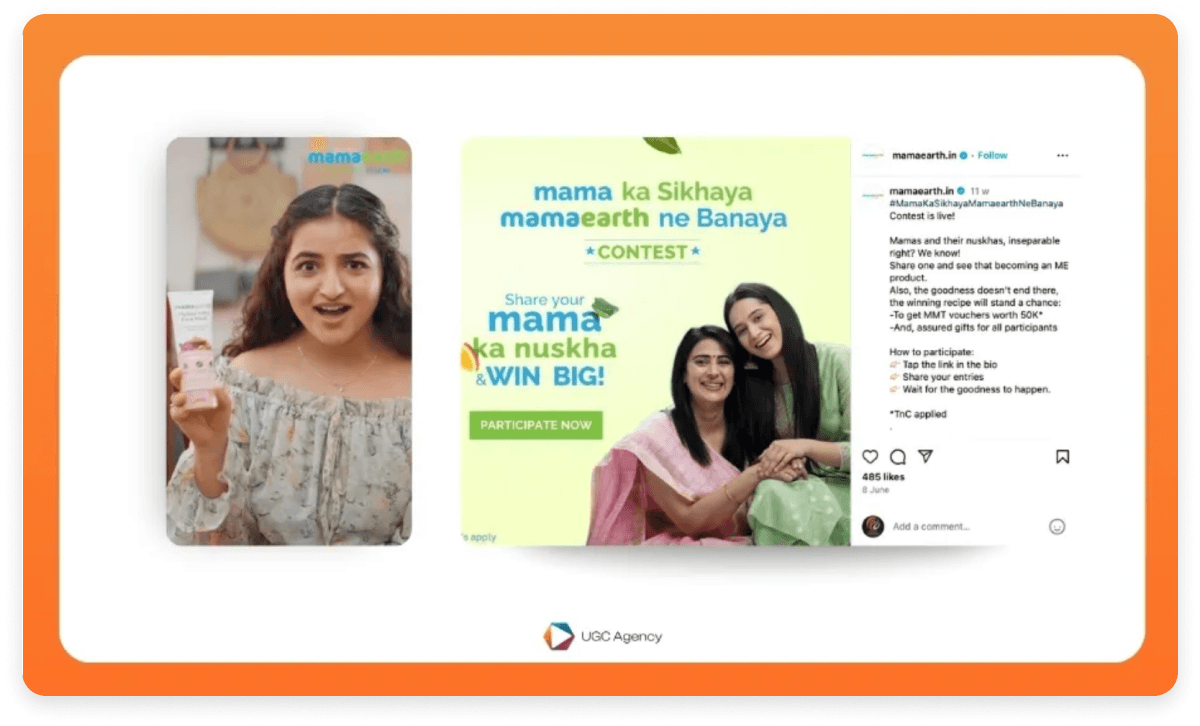
Mamaearth, one of India’s leading personal care brands, leveraged the power of artificial intelligence to optimize its PPC advertising campaigns. The brand analyzed hundreds of user-generated content videos to identify which videos resonated most with their audience and drove engagement. By using AI to pinpoint the top-performing video content, Mamaearth removed much of the guesswork traditionally involved in ad creation and ensured that only the most compelling and relevant content reached potential customers.
Why it works: Mamaearth used AI to analyze UGC videos, finding what truly resonated with its audience and removing guesswork from ad creation.
Impact: Delivered an 8.1× ROAS and stronger conversions across the funnel through data-led creative optimization.
Marketer’s lesson: Let AI guide creativity. Data-backed content choices make every ad more restrong textlevant and more profitable.
16. Swiggy
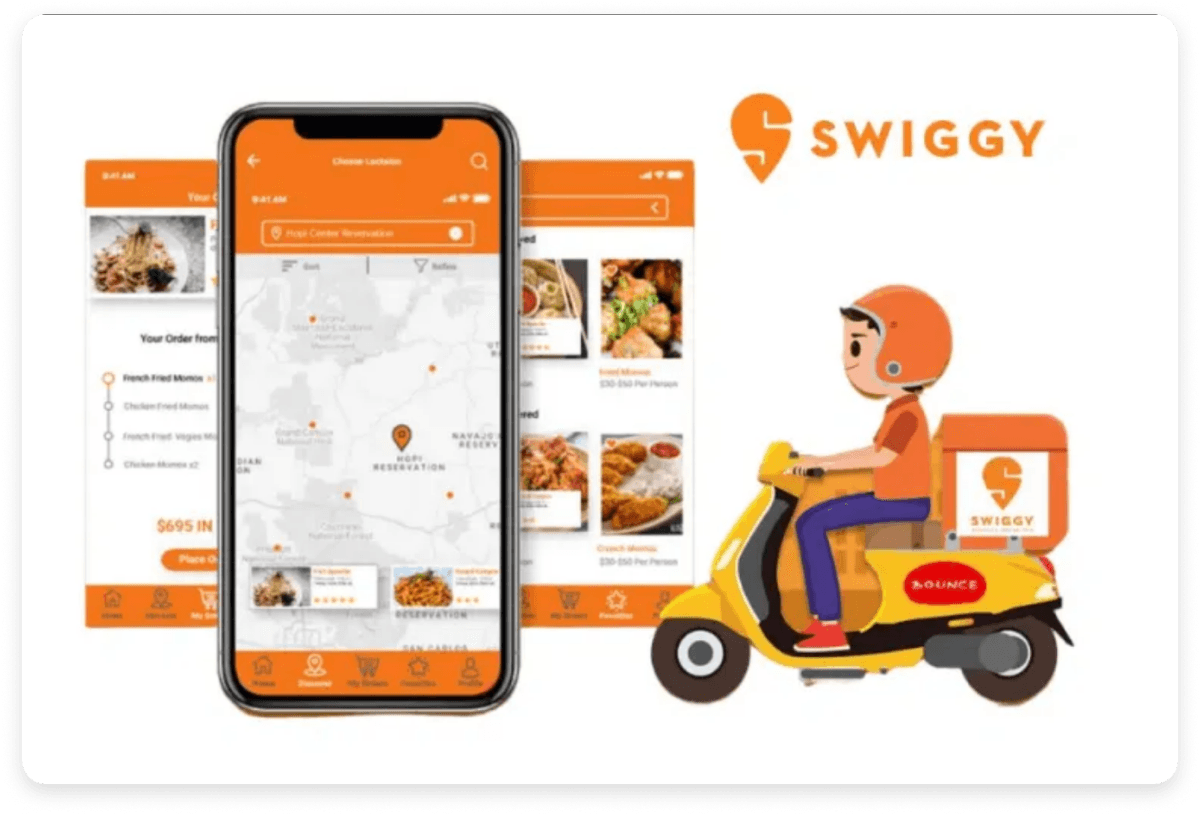 Swiggy achieved remarkable success through its highly targeted search engine marketing (SEM) campaigns. The brand focused on micro-audiences by serving hyper-local, relevant, and time-specific offers during lunch and dinner hours, aligning perfectly with user intent and behavior.
Why it works: Swiggy mastered timing and targeting, serving hyper-local offers exactly when users were hungry, turning intent into instant action.
Impact: 8× rise in first orders, 30% lower cost per order, and 177% more new users while reducing acquisition costs by 32%.
Marketer’s lesson: Relevance is everything. When SEM aligns with behavior, place, and time, performance multiplies.
17. Converse
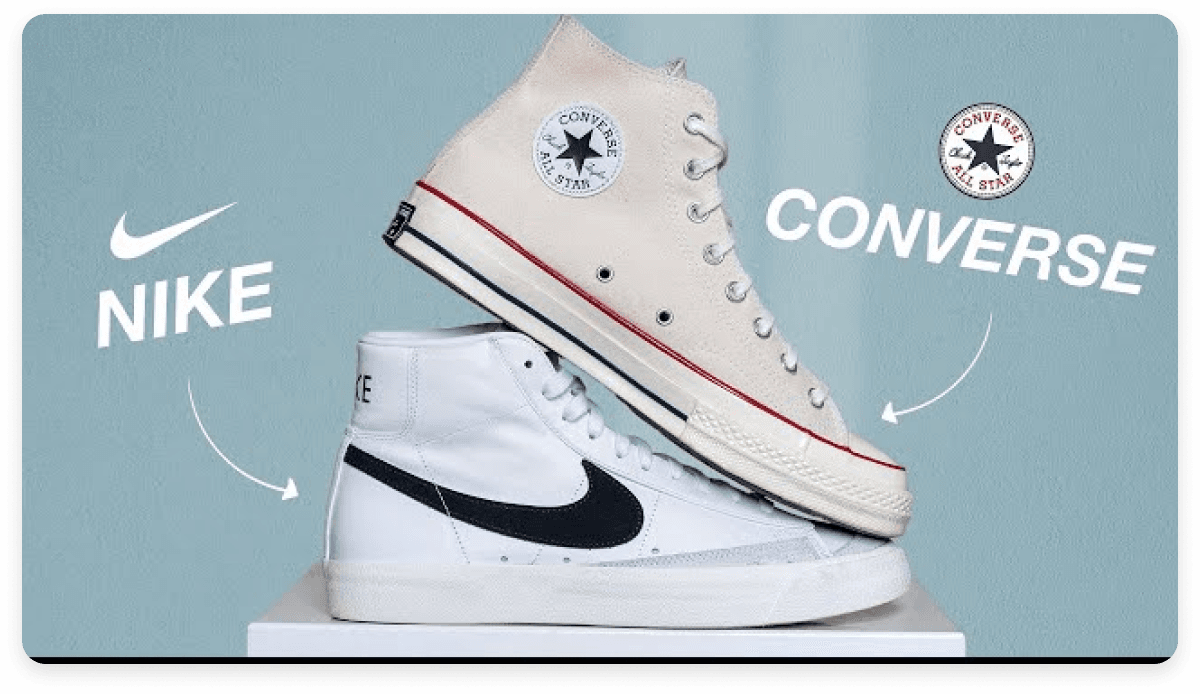
Converse took a serious jump into the PPC game by bidding on competitor brand keywords, specifically targeting users who were searching for Nike and Adidas. Their ads featured bold copy and outlandish comparisons that caught the eye of prospective customers who were already primed to consider other brands. By engaging in this “search hijacking” strategy, Converse was able to present itself as an assured alternative and not just a “me too” brand in hopes of shoehorning itself into competitor shopping.
Why it works: Converse boldly targeted competitor keywords, using witty, confident copy to intercept high-intent shoppers mid-search.
Impact: Boosted brand awareness and site visits by turning competitor interest into curiosity for Converse.
Marketer’s lesson: Be fearless. Smart, strategic “search hijacking” can turn rival traffic into your next audience.
18. Shore Excursions Group
Shore Excursions Group capitalized on the surge in post-pandemic travel demand by refreshing its PPC program. They rewrote ad copy, refined demographic targeting, and utilized Google's new campaign types, such as Performance Max, to increase their reach. While they only slightly raised their ad budget.
Why it works: Shore Excursions Group refreshed its PPC with sharper copy, smarter targeting, and Google’s latest tools, proving that agility beats timing.
Impact: Profit margins soared 1,333%, with nearly 19× ROAS, all on a modest budget increase.
Marketer’s lesson: fast. In SEM, catching trends early matters less than evolving faster than the competition.
19. Dropbox
Dropbox's PPC (pay-per-click) advertising system was tailored to a very specific user audience type, like students and freelancers, with carefully chosen keywords and specific ad text, which addressed the audience's specific pain points. They had also put together different value propositions and tested ads with the phrases "Get 2GB Free Storage" and "Secure File Sharing" to maximize their ad targeting.
Why it works: Dropbox spoke directly to its audience, students and freelancers, using precise keywords and clear value offers like “Get 2GB Free Storage.”
Impact: Sign-ups rose 150%, and acquisition costs dropped sharply through focused, data-led testing.
Marketer’s lesson: Know your user. Targeted messaging and constant A/B testing turn PPC precision into growth.
20. The DM School
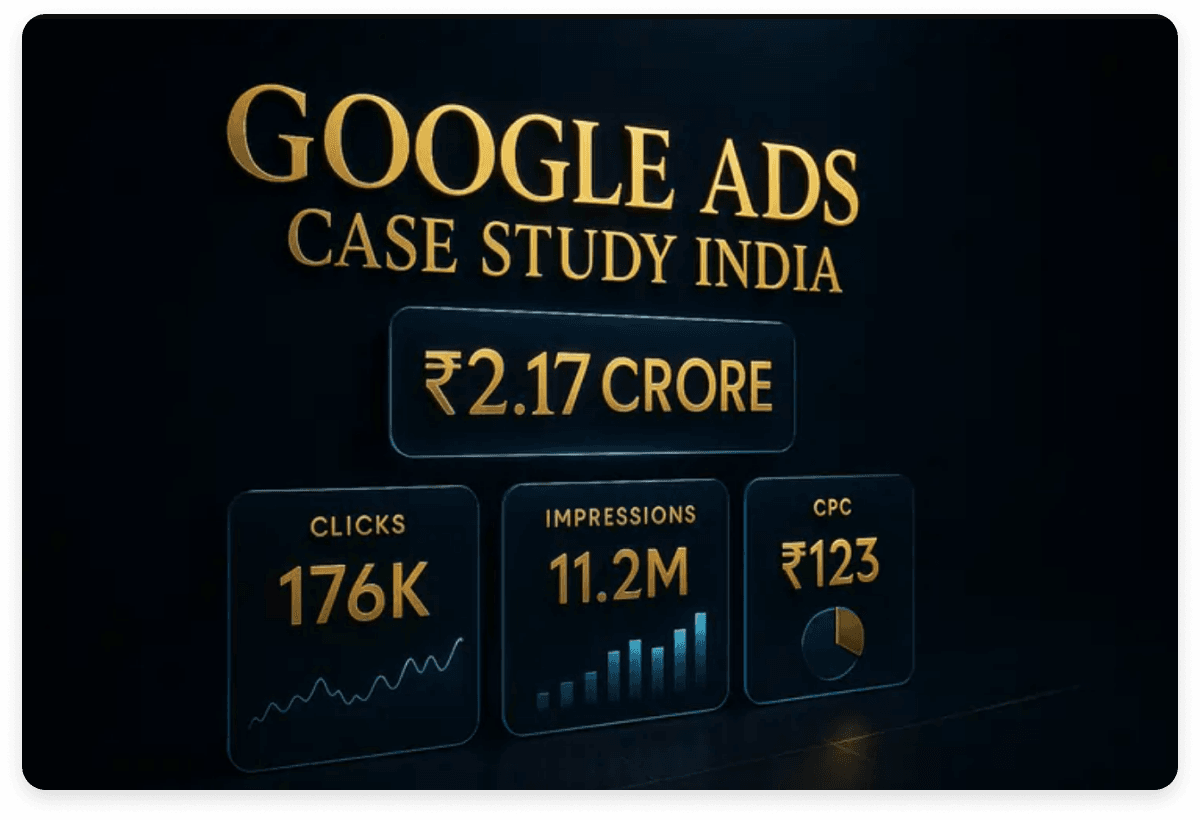
A prominent educational institution in India significantly improved its student outreach and lead generation through a structured, data-driven Google Ads campaign. Facing challenges with irrelevant traffic and low conversion from earlier ads, the school optimized its campaigns with precise keyword targeting, audience segmentation, and conversion-focused landing pages.
Why it works: The institution refined its Google Ads with focused keywords, smart segmentation, and optimized landing pages, turning wasted clicks into qualified leads.
Impact: Delivered 176K+ clicks, 11.2M impressions, and a 1.57% CTR at just ₹123 per click.
Marketer’s lesson: Precision pays. Data-driven optimization turns ad spend into meaningful student engagement.
Conclusion
These SEM wins show that success lies in connecting with the right audience at the right time through meaningful messaging.
When creativity blends with purpose and data, even limited budgets can drive powerful results.
Effective SEM is not just about promotion; it builds visibility, engagement, and long-term growth.
Brands that continuously test, learn, and evolve stay ahead in the digital space.
SEM, when done with strategy and audience insight, becomes a roadmap to new opportunities and lasting success.