1. Nike: Elite Ecommerce SEO That Converts

Nike’s product pages are exemplary models of e-commerce SEO. Their approach goes far beyond simply listing products; Nike develops rich, detailed content that speaks directly to customers’ needs and search intent. Each product page is optimized with long-tail keywords naturally embedded within authoritative descriptions, supported by FAQ sections that address common concerns.
On the technical side, Nike’s meticulous URL structures, titles, headings, and structured data implementation help search engines clearly understand and surface the right products for user queries.
Why It Works
Nike respects the full customer journey from awareness to purchase by providing comprehensive and relevant content. This satisfies Google’s core focus on user intent fulfillment, improving rankings for specific, financially valuable queries. Their smart internal linking also spreads ranking power evenly across product lines while helping users navigate related offerings, reducing bounce and increasing engagement.
What You Can Do
Conduct thorough keyword research to discover relevant long-tail queries specific to your products.
Develop detailed product pages with FAQs to capture both informational and transactional search traffic.
Optimize URL slugs, meta titles, and headings to reflect your keyword strategy.
Build an internal linking structure that connects related products and categories for better user flow and SEO value.
2. Spotify Wrapped: Data-Driven Virality

Spotify Wrapped is a masterpiece of personalized marketing blended with SEO strategy. Each December, the campaign gives users a visually engaging snapshot of their year in music, a mashup of personal listening data designed for easy sharing on social platforms like Instagram, TikTok, and X. This user-driven content naturally generates massive organic reach and drives a wave of branded searches and media coverage, significantly boosting Spotify’s visibility without traditional advertising.
Why It Works
The campaign taps into personal identity and social sharing, inspiring users to become brand ambassadors by posting and tagging their stats. This organic amplification spurs a surge in branded search traffic and backlink profiles, creating a cyclical effect that benefits SEO long after December ends.
What You Can Do
Use personalized content or data insights that spark sharing and engagement.
Develop annual or recurring campaigns that build anticipation and loyalty.
Promote easy-to-share, visually appealing personalized assets that double as organic marketing tools.
3. Uber Eats: Winning Local Search with Geo-Targeted Pages
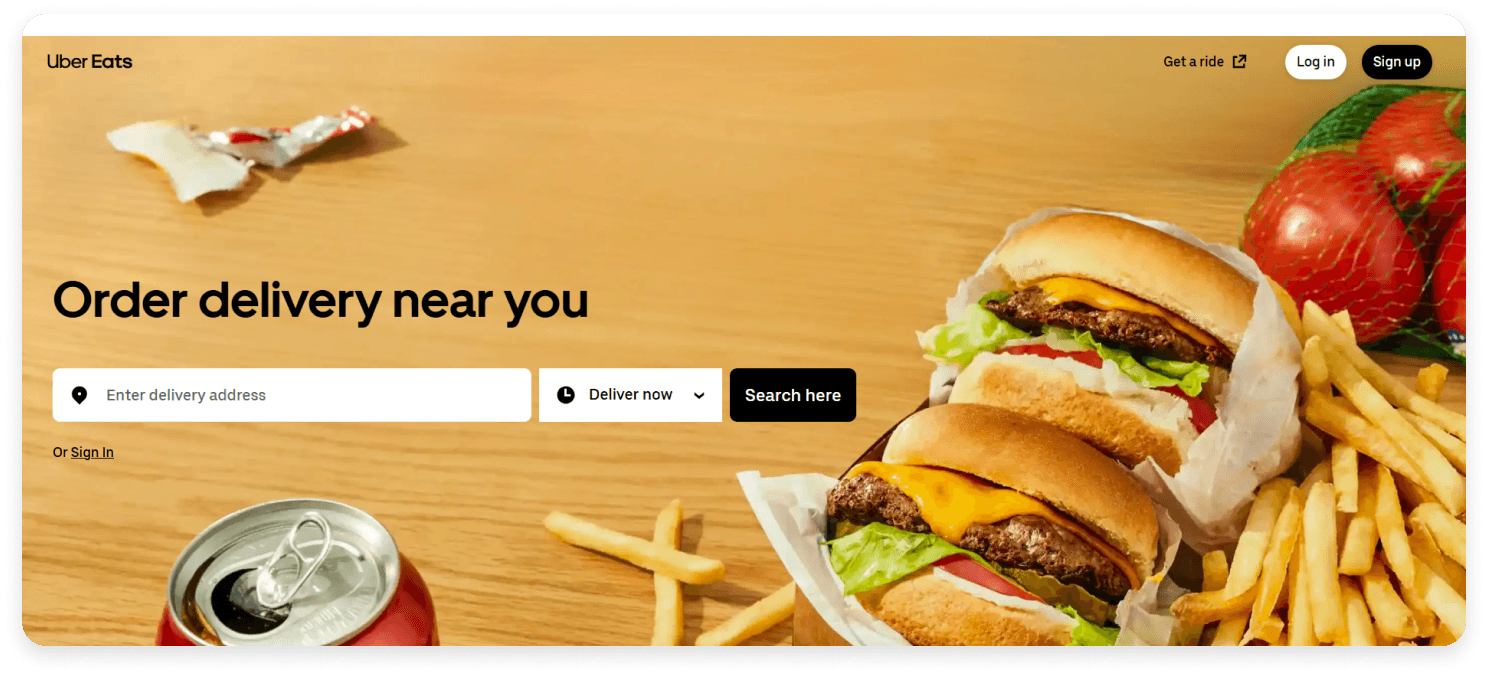
Uber Eats leverages hyperlocal SEO tactics across multiple cities worldwide. Their marketing team goes granular by creating unique landing pages for each city they serve, embedding geo-specific keywords, localized menus, and timely promotions. In tandem, their Google Business Profiles are actively optimized with regularly updated photos, customer reviews, and critical business info that builds user trust and improves local search rankings.
Why It Works
Google’s algorithms increasingly prioritize local relevance, and Uber Eats wins by precisely matching that demand. The combination of tailored city pages and strong Google Business Profile management delivers not only higher rankings but also increased user trust and click-through rates.
What You Can Do
Develop individual landing pages optimized for your key service locations with unique, localized content.
Maintain your Google Business Profiles by encouraging reviews, updating photos, and ensuring consistent accurate information.
Utilize local schema markup to signal geographic relevance to search engines.
4. Canva: Programmatic SEO Done Right

Scaling content across thousands of keywords is challenging, but Canva has mastered this with programmatic SEO. Scaling content across thousands of keywords is challenging, but Canva has mastered this with programmatic SEO and LLM SEO optimization. Targeting templates like business cards, resumes, and invitations, Canva automatically generates unique, keyword-optimized pages that provide real value to users. This blend of automation and editorial oversight ensures they don’t fall into the common traps of duplicate or thin content.
Why It Works
Canva matches a wide range of very specific user intents by automatically building pages around relevant keywords but ensures each page offers actionable tools, descriptions, and visual materials that maintain content quality and user experience. As AI-powered search evolves, forward-thinking brands are also working with a GEO agency to ensure their content performs well in AI-driven search experiences alongside traditional search engines.
What You Can Do
Leverage automation tools to create scalable content pages but maintain quality with editorial review.
Focus heavily on user intent, giving actionable value even in large programmatic campaigns.
Monitor page performance to tweak or remove underperforming content.
5. Apple’s #ShotOniPhone: Harnessing User-Generated Content

Apple’s #ShotOniPhone campaign calls on iPhone users worldwide to share their best photos via social media, creating a vast well of user-generated content (UGC). Apple curates and prominently features standout images on official websites, billboards, and marketing channels, amplifying brand loyalty while fueling fresh, relevant SEO-rich content.
Why It Works
User-generated content acts as authentic social proof and generates massive social signals and backlinks that benefit Apple’s overall SEO. The organic content flow keeps Apple’s site vibrant with grassroots creative assets that search engines reward.
What You Can Do
Encourage your customers to share creations related to your brand on social platforms with hashtags.
Regularly showcase and repurpose the best submitted content to boost engagement and SEO-friendly social signals.
Use UGC as fresh multimedia content opportunities on your site.
6. Bankrate: Building E-E-A-T Authority in Finance
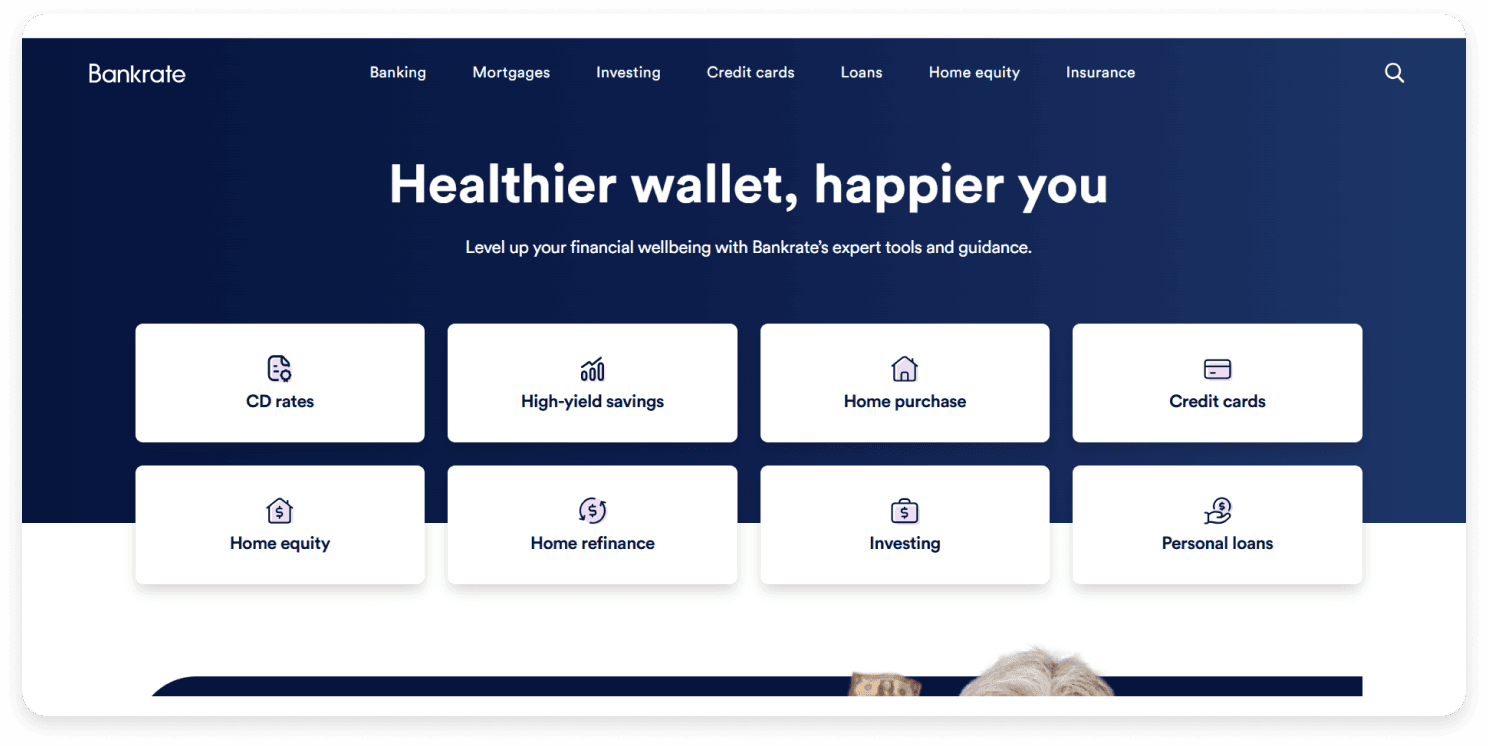
In the competitive and sensitive finance space, Bankrate stands as a paragon of E-E-A-T: Experience, Expertise, Authority, and Trust. Their content strategy emphasizes expert authorship, transparent disclosures, and thorough citation of reputable sources, essential factors in Google’s evaluation of financial publishers.
Why It Works
Google recognizes and rewards credible, expert-backed content in Your Money or Your Life (YMYL) sectors like finance. Bankrate’s clear display of expertise and trustworthiness drives higher trust signals, improving rankings and user confidence.
What You Can Do
Showcase author bios with verifiable credentials on all expert content.
Cite authoritative sources and maintain rigorous fact-checking.
Use clear disclosures to build transparency and trust.
7. Wendy’s Twitter Roasts: Boosting Brand Engagement via Social Signals
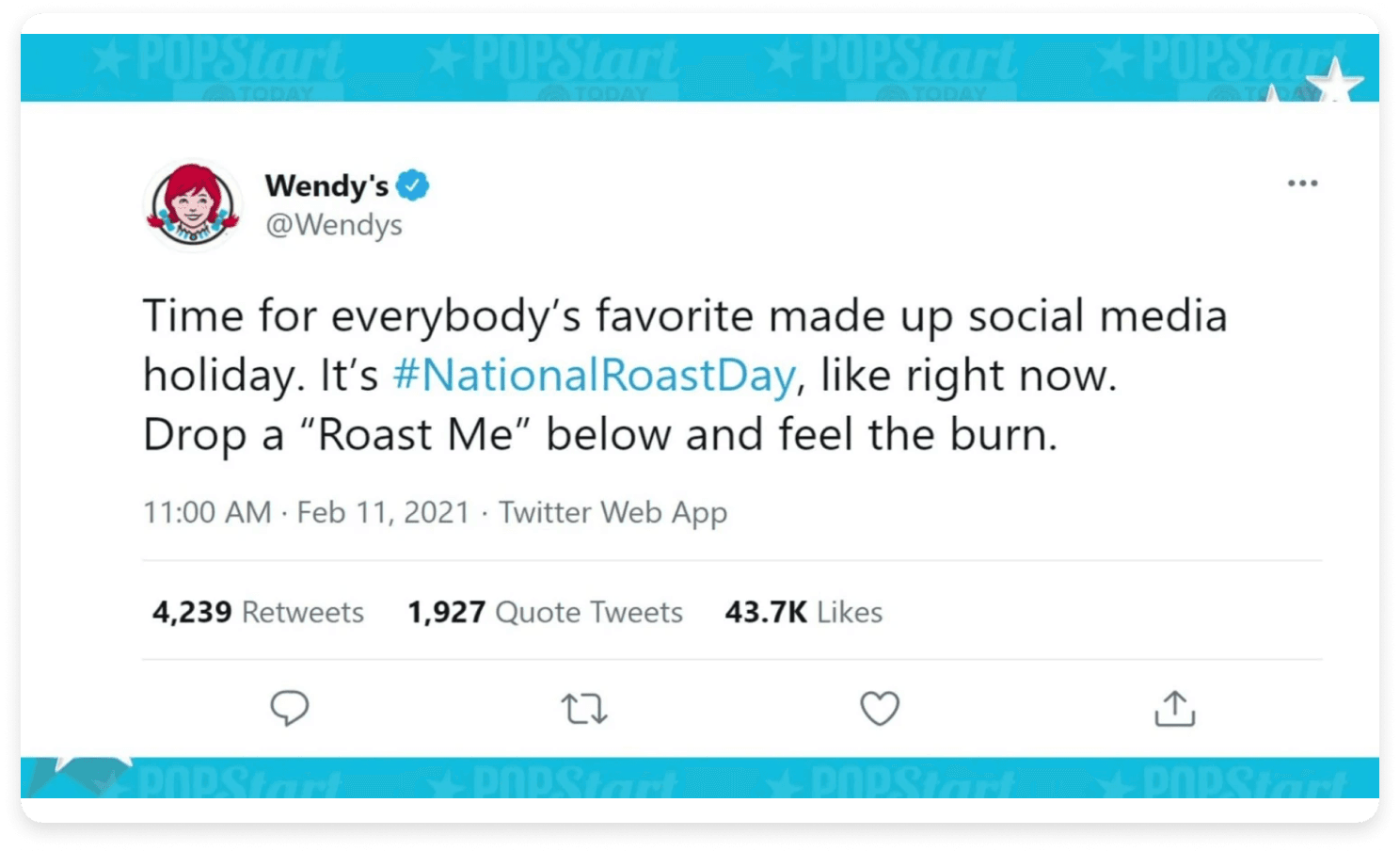
Wendy’s Twitter account breathes life into corporate social media through witty roasts and timely pop culture relevancy. Their conversational and often sarcastic tone breaks the mold of brand monotony and draws viral engagement globally.
Why It Works
Although social signals are indirect SEO factors, viral content increases brand mentions, referral traffic, and organic backlinks, enhancing site authority and branded search volume. Wendy’s example illustrates how bold social media presence can bolster SEO.
What You Can Do
Develop a distinctive and authentic voice for your social channels.
Engage actively and humorously with trending topics and consumers.
Use social virality to amplify brand exposure organically.

Semrush’s site is a benchmark for combining meticulous keyword targeting with a superior technical foundation. Their pages not only embed primary and secondary keywords throughout headings and body content but also achieve lightning-fast page speeds that Google prioritizes. These performance improvements are often measured and optimized using tools like PageSpeed Insights, ensuring a better user experience and stronger search visibility.
Why It Works
Google values both relevance and user experience, with Core Web Vitals playing a key role. Semrush’s optimized content satisfies intent, while their speed improvements reduce bounce and improve dwell times, leading to consistent top rankings. These technical fundamentals are also the key to being cited by LLMs, a metric you can now measure using specialized AI tracking tools.
What You Can Do
Use advanced keyword tools to optimize content placement naturally and comprehensively.
Routinely audit and optimize site speed using tools like Google PageSpeed Insights.
Prioritize mobile responsiveness and technical SEO health.
9. Crumbl Cookies: Franchise SEO with Local Domination
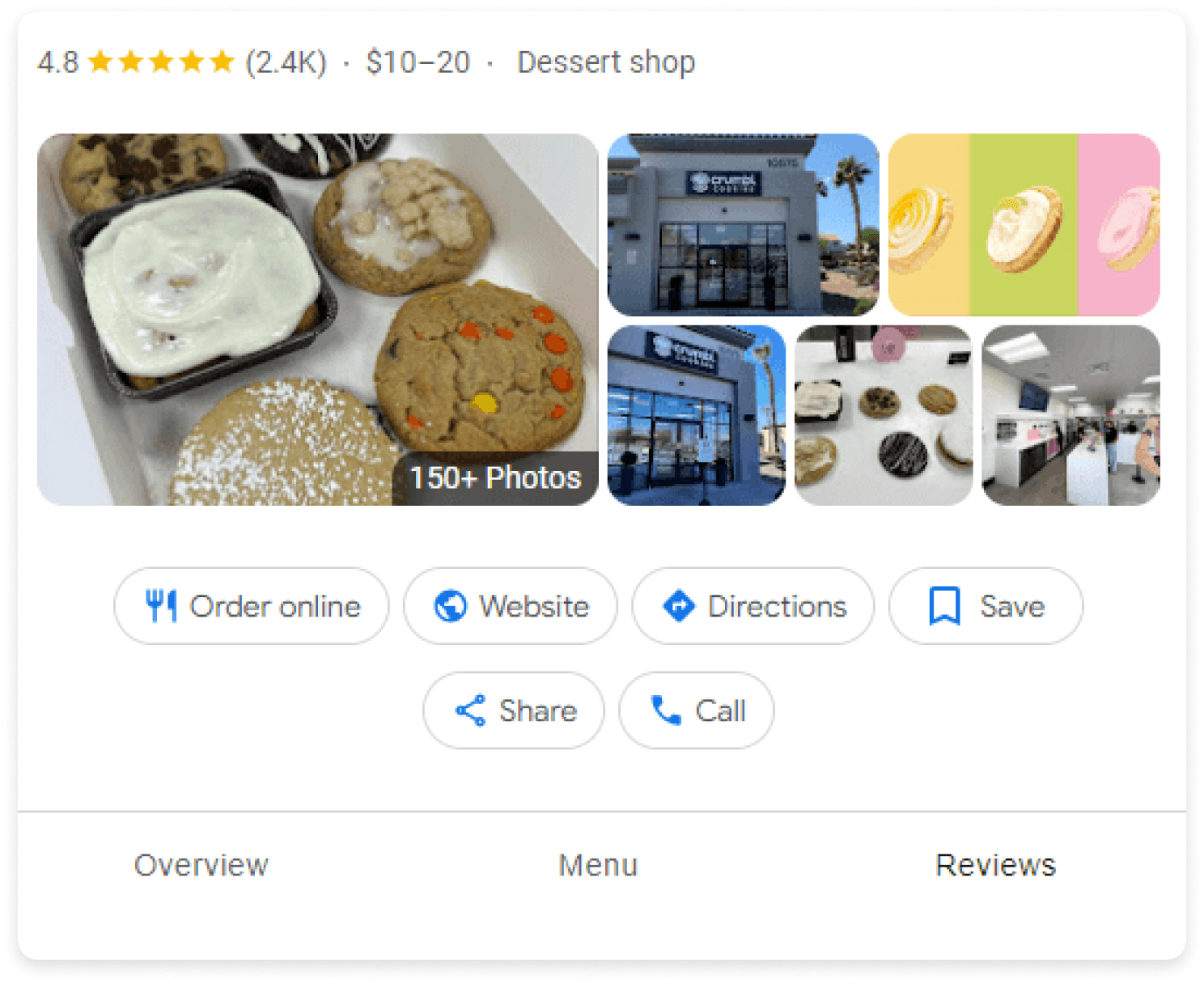
Crumbl Cookies strategically manages hundreds of location-specific pages, each optimized for local keywords, supported by locally managed Google Business Profiles that showcase location-specific offers and reviews. This approach outshines competition in countless local SERPs.
Why It Works
Localization at scale ensures that each store caters to users’ unique local queries and preferences. Centralized citation and review management ensures consistent NAP (Name, Address, Phone) info accuracy, trusted by Google’s local algorithm.
What You Can Do
10. IKEA’s Subway Apartment: Offline Creativity Meets Digital SEO

IKEA’s ingenious campaign converted a Paris subway carriage into a stylish living space, attracting widespread media coverage and social sharing. This offline activation seamlessly integrated with online content marketing to magnify SEO benefits.
Why It Works
By linking a creative offline brand experience to rich online storytelling, IKEA generated authentic backlinks, social signals, and boosted brand awareness that search engines rewarded with higher rankings.
What You Can Do
Pair offline events or experiential marketing with rich, story-driven online content.
Encourage and curate user shares and backlinks to maximize campaign reach and SEO impact.
Final Words
SEO today is much more than following a checklist of technical fixes. It’s about smart strategy, telling your brand’s story, and anticipating what your audience needs next. Leading brands like Nike, Spotify, and Uber Eats show us that SEO works best when it’s thoughtful and focused on real user intent, not just keyword stuffing.
The truth is, ranking high on Google is just the beginning. What really matters is turning those rankings into meaningful engagement, building trust and authority, and converting visitors into loyal customers who keep coming back.
SEO isn’t a thing of the past; it’s the key to discovery and growth in 2025. The companies that truly succeed aren’t just chasing rankings; they’re setting the pace and leading the way with creativity, insight, and authenticity.