1. MoonPie
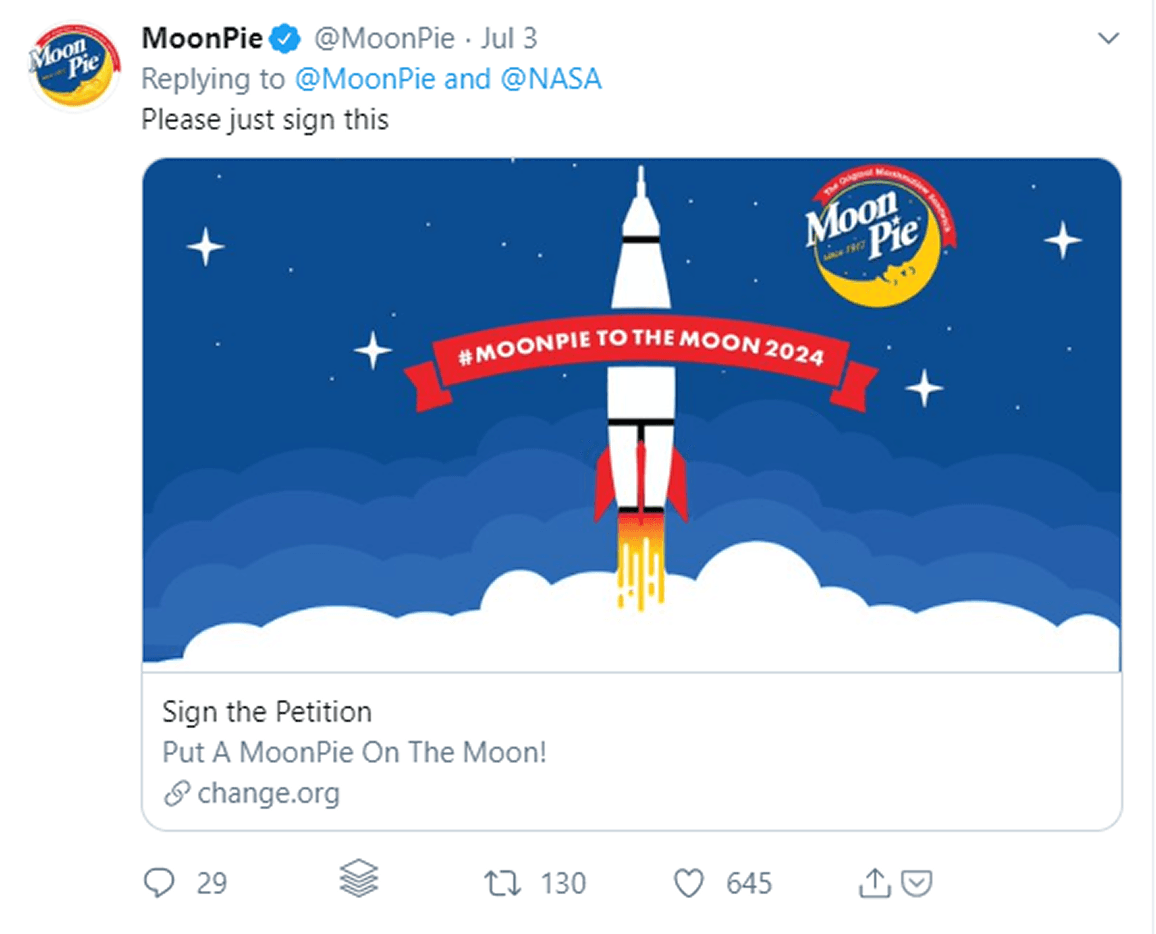
When NASA’s SpaceX launch captured global attention, MoonPie saw the perfect moment to shoot for the stars literally. With its playful personality already loved by fans, the brand joined the space race in its own hilarious way. MoonPie proposed sending one of its iconic pies to the moon, jokingly launching a Change .org petition and naming it the #MoonPieToTheMoon2024 campaign. Their posts were witty, bold, and filled with humor that perfectly matched the excitement surrounding the event. What started as a lighthearted joke soon turned into a viral sensation across Twitter and Reddit.
Strategy:
Leveraged trending events (NASA’s SpaceX launch) to create timely and relevant content.
Used humor and internet-friendly language to make the campaign shareable.
Encouraged audience participation through petitions and retweets.
Outcome:
The campaign went viral, with thousands joining the conversation and sharing MoonPie’s posts. Brand mentions skyrocketed, and engagement levels hit record highs. MoonPie became a masterclass example of how real-time humor can catapult a nostalgic brand into modern social relevance.
2. e.l.f. Cosmetics x Chipotle
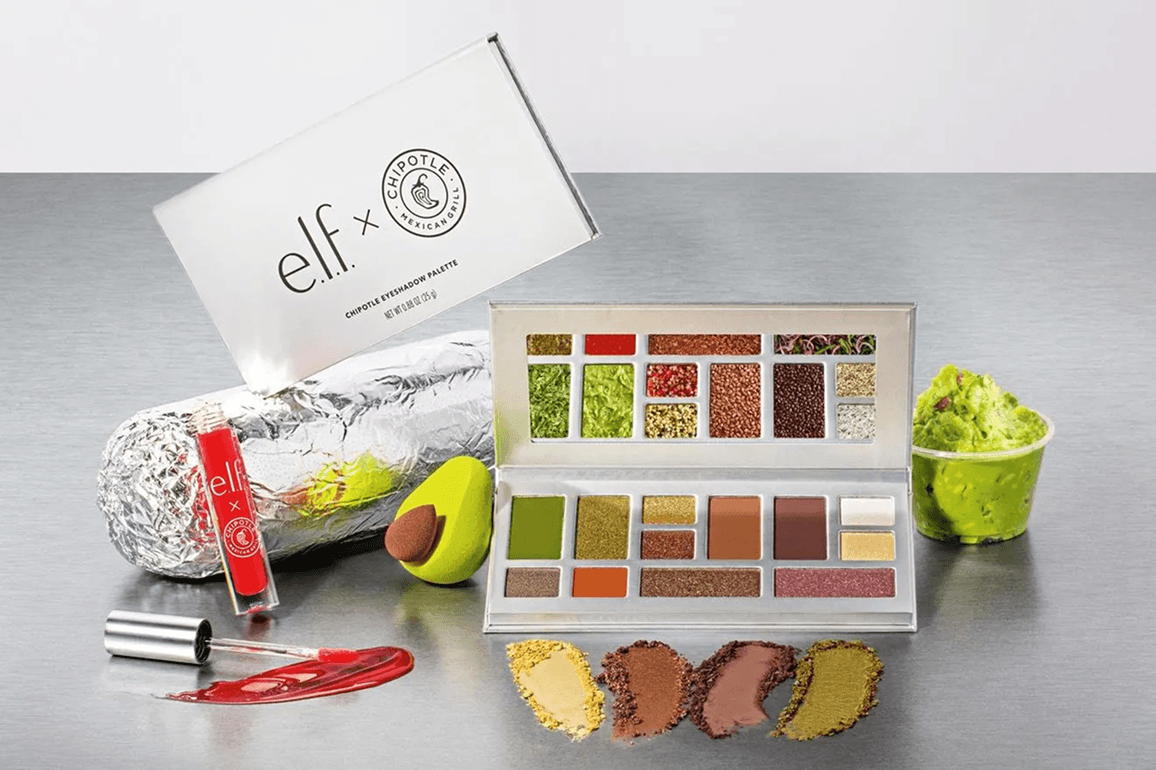
In a surprising twist, beauty met burritos when e.l.f. Cosmetics partnered with Chipotle to create a makeup collection inspired by Chipotle’s vibrant menu. From avocado green eyeshadows to salsa red lip gloss, the collection turned everyday ingredients into makeup magic. The collaboration first appeared on TikTok, where beauty lovers and foodies alike couldn’t stop talking about it. The idea was unexpected, fresh, and perfectly aligned with Gen Z’s love for fun, authentic crossovers.
Strategy:
Merged two distinct industries to generate buzz and curiosity.
Used influencer collaborations and TikTok campaigns to drive virality.
Focused on co-branding to reach both beauty and food enthusiasts.
Outcome:
The campaign trended across multiple platforms and sold out quickly. Both brands saw increased engagement, new audience overlap, and major media coverage. The collaboration proved that creativity and humor can turn unlikely partnerships into marketing gold.
3. Patagonia
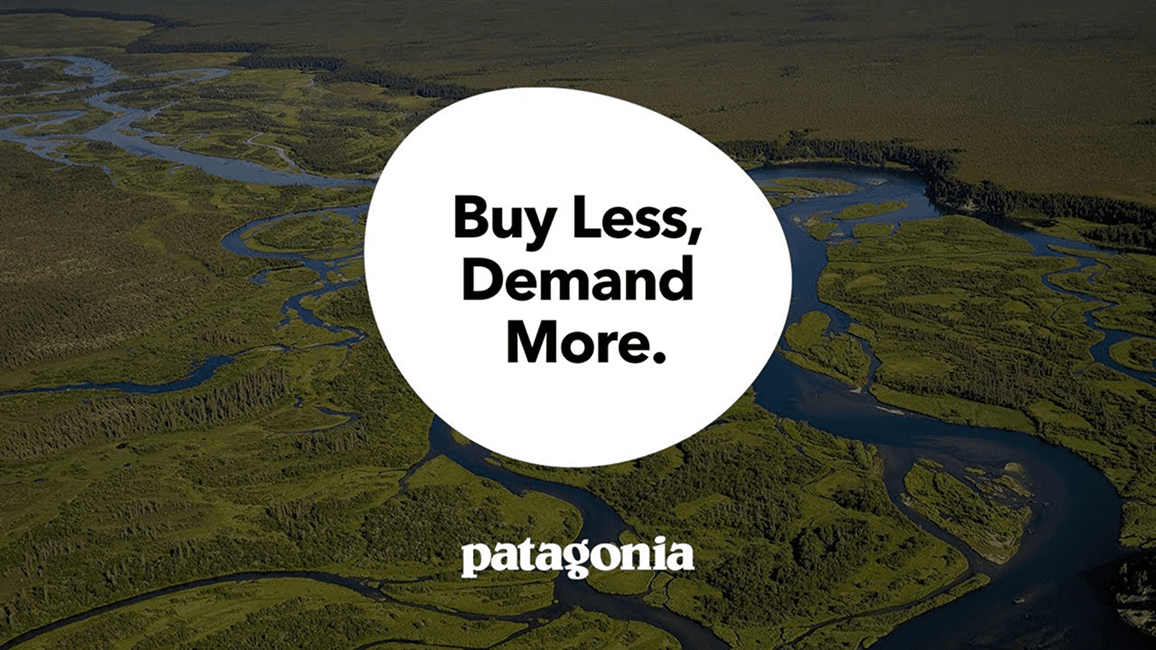
Patagonia shocked the world when it told consumers to “Buy Less.” In an era of constant consumption, the message seemed almost rebellious. But for Patagonia, authenticity mattered more than sales slogans. The brand took a stand against overproduction and waste, urging consumers to repair, reuse, and recycle instead of constantly buying new gear. Their storytelling reflected deep care for the planet and it resonated.
Strategy:
Outcome:
The “Buy Less” campaign didn’t just boost Patagonia’s image, it boosted sales too. People connected emotionally with the brand’s honesty and values. Patagonia became a benchmark for ethical marketing, proving that doing good can also be good for business.
4. Wendy’s

Wendy’s turned its Twitter account into a stand up comedy stage. Instead of traditional corporate tweets, the brand started roasting competitors and playfully teasing fans. Whether calling out McDonald’s or joining in meme trends, Wendy’s humor became legendary. Fans began tweeting at Wendy’s just to see if they’d get a hilarious response and when they did, they proudly shared it.
Strategy:
Used humor and personality to create a relatable, human brand voice.
Engaged directly with followers and competitors to spark organic conversations.
Outcome:
Wendy’s saw massive engagement growth and brand loyalty from younger audiences. Its Twitter account became one of the most followed in the fast-food world. The brand showed that a bold, funny voice could turn tweets into unforgettable marketing moments.
5. Oreo
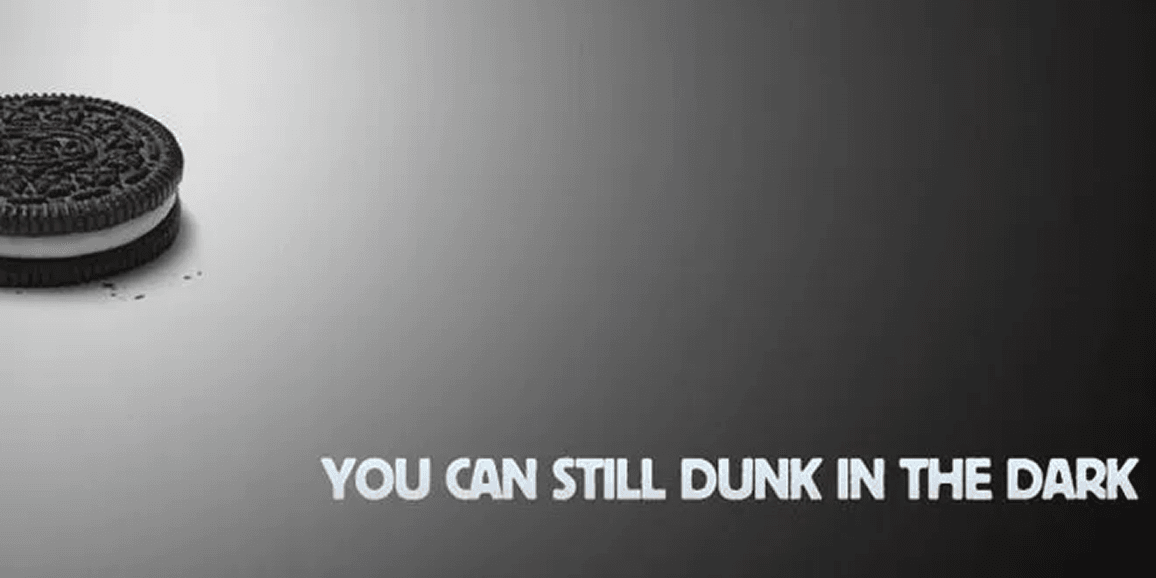
During the 2013 Super Bowl blackout, most brands paused their ads but not Oreo. Within minutes, they tweeted a simple, clever image that read: “You can still dunk in the dark.” The tweet was witty, perfectly timed, and instantly relatable to millions watching the game. Oreo turned an unexpected moment into marketing magic.
Strategy:
Outcome:
The tweet received over 15,000 retweets in minutes and became one of the most iconic real-time marketing moments ever. Oreo proved that smart timing and creativity can make a simple tweet more impactful than a million dollar TV ad.
6. Revolve
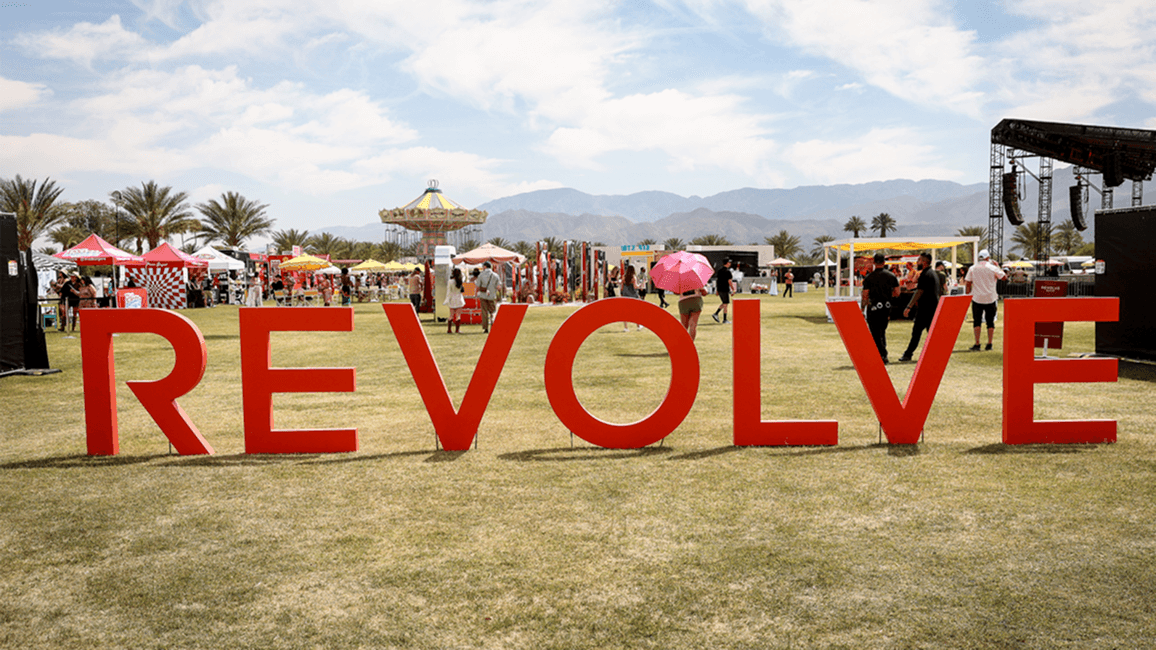
Every year, Coachella becomes a fashion runway and Revolve owns the spotlight. In 2025, the brand hosted an exclusive Revolve Festival featuring top influencers, music performances, and real time coverage across Instagram and TikTok. Attendees posted #RevolveFestival moments that blended lifestyle, fashion, and fun, making the brand the most talked-about name at Coachella.
Strategy:
Outcome:
The campaign achieved millions of impressions, cementing Revolve as a trendsetting lifestyle brand. Its ability to merge real life experiences with digital engagement set a new standard for fashion marketing.
7. Spotify

Each December, Spotify users eagerly await their “Wrapped” summaries, a colorful snapshot of their yearly listening habits. The campaign turns individual data into personal stories that users proudly share across social media. Whether it’s someone discovering their “most listened artist” or laughing at their quirky listening stats, Spotify Wrapped sparks conversation and connection worldwide.
Strategy:
Used personalized data visualization to drive emotional connection.
Encouraged organic sharing by making the experience fun, unique, and social.
Outcome:
Spotify Wrapped dominates year end social media every year, with millions of users sharing their results. The campaign boosts brand visibility, reinforces loyalty, and creates a global sense of community through music.
8. GoPro

GoPro’s social media isn’t just about products it’s about people. Adventurers, surfers, and skydivers from around the world upload stunning videos shot on their GoPros. These clips tell real stories of thrill, freedom, and creativity. The brand celebrates its users by featuring their footage, turning customers into storytellers.
Strategy:
Outcome:
Millions engage with GoPro’s posts, inspired to capture and share their own adventures. This approach transformed GoPro from a camera brand into a global movement of creativity and courage.
9. Airbnb

Airbnb’s social media pages feel like a digital scrapbook of humanity. From a Parisian artist sharing her cozy studio to a family hosting travelers in a remote village, each story highlights connection, culture, and belonging. Airbnb focuses on its hosts and guests rather than itself making the brand about people, not properties.
Strategy:
Outcome:
Airbnb’s heartfelt storytelling boosts trust, engagement, and loyalty. The brand stands out not through ads but through genuine stories of global belonging.
10. Booking. com

Booking. com turned the excitement of travel into a viral TikTok movement. Through the #TravelGenius challenge, users were invited to share travel hacks and experiences for a chance to win prizes. The challenge inspired millions to post creative videos, from packing tips to dream destinations, making travel planning fun and interactive again.
Strategy:
Outcome:
The campaign gathered over 1.7 million views and thousands of submissions. It strengthened Booking. com’s image as a fun, traveler friendly brand and proved the power of involving audiences directly in content creation.
Conclusion
Social media engagement is more than likes or comments; it's about sparking emotion and creating moments people want to share. Whether it’s MoonPie’s humor, Spotify’s personalization, or Airbnb’s heartfelt storytelling, every example here shows that connection drives conversion.
The key takeaway? Stay authentic, stay human, and let your audience feel like part of your brand’s story. That’s where engagement truly begins.