1. Netflix
When Netflix launches a new show, the internet lights up with opinions, memes, and debates. Rather than relying on traditional surveys, Netflix listens to what viewers are already saying. From fan theories about Stranger Things to viral clips of Wednesday’s dance, these social conversations provide real time insight into what’s trending. The company’s marketing team monitors hashtags, reactions, and emotional sentiment across platforms like Twitter, TikTok, and Reddit to capture what people love (or hate). This constant feedback loop lets Netflix turn fan excitement into momentum, creating campaigns that mirror audience passion.
Strategy:
Used AI powered social listening tools to track trending mentions and engagement spikes.
Identified most discussed characters and moments to feature in followup promos and short clips.
Leveraged fan generated memes and reactions in marketing materials for authenticity.
Outcome:
By tuning into audience conversations, Netflix promotes content that already has social proof. Its databacked campaigns consistently go viral, making viewers feel heard and involved. The result is higher engagement, longer binge cycles, and stronger global fandoms across every release.
2. Zappos
Zappos doesn’t just use social media for marketing it treats it as an open customer service desk. Whether it’s a tweet about a late delivery or an untagged post about shoe satisfaction, Zappos’ team is listening. Their monitoring system picks up even indirect mentions of the brand, allowing real people (not bots) to respond quickly. The tone is friendly, human, and conversational turning potential complaints into public examples of empathy and efficiency. Over time, this “we hear you” approach has become part of Zappos’ DNA.
Strategy:
Outcome:
This proactive monitoring builds exceptional trust. Customers don’t feel like they’re talking to a corporation; they feel heard by a friend. Zappos’ reputation for genuine care has made it one of the most customer loved brands online, turning even critics into loyal fans.
3. Chipotle
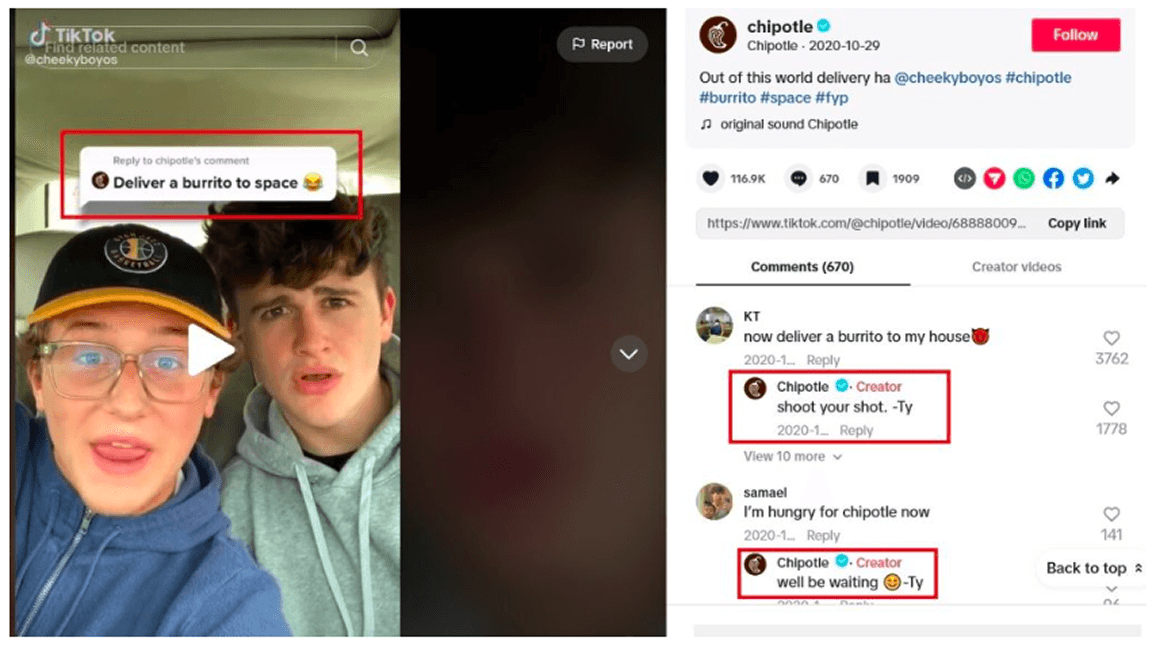
When Chipotle noticed a surge of mentions and TikTok videos from Gen Z creators, it didn’t just observe it jumped in. The brand began monitoring trending hashtags related to burritos, delivery hacks, and food challenges. One viral moment “Send a Burrito to Space” became a massive social hit after Chipotle partnered with creators who amplified the fun. This made Chipotle a goto name for food memes and challenges, blending entertainment with engagement.
Strategy:
Outcome:
Chipotle’s social presence evolved from a restaurant brand to a pop culture participant. Through quick, authentic engagement, it built strong fan communities and boosted social mentions by millions, particularly among younger demographics.
4. Black Girl Sunscreen

Many people use and love Black Girl Sunscreen without tagging the brand directly. Instead of missing out on that love, the company actively tracks untagged mentions using smart social monitoring tools. By finding conversations where users talk about their products casually, Black Girl Sunscreen joins those moments with genuine appreciation or shares. This strengthens relationships with customers who didn’t expect the brand to even notice them creating delightful surprise moments.
Strategy:
Outcome:
This approach created a warm, connected community around the brand. Engagement rates soared as customers began tagging the company more often, hoping to be featured. Over time, Black Girl Sunscreen became a symbol of inclusivity and authenticity in the beauty industry.
5. Starface

Starface, known for its star-shaped acne patches, thrives on realness. The brand noticed that its biggest advocates weren’t influencers, they were everyday users sharing acne journey selfies. Instead of paying for polished ads, Star-face used social monitoring to find these organic posts (even untagged ones). They then reposted and celebrated those users on official accounts. This made fans feel seen and broke the stigma around skin imperfections.
Strategy:
Outcome:
Starface’s transparency built immense trust with Gen Z. The brand saw organic engagement skyrocket and its follower count triple. Its message of confidence over perfection resonated globally powered by genuine social listening.
6. Whole Foods

A single tweet can make a big difference. When one customer complained that Whole Foods had stopped carrying a specific trash bag brand, the grocery chain didn’t ignore it. Their social monitoring tool caught the mention instantly, prompting a personalized response. Whole Foods even followed up with questions about why the product mattered to the customer. It turned a one-off complaint into a public moment of genuine engagement.
Strategy:
Outcome:
This small but powerful act reinforced Whole Foods’ customer first image. The company earned public praise for listening and acting fast, showing how attentive social monitoring can humanize even a massive retail brand.
7. Arby’s
Arby’s didn’t need surveys to know what fans wanted, they just listened. By tracking conversations about sauces online, the brand discovered a surprising insight: people were obsessed with their dipping sauces and even feared running out. Instead of letting that insight go, Arby’s turned it into action, launching bottled versions of their sauces for retail sale.
Strategy:
Outcome:
The bottled sauce campaign became a huge hit, boosting both online engagement and in store sales. Arby’s proved that the best product ideas often come straight from the customer’s voice on social media.
8. Stanley
When a TikTok video went viral showing a Stanley cup surviving a car fire with ice still inside, the brand’s team noticed immediately. The social buzz was massive, filled with awe and admiration. Stanley’s CEO personally joined the conversation, offering to buy the car owner a new vehicle. This unexpected response turned a viral clip into an unforgettable act of kindness and authenticity.
Strategy:
Outcome:
The video and Stanley’s response gained millions of views, earning enormous goodwill. The company became a trending topic for all the right reasons and saw sales spike dramatically, proof of how attentive social monitoring can turn virality into lasting brand love.
9. CoverGirl

In 2023, CoverGirl faced slipping sales as audiences lost trust in celebrity driven ads. Social listening changed everything. By analyzing online conversations, CoverGirl discovered that customers now preferred authenticity from smaller creators. Acting fast, the brand built studios in cities like New York and Miami for micro influencers to film real, unfiltered content using CoverGirl products.
Strategy:
Outcome:
The pivot paid off. CoverGirl’s earned media value rose significantly, and its 2024 results showed strong double digit growth. Social monitoring didn’t just improve marketing, it transformed CoverGirl’s relationship with consumers and creators alike.
10. McDonald’s
When photos of $18 Big Macs went viral in early 2024, McDonald’s found itself under fire. Social media exploded with outrage about price increases, and mentions of McDonald’s skyrocketed, most of them negative. Monitoring data showed a sharp sentiment drop during January–March 2024, forcing the brand to act fast. Instead of staying silent, McDonald’s responded by launching a $5 meal deal and publicly promising to slow down price hikes.
Strategy:
Outcome:
The $5 meal deal helped stabilize sentiment and restore partial customer trust. By addressing social criticism with action, McDonald’s demonstrated how listening can prevent long term brand damage and even turn negativity into recovery.
11. Nike
When Nike featured NFL player Colin Kaepernick in a bold ad campaign, it immediately sparked controversy. Hashtags like #BoycottNike trended worldwide, and sentiment initially plunged. But Nike wasn’t blindsided; its social monitoring team tracked every mention, charted emotion shifts, and gauged where support was building. This allowed Nike to confidently stand by the campaign and let data, not panic, guide their response.
Strategy:
Outcome:
Within weeks, negative sentiment turned into admiration for Nike’s courage and values. The campaign boosted sales by 31% in the following quarter and solidified Nike’s reputation for purpose driven branding. Social monitoring proved vital in transforming controversy into conviction.
Conclusion
Social media monitoring isn’t just a marketing tool it’s a brand survival skill. The companies we’ve explored from Netflix and Zappos to Nike and CoverGirl prove that listening to your audience is the most powerful way to build trust, loyalty, and relevance. Whether it’s identifying trends, managing a crisis, or responding to feedback, the ability to interpret and act on real time data gives brands a competitive edge in an always on world.
The lesson? Don’t just post, pay attention. Every comment, tweet, or tag could be the key to your next big success story.