1. Instagram: Glossier’s User-Centric Magic

Glossier has transformed Instagram into more than a visual gallery; it’s a storytelling ecosystem. Their “Skin First, Makeup Second” campaign combines customer testimonials, micro-influencer content, and behind-the-scenes peeks that are raw, relatable, and authentic.
Why it works: Instagram thrives on visually-driven narratives. Glossier taps this by blending Stories, Reels, and posts, balancing real-time engagement with long-term brand imagery. Micro-influencers extend reach without breaking authenticity.
Takeaway: Use Instagram’s visual and interactive tools to amplify voices, not just visuals. Young audiences respond to relatability over polish.
Pro Tip: Feature real customers in Stories with interactive polls or Q&As. Engagement spikes when followers see themselves reflected in the content.
2. TikTok: Chipotle’s #GuacDance Phenomenon
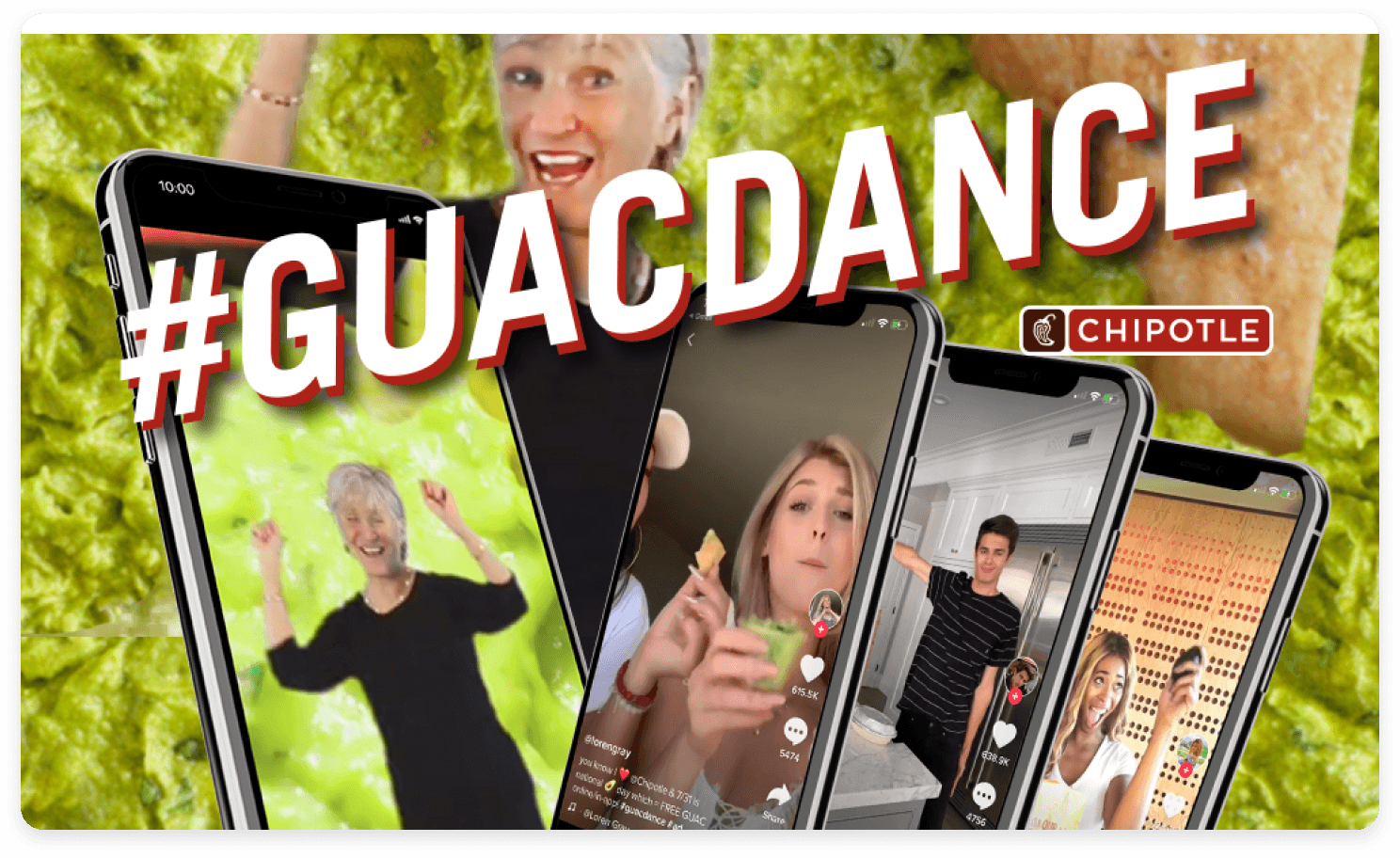
TikTok is all about participation and discovery. Chipotle’s #GuacDance challenge invited fans to share avocado-inspired moves. With influencer amplification, the campaign drew 250,000+ user-generated videos and became the platform’s top-performing branded challenge.
Why it works: TikTok rewards creative, playful content aligned with trends. Challenges invite participation, not passive viewership.
Takeaway: Integrate platform culture into your campaigns. Collaborate with creators, encourage participation, and design content that thrives in native formats.
Pro Tip: Tie challenges to tangible benefits, like Chipotle did with free guacamole incentives, to increase participation and foot traffic.
3. Facebook: Peloton’s Precision Targeting
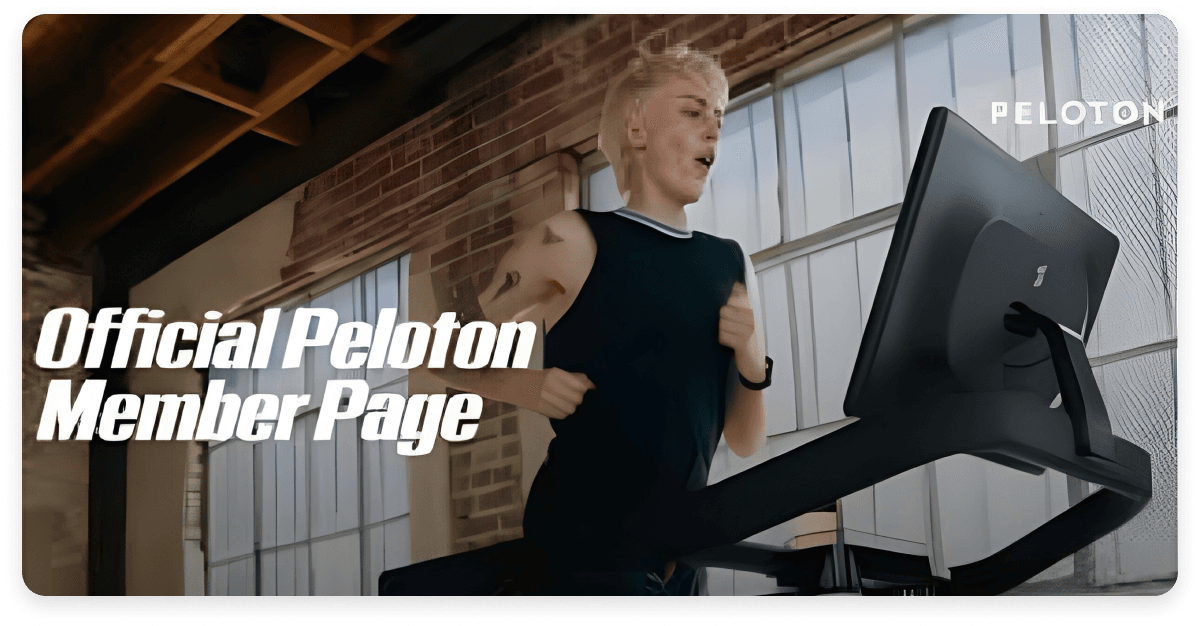
Peloton leverages Facebook’s ad ecosystem to hyper-target users with personalized videos featuring workout classes tailored to interests and fitness levels. Retargeting campaigns guide users seamlessly from awareness to subscription.
Why it works: Facebook still offers the richest audience data and ad formats for conversion-driven campaigns.
Takeaway: Personalization plus storytelling is Facebook’s sweet spot. Dynamic ads, carousel formats, and video can turn casual scrolls into action.
Pro Tip: Use split-testing on ad creatives to discover which messaging resonates most. Facebook’s detailed analytics allow iterative improvements for maximum ROI.
4. YouTube: Dove’s “Real Beauty Sketches”
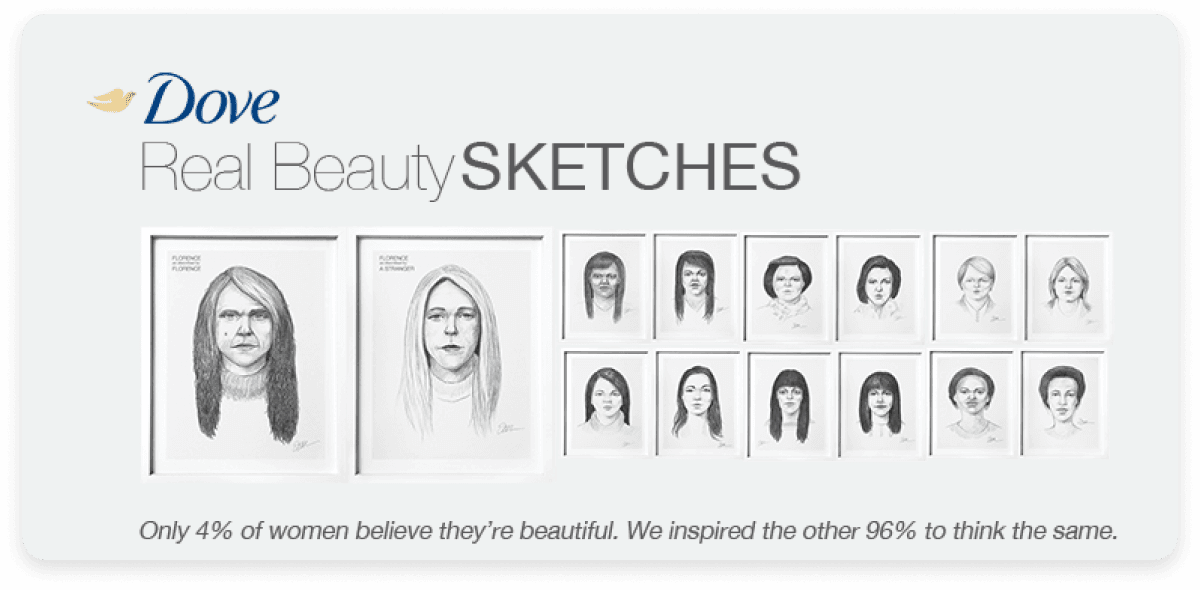
Dove’s campaign contrasted women’s self-perception with outsider descriptions, sparking conversations around beauty standards. YouTube’s long-form video allowed storytelling depth and emotional resonance.
Why it works: Emotional storytelling spreads virally and drives brand perception at scale. YouTube amplifies messages through both organic and paid reach.
Takeaway: Craft narrative-driven videos that provoke thought or emotion. Encourage shares to multiply and reach organically.
Pro Tip: Combine long-form storytelling with shorter highlight clips for cross-platform sharing.
5. LinkedIn: Salesforce’s Thought Leadership

Salesforce uses LinkedIn to share case studies, industry insights, and executive interviews. LinkedIn Live events connect leaders directly with decision-makers, strengthening trust and authority.
Why it works: LinkedIn is a professional environment where thought leadership is highly valued. Well-researched content positions brands as industry authorities.
Takeaway: Align content depth with platform sophistication. Use LinkedIn for high-value content, long-form articles, and interactive sessions that reinforce credibility.
Pro Tip: Encourage employees to share company content to increase reach and authenticity through personal networks.
6. Snapchat: ASOS’ Youth-Focused Engagement

ASOS uses Snapchat for ephemeral fashion reveals, AR filters, and time-sensitive promotions targeting Gen Z. The disappearing format encourages habitual engagement and excitement.
Why it works: Short-lived content drives frequent visits and keeps the brand top-of-mind for a fast-scrolling, younger audience.
Takeaway: Use urgency and novelty to maintain engagement. AR, filters, and ephemeral storytelling create playful brand interactions.
Pro Tip: Combine exclusive previews with countdowns or gamified interactions to boost urgency and engagement.
7. Pinterest: Etsy’s SEO-Optimized Discovery

Etsy treats Pinterest as both a social and a search engine. Each pin is visually rich, keyword-optimized, and links directly to product pages, turning inspiration into actionable ecommerce conversions.
Why it works: Pinterest users search with intent. They aren’t scrolling, they’re actively exploring solutions, products, and ideas.
Takeaway: Invest in SEO-friendly, visually compelling pins that convert inspiration into sales.
Pro Tip: Test pin formats, infographics, lifestyle shots, and tutorials to see which drives higher engagement and click-throughs.

Wendy’s Twitter is a masterclass in brand voice. From competitor roasts to witty responses to customers, it combines humor and relatability to spark virality and conversation.
Why it works: Bold, consistent personality fosters loyalty and shareability. Real-time interaction humanizes the brand.
Takeaway: Develop a unique voice that resonates with your audience. Engagement and humor are more valuable than sterile promotion.
Pro Tip: Monitor trending topics to respond contextually, keeping content relevant and timely.
Key Takeaways for Marketers in 2025
Choose Platforms Strategically: TikTok drives virality; LinkedIn builds authority; Instagram thrives on visuals; Pinterest sparks ecommerce discovery; Snapchat excites youth; YouTube allows storytelling depth. Pick wisely based on goals.
Respect Platform Culture: Native content is king. Short, participatory videos for TikTok, polished but relatable visuals for Instagram, authoritative long-form content for LinkedIn, and actionable, aesthetic pins for Pinterest.
Encourage Participation: Campaigns that spark engagement, UGC, challenges, and polls are amplified organically. Don’t broadcast; co-create with your audience.
Iterate Using Data: Analyze engagement, conversions, and virality. Adjust creative, targeting, and formats continuously to maximize ROI.
Creativity + Strategy = ROI: Bold ideas coupled with platform expertise generate loyalty, advocacy, and tangible results.
Conclusion
Social media platforms are more than just channels; they’re ecosystems, each with its own language, culture, and audience expectations. Instagram shines when brands tell stories through authentic visuals. TikTok rewards creativity, trends, and user participation. LinkedIn is the stage for professional authority and thought leadership. YouTube lets brands dive deep with long-form, emotionally resonant content. Pinterest turns inspiration into discovery and purchase.
The real mastery lies in matching your content to the platform’s DNA. Post like the platform thinks, not like your brand thinks. Use native tools, engage audiences on their terms, and design content that encourages interaction rather than passive viewing. When brands respect each platform’s unique strengths, they don’t just reach audiences, they connect, influence, and create measurable impact.