1. Ford – The Model T and the birth of mass marketing

In 1908, Henry Ford set out to make automobiles accessible to the everyday American, breaking away from the idea that cars were a luxury for the wealthy. His goal was simple put the world on wheels. He envisioned a future where every worker, farmer, and family could own a car not just admire it from a distance. The message he sent out was as powerful as his product a reliable car anyone can own. Ford wasn’t just selling a vehicle, he was selling empowerment the idea that freedom on four wheels was for everyone.
Strategy:
Ford adopted a mass marketing and mass production approach. He offered one standard model, the Model T, in one color black and focused on affordability, reliability, and functionality. The marketing message was universal a dependable car for everyone.
Outcome:
Ford turned the automobile from an elite privilege into an everyday necessity. His approach democratized mobility and made Ford a household name, establishing one of the most powerful examples of undifferentiated marketing in history.
2. Marlboro – Freedom and adventure without boundaries
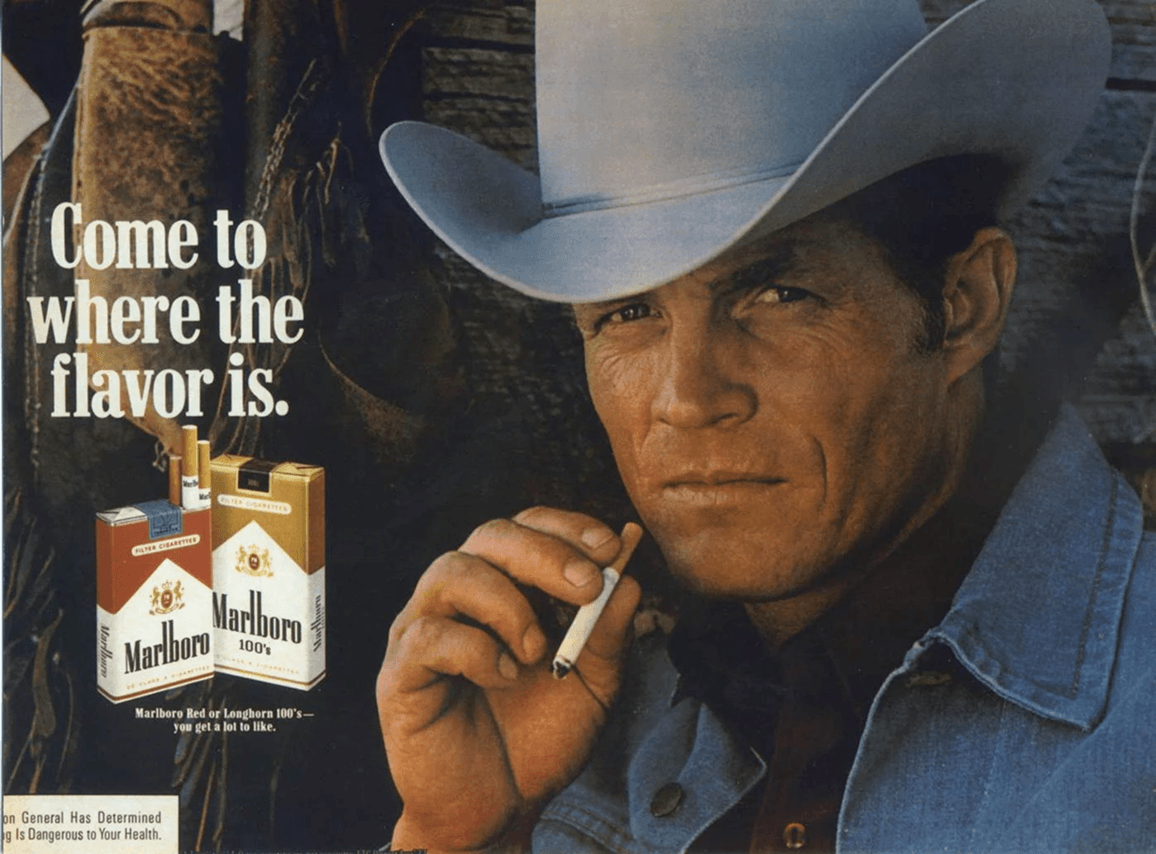
When Marlboro was first introduced in the 1920s, it was marketed as a cigarette for women with slogans like “Mild as May.” But by the 1950s, the brand was struggling. Smoking had become a mainstream habit, and Marlboro needed to reinvent itself or risk fading away.. The brand needed a bold new image to appeal to a broader audience.
Strategy:
Marlboro reinvented itself in the 1950s with the Marlboro Man, a rugged cowboy symbolizing freedom, adventure, and self-determination values that transcended gender, age, and culture. Its advertising emphasized universal emotions like strength and independence rather than demographics.
Outcome:
This emotional, undifferentiated branding transformed Marlboro into one of the world’s most recognized cigarette brands. Its storytelling created a timeless image of individuality that resonated globally.
3. M&M’s: Melts in your mouth, not in your hand
 M&M’s wanted to appeal to everyone who loves chocolate from kids to adults without excluding any specific audience segment. Since their debut during World War II, M&M’s have represented simple joy in colorful form. Originally designed for soldiers who needed chocolate that wouldn’t melt easily, these candy-coated chocolates quickly became a global favorite. M&M’s didn’t chase trends or segment their audience. Instead, they leaned into one universal truth everyone loves chocolate and fun.
Strategy:
Their campaigns centered around a simple, universal pleasure, the joy of eating chocolate. The slogan Melts in your mouth, not in your hand highlighted product quality and convenience. Playful animated M&M’s characters and colorful visuals made the brand fun and relatable for all ages.
Outcome:
By keeping its message inclusive and lighthearted, M&M’s became a global icon of fun and sweetness. Its consistent, family-friendly appeal sustained its popularity across generations.
4. Charmin: The happy bear campaign

Charmin faced the challenge of making an everyday product like toilet paper emotionally appealing to all audiences. Toilet paper isn’t exactly a glamorous product to market. Most brands focus on functionality, but Charmin saw an opportunity to make people feel something about comfort and cleanliness emotions everyone can relate to.
Strategy:
Through the Charmin Bears, the brand used humor, warmth, and family-oriented storytelling to create a universal connection. The bears represented comfort and cleanliness—values everyone relates to—while maintaining a fun, approachable tone through campaigns like Enjoy the Go.
Outcome:
Charmin successfully turned a mundane household item into a lovable brand. Its cheerful advertising and emotional simplicity made it appealing across all age groups and lifestyles.

Bic started with a mission to make essential tools like pens, lighters, and razors accessible to everyone. In a world that often glorified luxury and innovation, Bic built its empire on something beautifully simple reliability. The French company started small in 1945, producing pens that worked perfectly every time. No leaks, no luxury, just performance. The brand’s ads rarely featured celebrities or glamor. Instead, they highlighted how ordinary people rely on Bic every day to sign papers, light candles, or shave before work. That honesty became its strongest marketing tool.
Strategy:
The brand built its identity around simplicity, practicality, and reliability. Instead of segmenting by lifestyle or income, Bic marketed its products as universally useful writes the first time, every time. The communication emphasized function over luxury, consistency over complexity.
Outcome:
This no-frills, undifferentiated approach made Bic synonymous with dependability and value. Its products became staples across homes, schools, and offices worldwide.
6. Amul – The taste of India
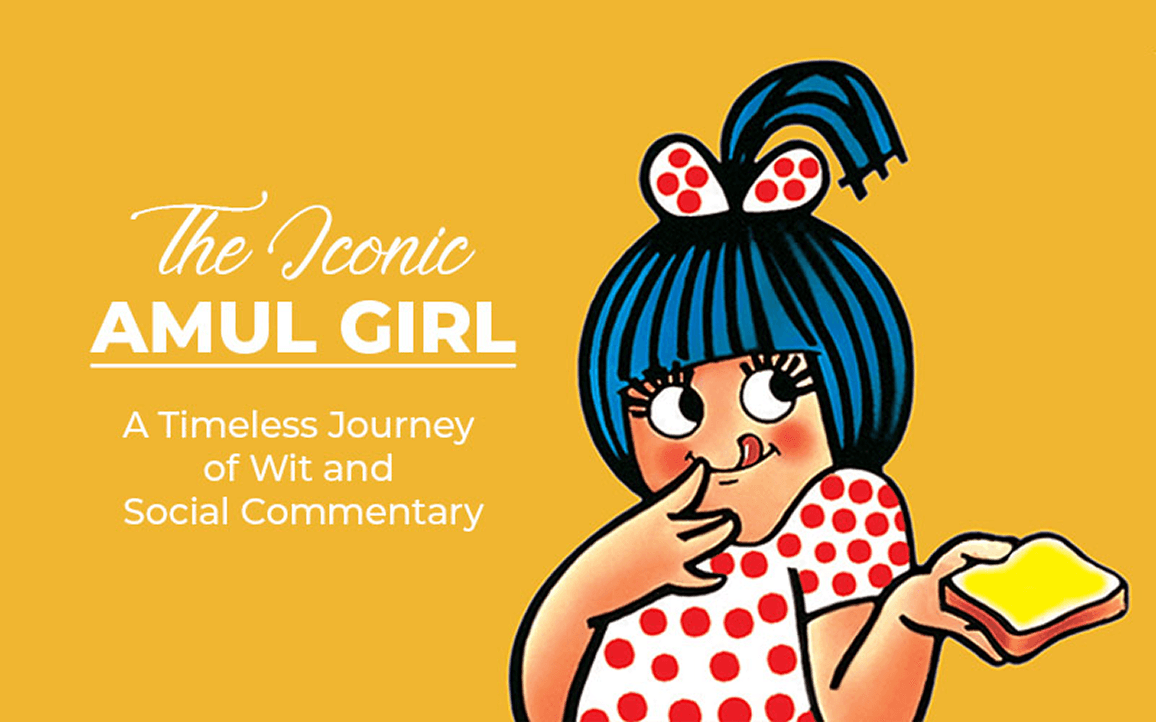
Amul aimed to represent India’s diversity and unity through its dairy products. From urban households to rural villages, it sought to connect emotionally with every Indian. Amul’s products reached homes across villages and cities alike. Its advertising celebrated shared national experiences rather than targeting any demographic slice. Amul made every Indian feel like part of the same big family.
Strategy:
The brand adopted inclusive storytelling through the Amul Girl an iconic cartoon character who humorously commented on current events and culture. Campaigns like The Taste of India and Utterly butterly delicious built emotional resonance by celebrating shared national moments and everyday life.
Outcome:
Amul became more than a brand it became a cultural symbol. Its message of unity, trust, and happiness resonated with generations, making it one of India’s most loved household names.
7. Parle-G – The biscuit for everyone
 Parle-G started with the goal of providing affordable nutrition to every Indian, especially during times when resources were limited. The brand’s emotional advertising showcased small, heartwarming moments a child studying, a mother sharing a biscuit, a family gathering at tea time connecting across generations with themes of simplicity, care, and everyday joy.
Strategy:
By focusing on simplicity, affordability, and emotional connection, Parle-G positioned itself as the common man’s biscuit. Its nostalgic advertising showcased family moments, education, and care values shared by all demographics.
Outcome:
Parle-G became a staple across India, from rural villages to urban cities. Its consistent, inclusive messaging built deep emotional loyalty, turning it into one of the world’s best-selling biscuits.
8. Clorox – Universal hygiene and safety for All
 As a cleaning brand, Clorox wanted to assure safety and trust for every household especially during global health crises. At a time when fear and uncertainty gripped the world, Clorox didn’t segment its audience it spoke to everyone.
Strategy:
Clorox focused on a universal message of cleanliness and protection with the slogan Clean means Clorox. Its campaigns emphasized reliability and reassurance across all demographics, using mass media to reach families, businesses, and communities alike.
Outcome:
By addressing the shared human desire for hygiene and safety, Clorox built a global reputation for trust and dependability, especially during the pandemic era.

From its inception, Google’s vision was to make information accessible and useful for everyone not just the tech savvy or privileged few. When Google was founded, it wasn’t just another tech company it was a mission. The founders wanted to make the world’s information universally accessible and useful. This mission shaped every product, from Search to Maps to Gmail, all built for one goal helping everyone, everywhere. The brand never needed to differentiate between users because curiosity itself is universal.
Strategy:
Google’s undifferentiated approach focuses on simplicity, universality, and emotional storytelling. Campaigns like Year in Search highlight shared human experiences. Its design and tools remain intuitive, ensuring that anyone from a student to a CEO can use them effortlessly.
Outcome:
Google became a global essential a brand that unites people through curiosity, connection, and knowledge. Its inclusive mission turned it into one of the most trusted and universally loved companies in the world.
10. Walmart – Everyday low prices for everyone

Walmart’s mission has always been clear, help people save money and live better, no matter who they are or where they live. When consumer goods were becoming more expensive and fragmented, Walmart emerged with a revolutionary idea make shopping affordable for everyone. Walmart promised quality and convenience at prices ordinary families could afford.
Strategy:
The company uses a broad based, value driven marketing strategy built around its famous slogan Save Money. Live Better. Its messaging focuses on affordability, convenience, and accessibility—appealing to all socioeconomic groups.
Outcome:
Walmart became one of the largest retail empires in the world. Its consistent, inclusive promise of value has built trust and loyalty among millions of customers across diverse backgrounds.
Conclusion
Undifferentiated marketing shows that sometimes, one simple message can speak to everyone. Brands have proven that when you focus on what people share like joy, trust, comfort, and everyday needs, your brand becomes part of their lives. These companies don’t try to divide people into small groups instead, they celebrate what connects us all. Whether it’s a cup of tea with Parle-G or a comforting taste of Amul butter, they remind us that good products and honest emotions don’t need complicated marketing. In the end, the strongest brands are the ones that make everyone feel included no matter who they are or where they’re from.