1. Dropbox
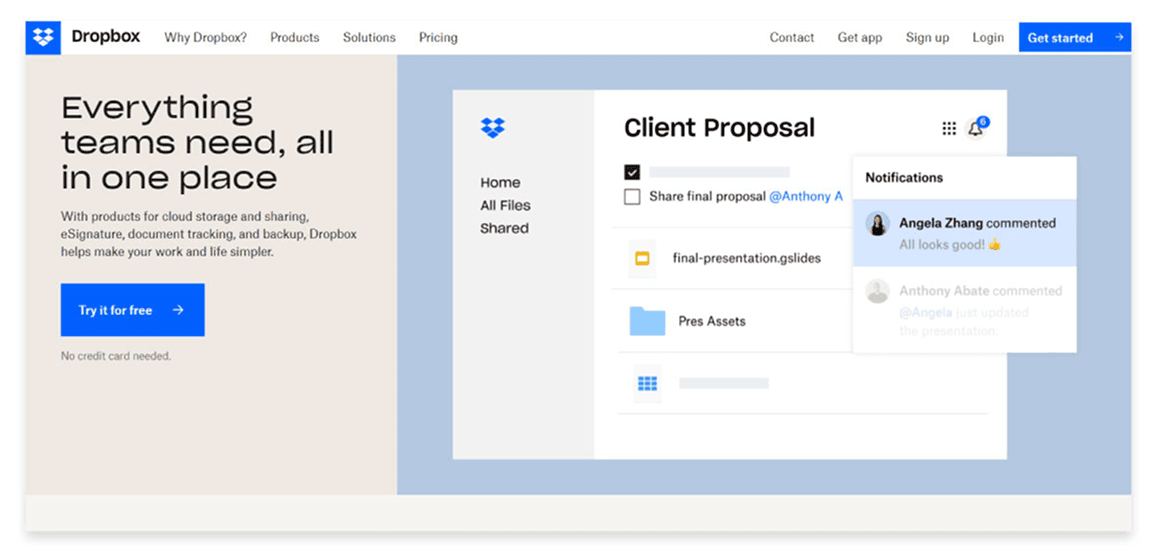
When Dropbox first launched, it faced a huge challenge: how to grow in a crowded market without spending millions on advertising. Instead of flashy campaigns, the founders realized that the best promoters were already using the product to satisfy their users. Dropbox decided to turn this enthusiasm into action. They introduced a referral program where users could earn extra storage space by inviting friends. This simple, user-driven system made sharing both rewarding and easy, turning customers into active marketers.
 Strategy:
Offered additional cloud storage to both referrers and invitees for each successful sign up.
Made sharing effortless with built in referral links via email, social media, and messaging.
Outcome:
The referral campaign fueled explosive growth. Dropbox grew from 100,000 to 4 million users in just 15 months, all thanks to peer recommendations. The company’s cost per acquisition dropped significantly compared to traditional marketing methods. Most importantly, this strategy strengthened user loyalty and turned everyday customers into brand advocates, a perfect example of word-of-mouth power at scale.
2. Tesla
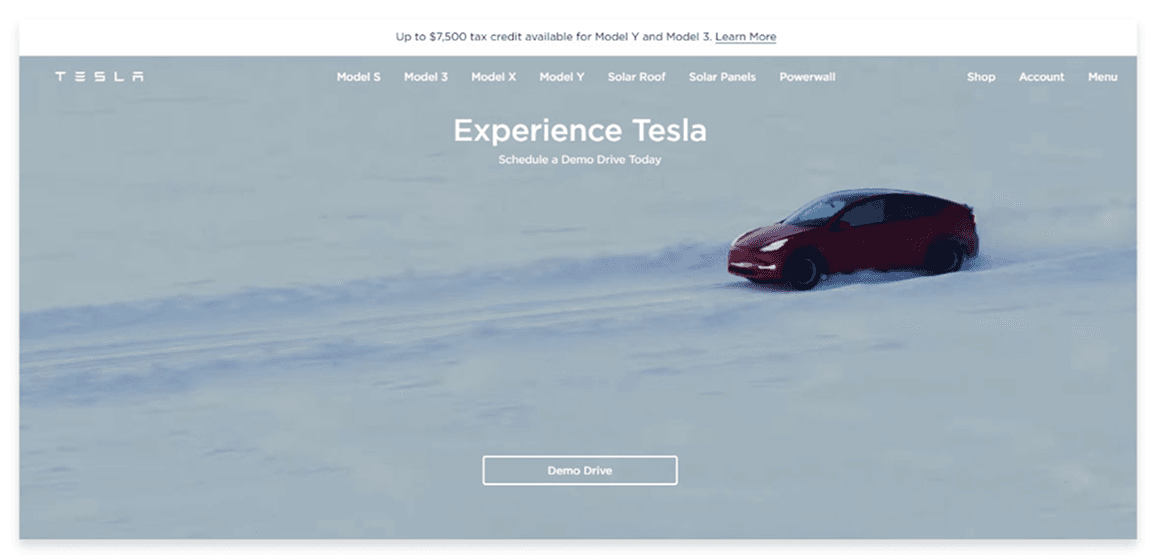
Tesla is one of the few companies that built a global brand without traditional advertising. Instead, it relied on its passionate customer base. Tesla owners often become advocates sharing stories, videos, and reviews about their cars’ performance, sustainability, and technology. Elon Musk’s charisma and social media engagement further amplify the buzz, creating an organic ecosystem where fans market the brand out of genuine excitement.
 Strategy:
Focused on building exceptional products that deliver memorable experiences.
Encouraged user generated content through online communities, referrals, and social media engagement.
Outcome:
Tesla’s customers became its most powerful marketing engine, helping it reach billions of people globally. Without spending on ads, Tesla achieved one of the strongest brand loyalties in the auto industry. The authenticity of customer stories built unmatched credibility and emotional connection with new audiences.
3. Coca-Cola
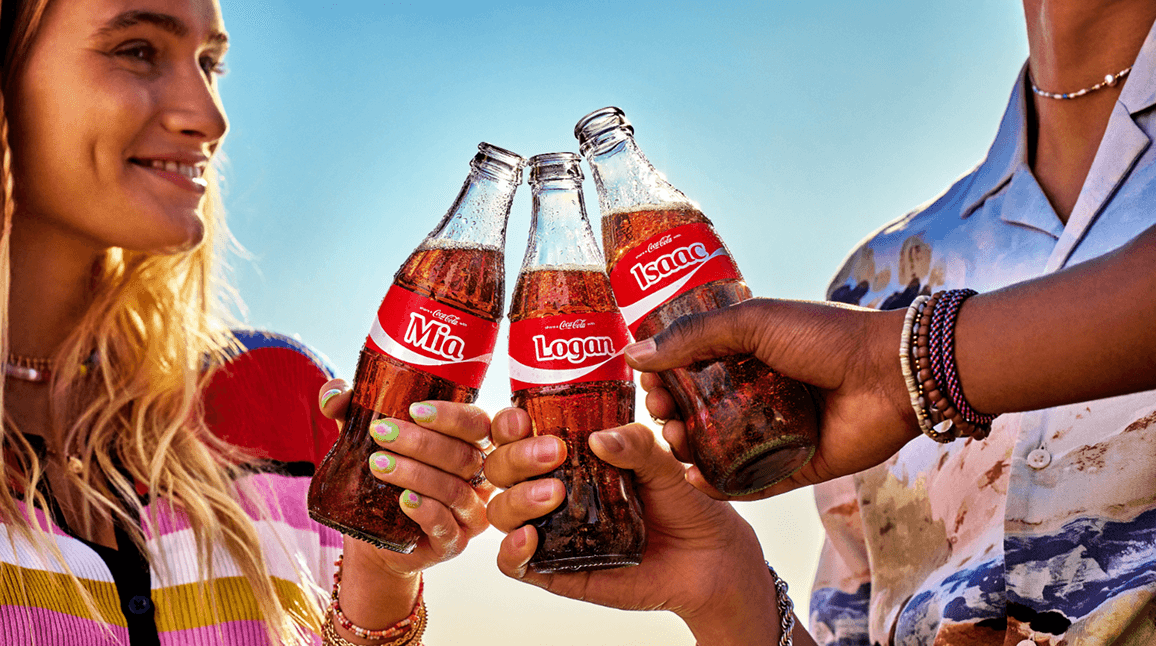
Coca-Cola’s “Share a Coke” campaign was a global cultural moment. Instead of its iconic logo, Coke printed popular names on bottles, encouraging customers to find and share a Coke with someone they cared about. This small but powerful personalization sparked millions of social media posts, selfies, and heartfelt stories. Suddenly, Coke wasn’t just a drink it was a symbol of connection and togetherness.
 Strategy:
Outcome:
The campaign generated over 500,000 photos shared online and increased Coca Cola’s U.S. sales by more than 2% after years of decline. It became one of the most successful word-of-mouth campaigns ever, turning a simple soda into a deeply personal experience for millions.
4. Halo Top
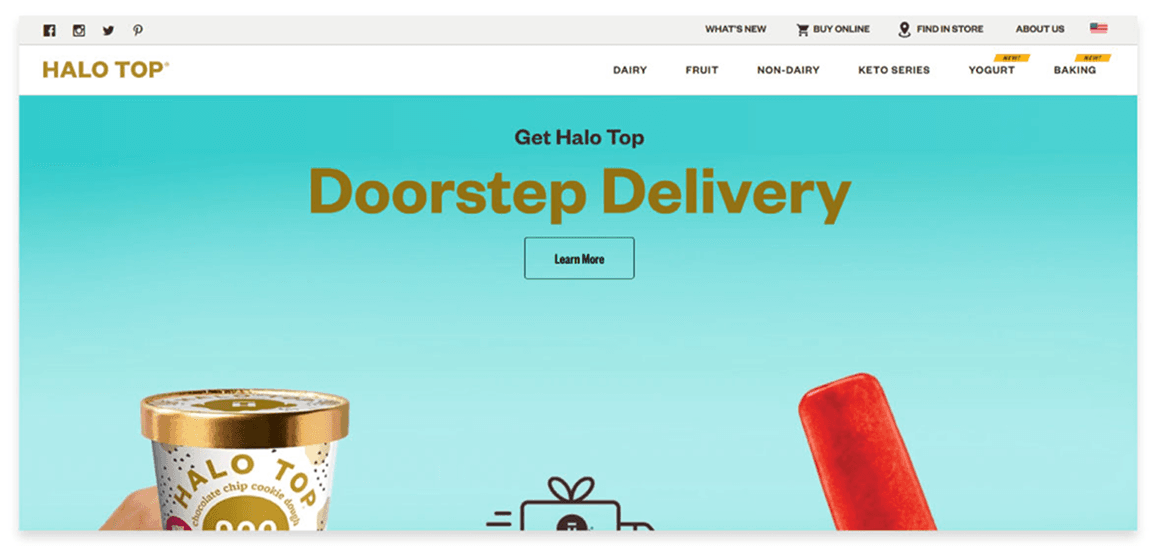
Halo Top disrupted the ice cream industry with a simple promise: indulgence without guilt. Offering low calorie, high protein ice cream, the brand caught the attention of fitness enthusiasts and dessert lovers alike. But what really drove growth was word-of-mouth fans eagerly recommended Halo Top on social media, calling it “the ice cream that fits my diet.” This genuine excitement made the brand feel like a community rather than a company.
 Strategy:
Outcome:
Halo Top became the best-selling pint of ice cream in the U.S. by 2017, surpassing even Ben & Jerry’s. The buzz generated by fans and influencers fueled massive organic growth. The brand proved that when customers love what you stand for, they’ll happily spread the word for you.
5. 23andMe
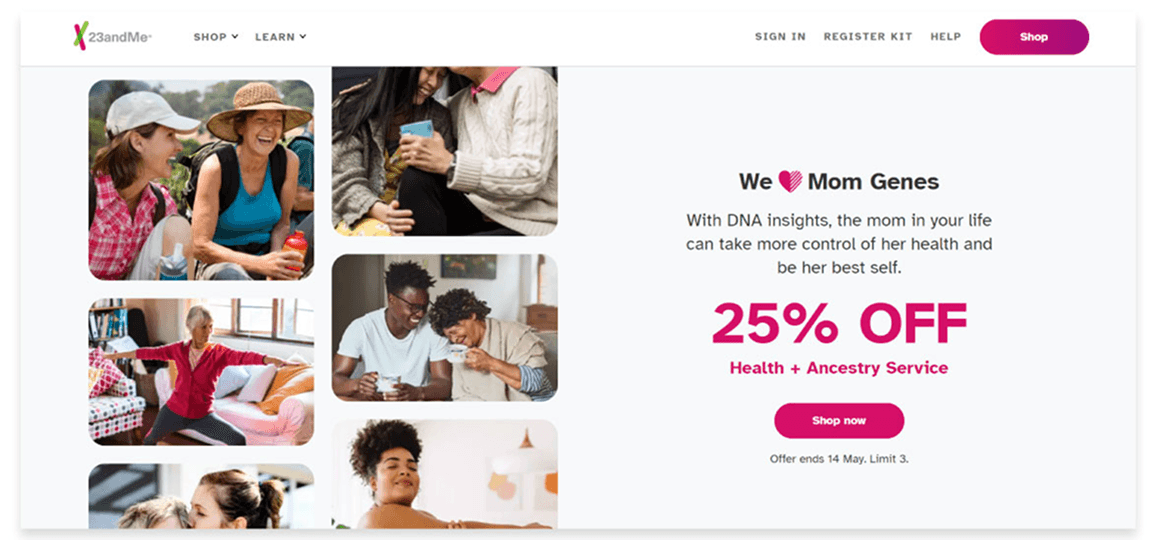
23andMe turned curiosity about ancestry into a global conversation. The company’s DNA testing kits allowed users to uncover their heritage and health insights something people were naturally eager to share. Social media soon filled with emotional stories of people discovering long-lost relatives or uncovering surprising heritage connections. These deeply personal experiences became the foundation of 23andMe’s viral growth.
 Strategy:
Encouraged storytelling by sharing user experiences and reunion stories online.
Built credibility through education, expert content, and transparent health insights.
Outcome:
Word-of-mouth drove millions of kit sales globally, positioning 23andMe as a pioneer in personal genomics. The authentic stories shared by customers built trust and emotional resonance, helping the brand grow faster than competitors relying on ads alone.
6. Headspace
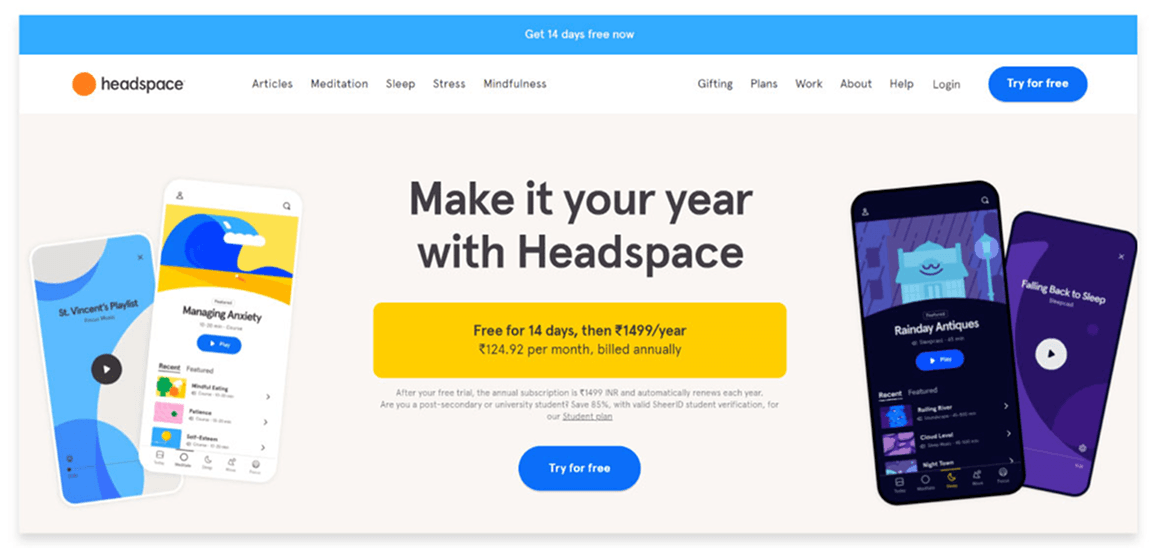
When Headspace launched, meditation apps weren’t mainstream. But users who tried it loved how simple and effective it was and they couldn’t stop recommending it to friends. From college students battling stress to professionals seeking focus, Headspace became a quiet revolution driven by shared experiences. People weren’t just using it, they were advocating for mental wellness.
 Strategy:
Outcome:
Headspace reached millions of downloads globally, largely through referrals and organic media coverage. It became synonymous with mindfulness, proving that genuine value and simplicity can drive strong word-of-mouth in even the most crowded markets.
7. Allbirds
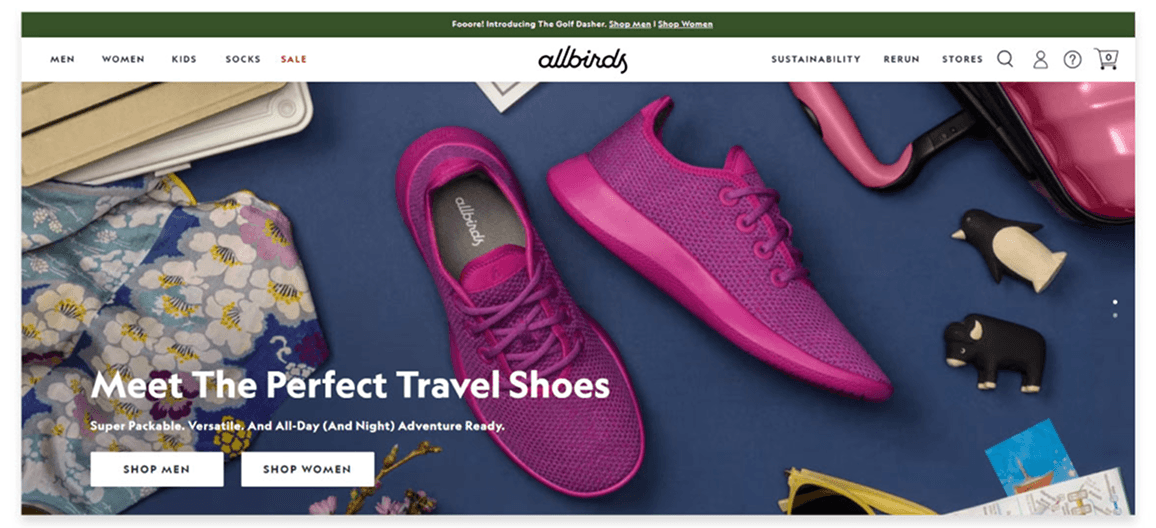
Allbirds started with a mission to make comfortable, sustainable shoes. Using eco-friendly materials like merino wool and eucalyptus fiber, they created stylish footwear that appealed to conscious consumers. Early adopters began sharing how good the shoes felt and how great they were for the planet. The buzz spread fast among sustainability communities, fashion lovers, and tech workers alike.
 Strategy:
Outcome:
Allbirds became one of the fastest-growing footwear brands in the world, valued at over $1 billion. Its reputation as the “world’s most comfortable shoes” was built almost entirely on authentic customer advocacy, a testament to purpose driven word-of-mouth marketing.
8. Slack
Before Slack became the workplace communication giant it is today, it was just another startup trying to gain traction. What set it apart was how much users loved the product and told others about it. Teams that adopted Slack couldn’t stop recommending it to colleagues and other organizations. The app spread organically from small startups to Fortune 500 companies, powered by nothing but user enthusiasm.
 Strategy:
Outcome:
Slack grew to over 1.25 million paid users through organic promotion. With nearly no traditional advertising, it became the go-to communication tool for teams worldwide. The company’s growth proved that a great product experience is the best form of marketing.
9. ALS ice bucket challenge
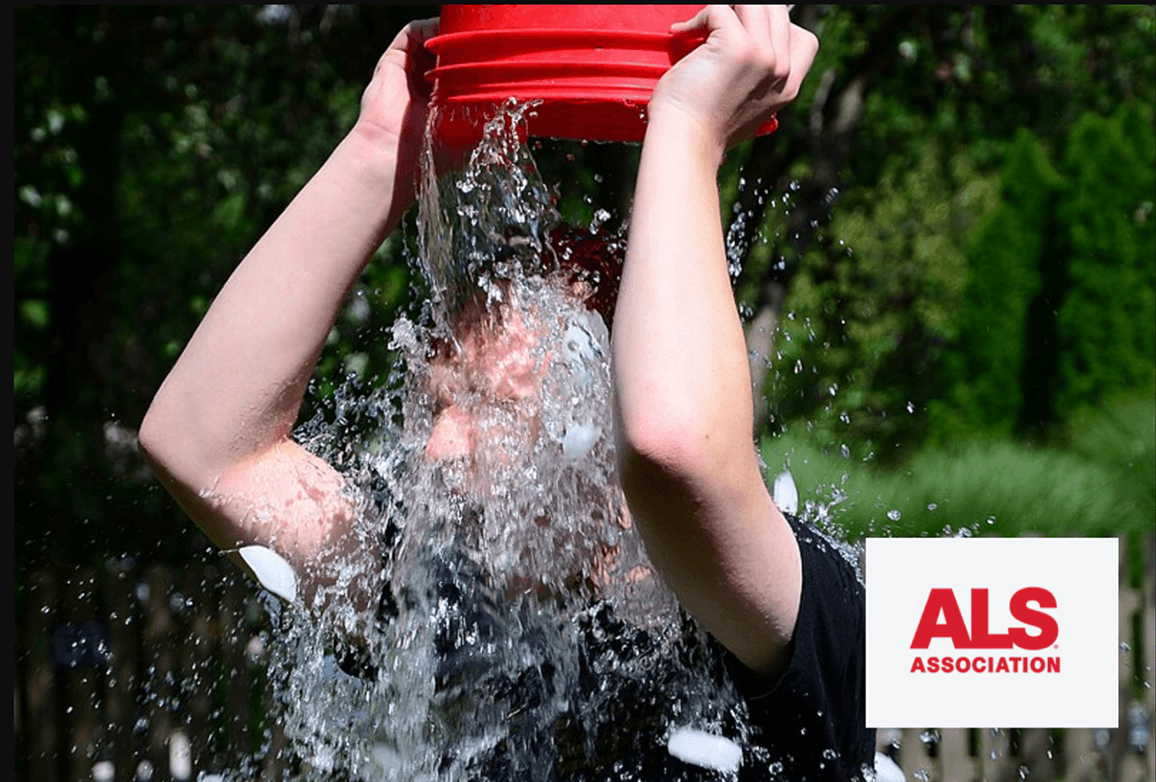
In the summer of 2014, social media was flooded with videos of people dumping buckets of ice water over their heads. What looked like a silly trend was actually a brilliant word-of-mouth campaign to raise awareness for ALS (Lou Gehrig’s disease). Participants nominated others to join within 24 hours, creating a ripple effect that spread globally. Celebrities, athletes, and millions of everyday people joined in and the world watched.
 Strategy:
Used a simple, shareable challenge format with a social nomination chain.
Leveraged social platforms to encourage participation and donations simultaneously.
Outcome:
The ALS Association raised over $115 million from the campaign and reached unprecedented global awareness. The Ice Bucket Challenge became a cultural phenomenon and a gold standard in cause based word-of-mouth marketing.
10. TOMS
When TOMS introduced its “One for One” model donating a pair of shoes for every pair sold it wasn’t just selling footwear; it was selling purpose. Customers loved being part of a movement that made them feel good about their purchase. People proudly shared the story behind their TOMS shoes, inspiring others to buy and give back. The product became a statement of compassion and social change.
 Strategy:
Outcome:
TOMS became a global symbol of conscious consumerism, inspiring countless other brands to adopt similar models. The company’s growth was fueled almost entirely by organic advocacy, proving that when your mission resonates, customers become your loudest voice.
Conclusion
Word-of-mouth marketing isn’t about expensive ads, it's about creating experiences that people genuinely want to talk about. Whether it’s a simple referral program like Dropbox’s, a viral movement like the Ice Bucket Challenge, or a mission driven message like TOMS, the core lies in building trust and emotional connection.
When your customers believe in what you stand for, they don’t just buy your products, they share your story. And in today’s digital world, that can be the spark that takes your brand from unknown to unforgettable.