1. Amazon’s Recommendation Engine in Your Inbox
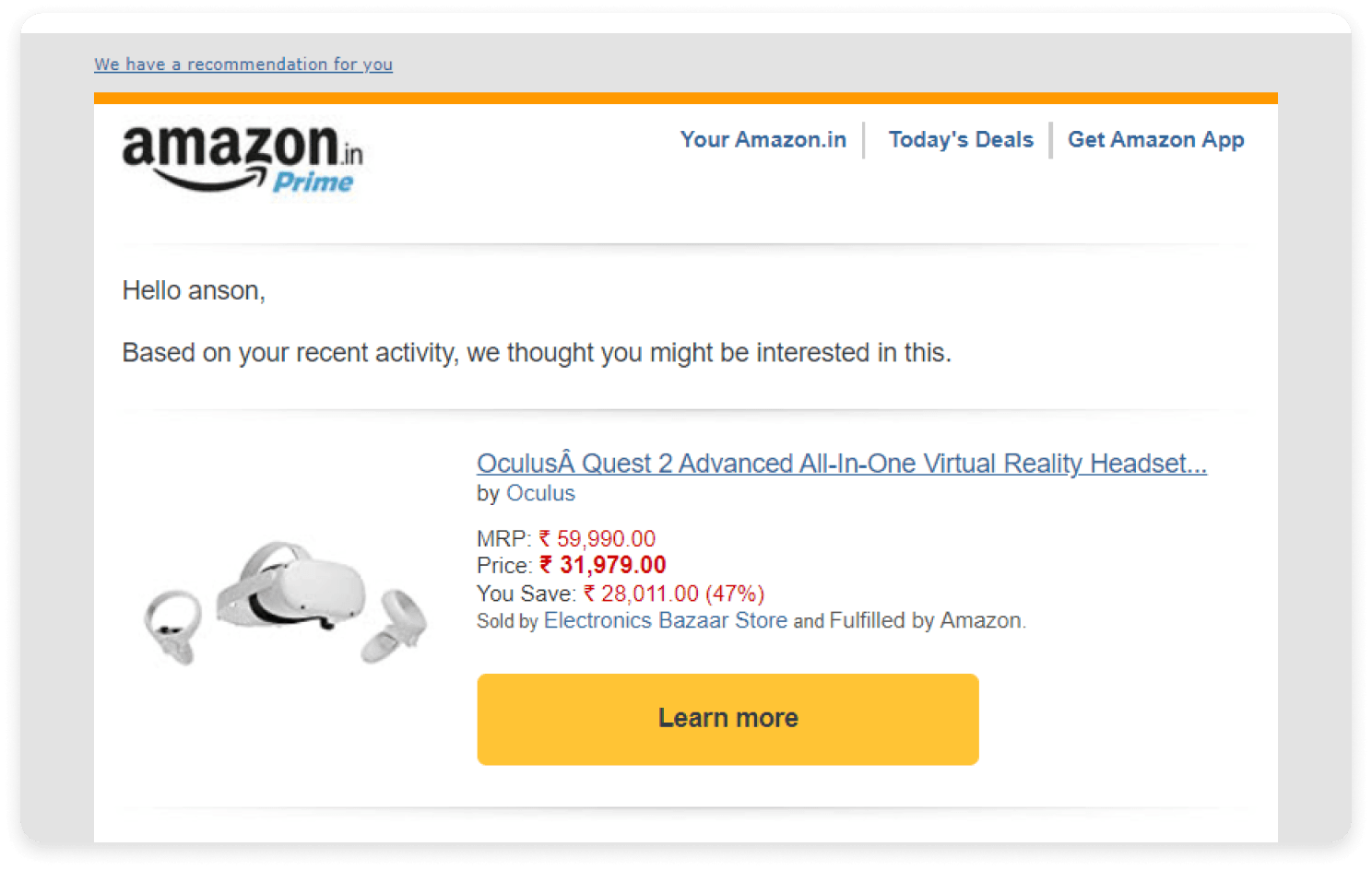
Amazon doesn’t just sell, it anticipates. Its direct marketing game is anchored in those eerily accurate recommendation emails: “You viewed this… you might like that.” Amazon’s AI-driven personalization drives notable increases in click-through and conversion rates, powering a significant share of its sales volume.
Why it works: It feels like a personal shopper who knows your habits. The power? Zero wasted words, maximum relevance.
Impact: Higher average order value, repeat purchases, and a psychological loop that keeps customers returning.
Marketer’s lesson: Personalization isn’t a “nice-to-have.” It’s the backbone of every effective direct campaign.
2. IKEA’s AR Catalog – Breathing Life Into Print

Catalogs are supposed to be relics. But IKEA didn’t ditch theirs; they upgraded it. By layering AR features, customers could scan pages and visualize furniture inside their homes. Metrics show improved catalog interaction time and a direct lift in both physical store foot traffic and digital conversions.
Why it works: It turned a passive piece of paper into an interactive shopping tool. Suddenly, the catalog wasn’t clutter, it was a design assistant.
Impact: Renewed engagement with a format most brands abandoned, driving in-store visits and online sales.
Marketer’s lesson: Don’t bury old channels. Reinvent them.
3. Uber’s City-Specific Campaigns
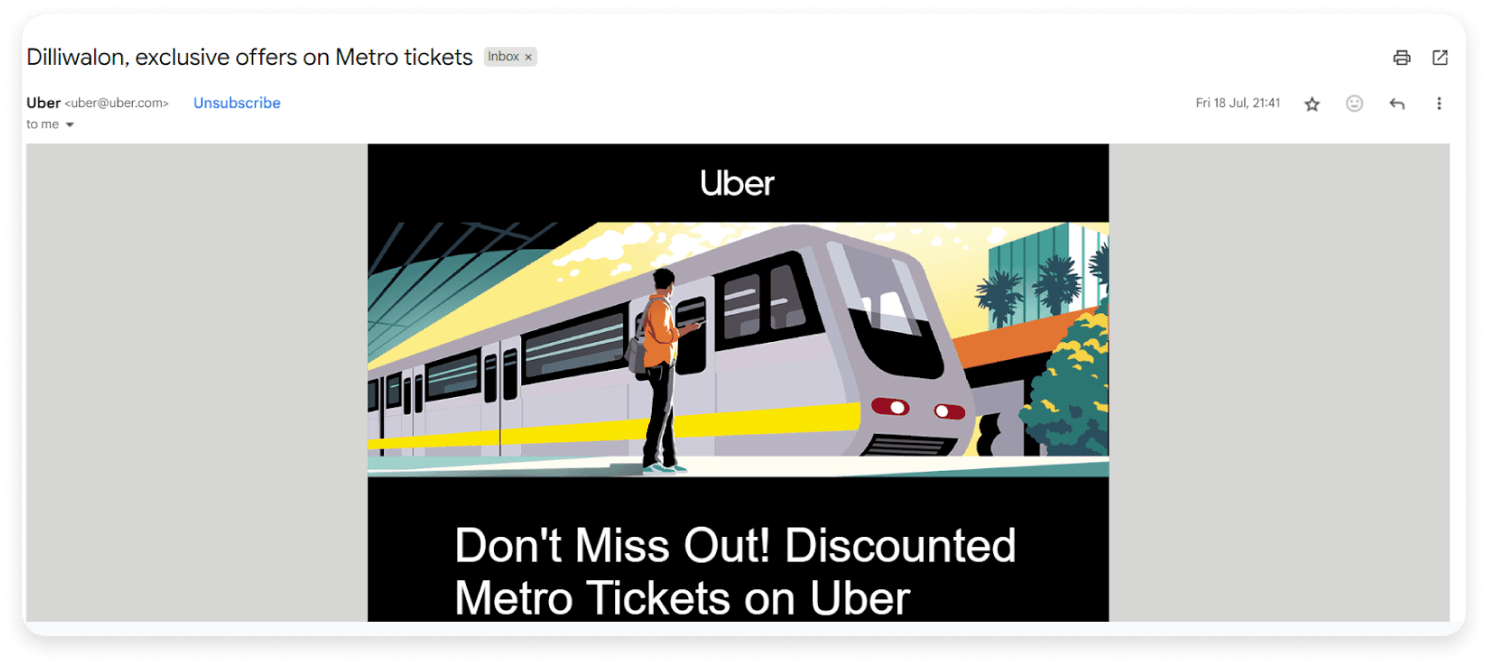
Uber doesn’t carpet-bomb promotions. Instead, it customizes offers to moments that matter, like discounts during Ganesh Chaturthi in Mumbai or concerts in New York or Metro ticket discounts in Delhi. Localized campaigns result in superior offer engagement and nurture loyal riding habits, effectively boosting Uber’s presence in each market.
Why it works: Context. A generic 20% off ride is forgettable. But a time-sensitive, city-specific offer feels made for you.
Impact: Higher redemption rates, improved local loyalty, and stronger community connection.
Marketer’s lesson: Scale is great, but relevance is greater.
4. Glossier’s Referral Emails – Turning Fans Into Sellers
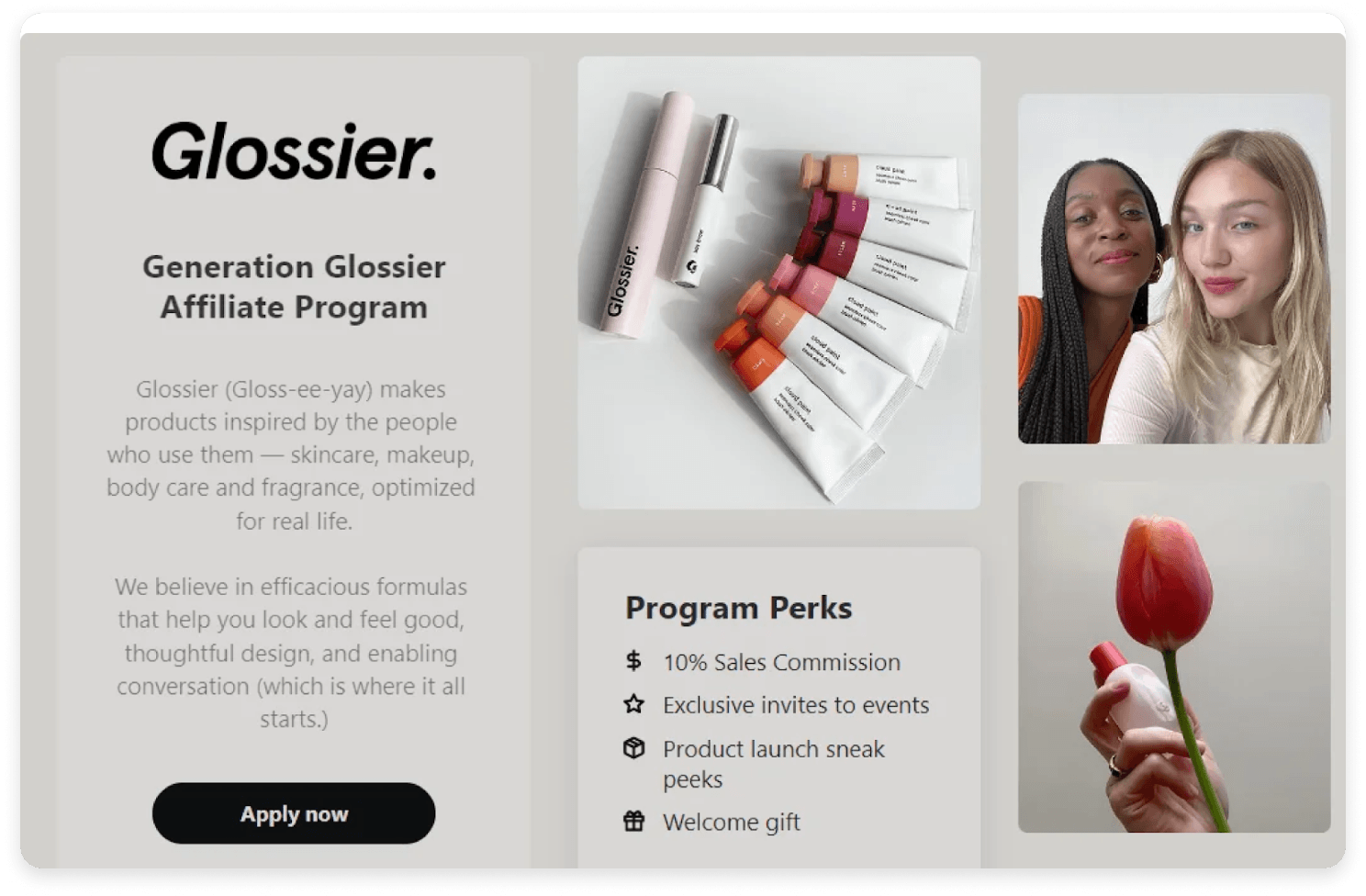
Glossier didn’t rise to fame by flooding Instagram with ads. Instead, it handed the mic to its customers through referral emails: share a code, and both you and your friend get perks. Referral conversions and customer lifetime value from these campaigns consistently outperform traditional acquisition channels.
Why it works: It blends direct marketing with word-of-mouth trust. When the message comes from a friend, not the brand, skepticism vanishes.
Impact: Viral-like customer growth at a fraction of acquisition costs.
Marketer’s lesson: Your best marketers are already in your customer base.
5. Airbnb’s “We Accept” – Values Delivered Directly
Airbnb’s 2017 Super Bowl ad made headlines. But the real magic? The follow-up emails reinforcing inclusivity with the tagline “We Accept.” Engagement rates and social sharing metrics highlight how effective direct channels are for reinforcing brand values.
Why it works: It wasn’t transactional. It was ideological. Direct marketing doesn’t have to sell; it can build emotional alignment.
Impact: Strengthened Airbnb’s reputation as more than a booking app, a brand that stands for something.
Marketer’s lesson: Direct channels are powerful for storytelling, not just selling.
6. Netflix’s “Because You Watched…”
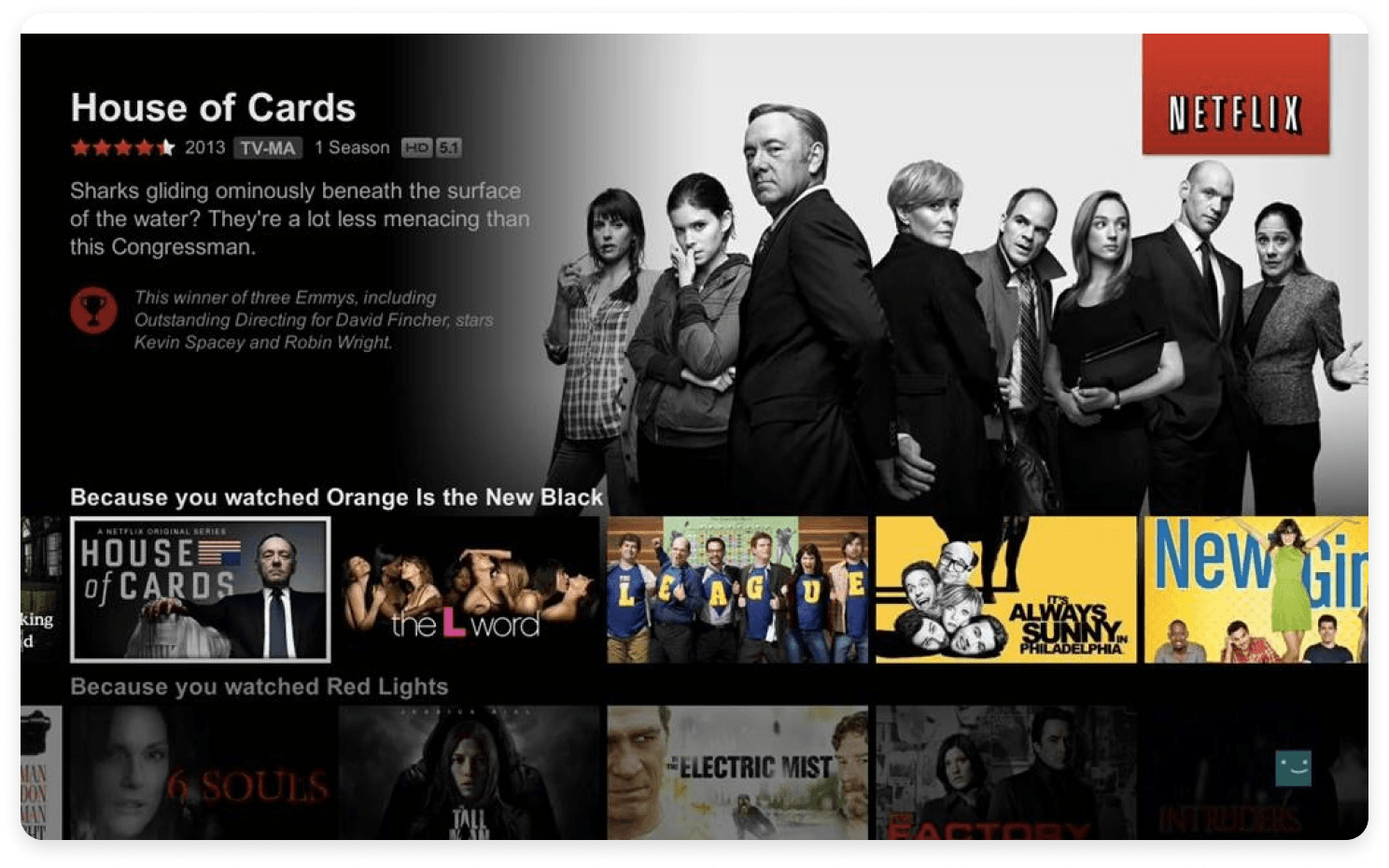
Netflix nails retention by making choices easy. Their direct marketing? Push notifications and emails like “Because you watched Money Heist…” followed by a curated suggestion. These personalized touchpoints significantly contribute to subscriber retention and average session length.
Why it works: Personalization reduces friction. Customers don’t need to scroll endlessly; they’re guided straight to content.
Impact: Lower churn, increased watch time, and cultural phenomena born from recommendations.
Marketer’s lesson: Sometimes, the best marketing is curation.
7. Domino’s AnyWare – Ordering With an Emoji
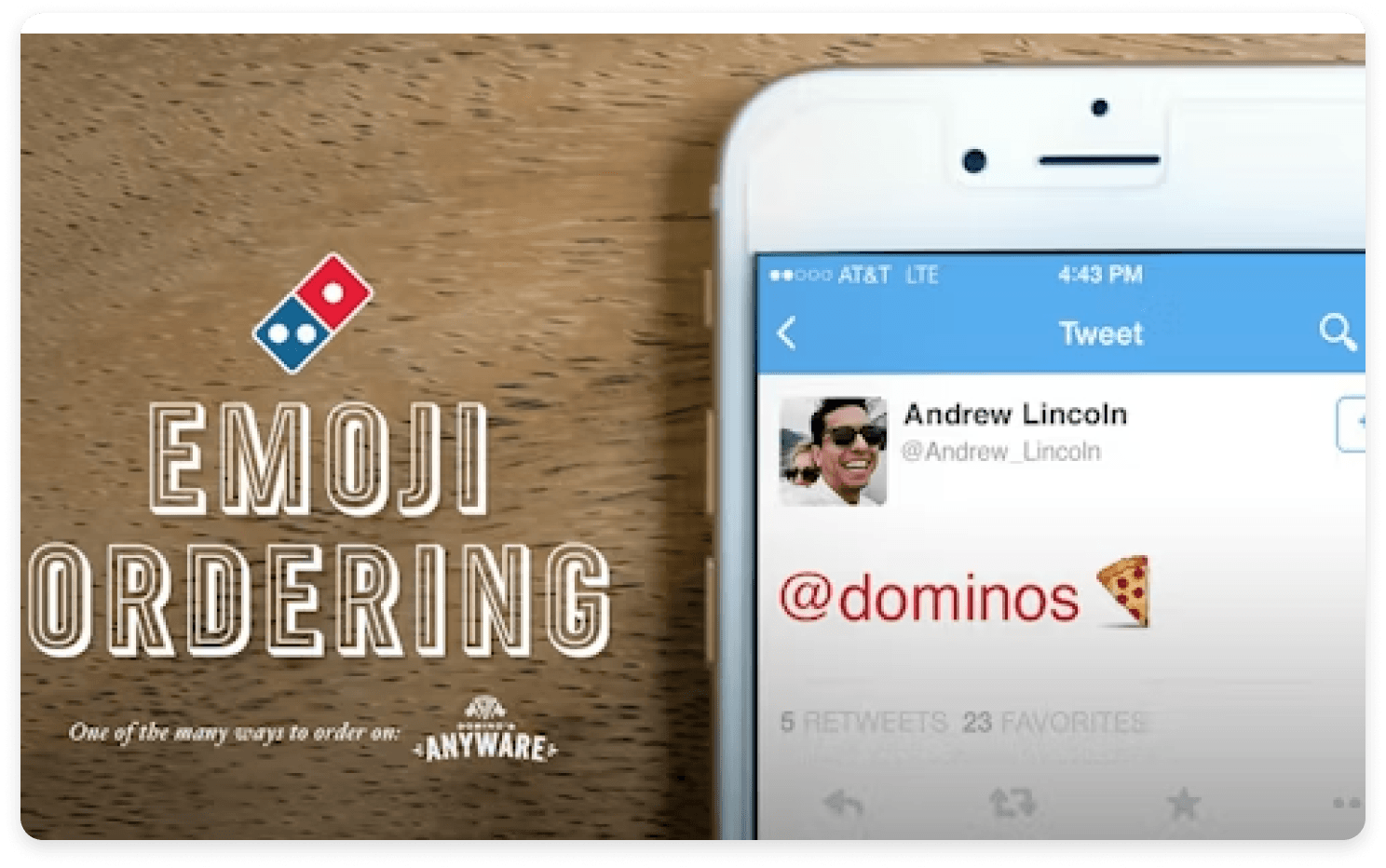
Domino’s redefined convenience. Want pizza? Send them 🍕 over text, Twitter, or a smartwatch. That’s not a gimmick, it’s frictionless marketing. The seamless ordering experience boosts order frequency and improves brand perception among digital-native consumers.
Why it works: It removes steps between craving and satisfaction.
Impact: Millions of “emoji orders,” positioning Domino’s as a tech-forward brand in a “boring” category.
Marketer’s lesson: Creativity that reduces effort always wins.
8. Spotify’s Data-Driven Quirkiness – “Thanks, 2016. It’s Been Weird.”
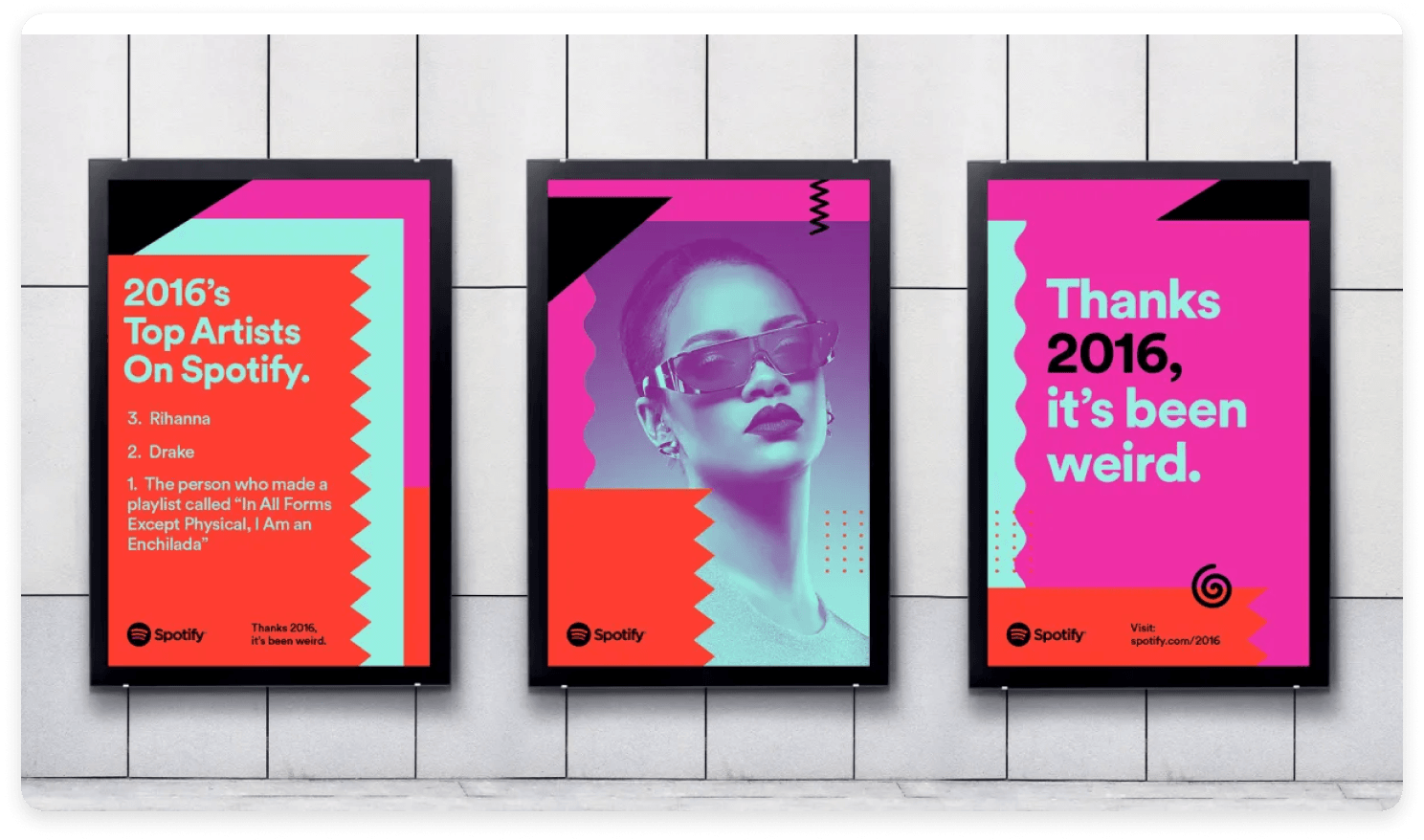
Before Wrapped became a ritual, Spotify ran quirky campaigns turning user data into witty lines. “To the person who played ‘Sorry’ 42 times on Valentine’s Day, we hope you’re okay.” These campaigns increase user engagement with the app and increase brand conversation on social channels.
Why it works: It made big data feel personal and funny. Suddenly, metrics were stories.
Impact: Viral buzz, PR love, and anticipation for future campaigns.
Marketer’s lesson: Data is dull until you humanize it.
9. Sephora’s Loyalty Emails – Status, Not Sales
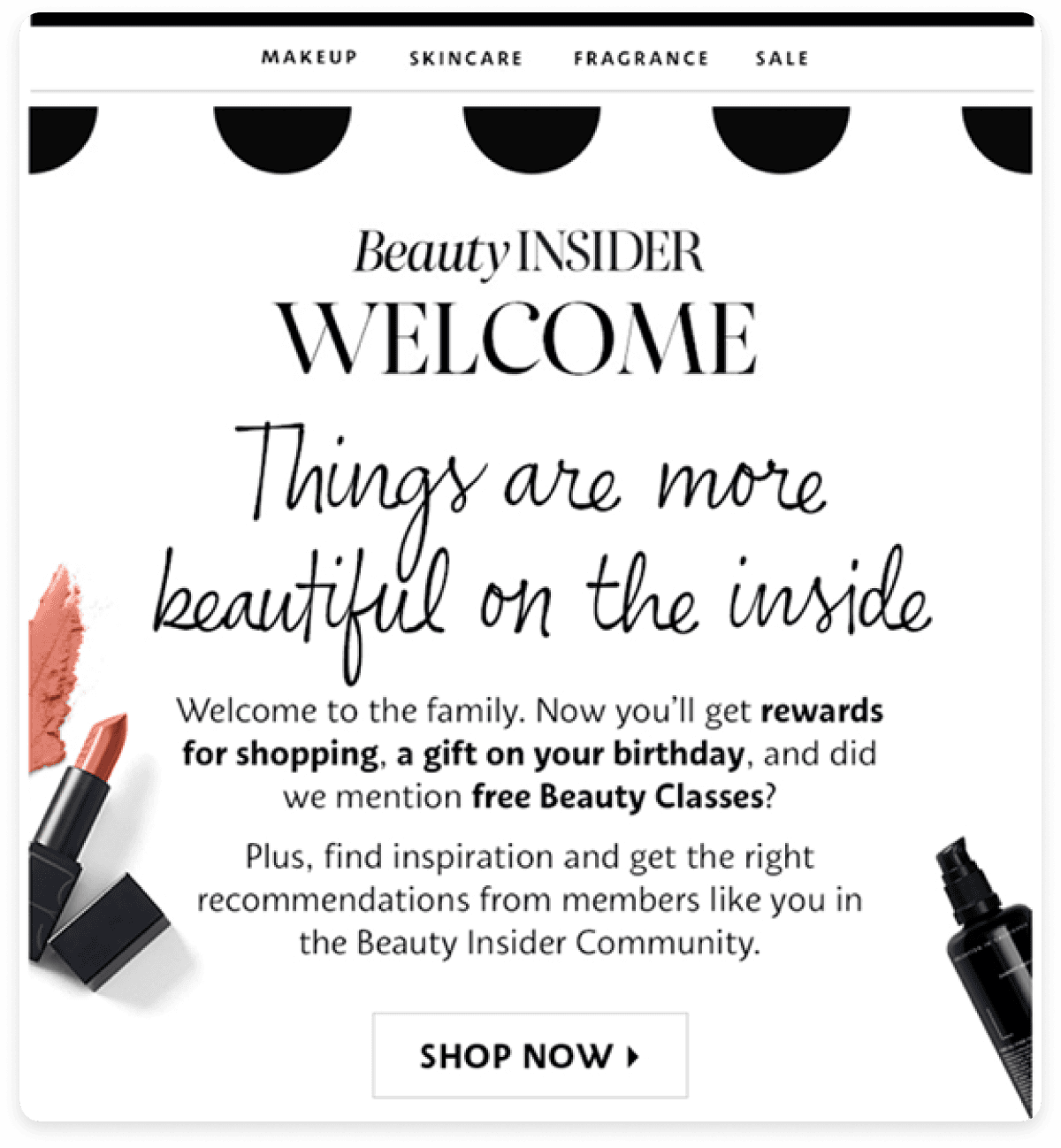
Sephora’s loyalty program isn’t just about discounts. Its direct emails track your points, highlight exclusive rewards, and even celebrate your birthday. Personalized milestone emails drive higher open rates and increased repeat purchases compared to generic promotional emails.
Why it works: It taps into human psychology, status, exclusivity, and achievement.
Impact: Sky-high engagement, stronger retention, and lifetime customer value.
Marketer’s lesson: Sell progress, not just products.
10. JioMart’s WhatsApp Commerce Push
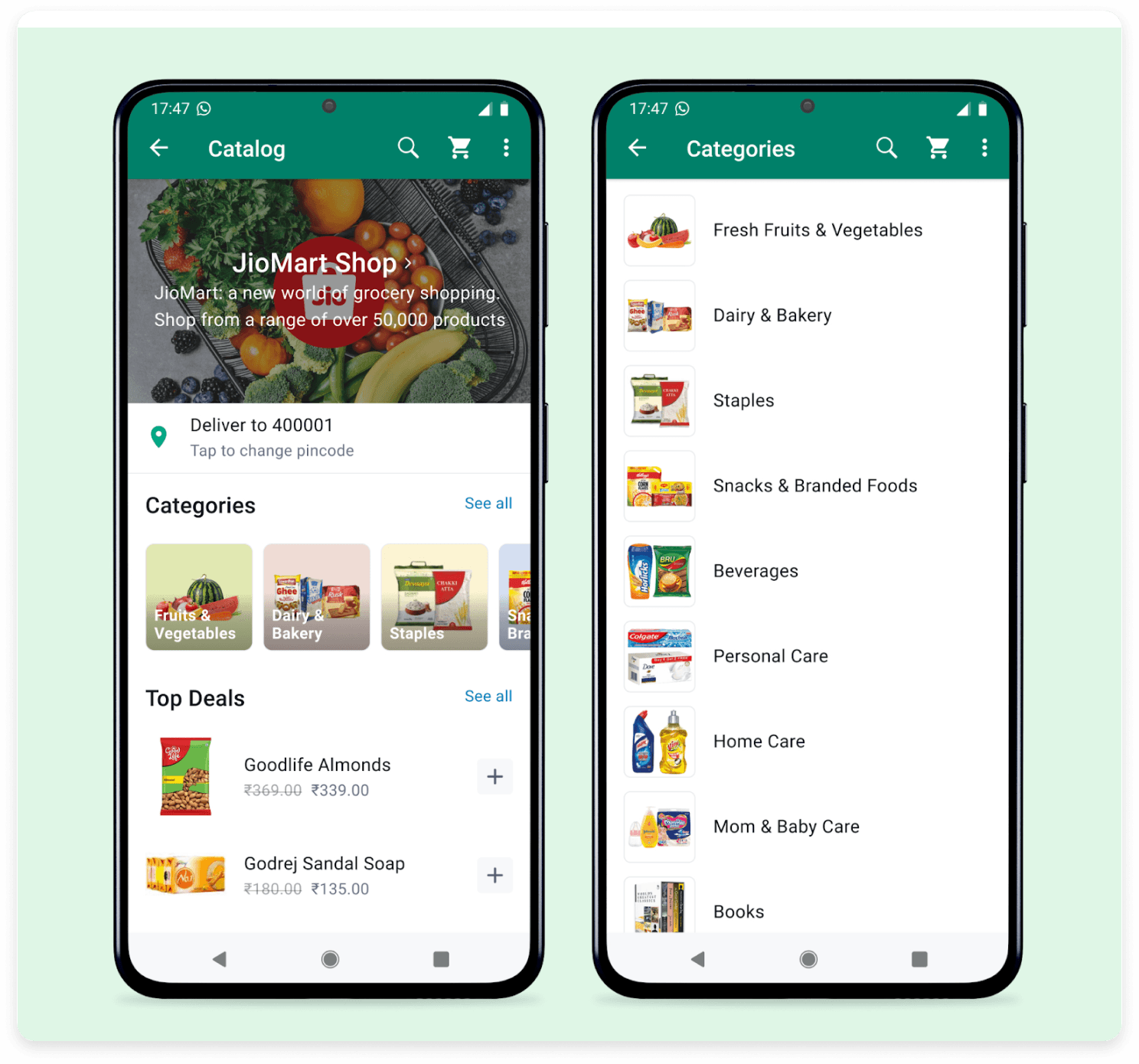
In India, JioMart turned WhatsApp into a storefront. Customers browse catalogs, place grocery orders, and chat with support, all without leaving the app. This conversational commerce model dramatically lowers customer acquisition cost in underserved markets, fueling expansive growth.
Why it works: It meets customers where they already spend time. Trust + convenience = adoption.
Impact: Explosive growth in Tier-2 and Tier-3 cities where WhatsApp rules daily communication.
Marketer’s lesson: The future of direct marketing is conversational.
What These Campaigns Teach Us
Across industries, the winning formula stays consistent:
Personalize like crazy: Amazon, Netflix, and Sephora prove relevance = results.
Simplify the path: Domino’s shows that removing friction is the ultimate growth hack.
Anchor in emotion: Airbnb and Spotify prove that humor and values can scale.
Context is king: Uber and Oreo (Super Bowl blackout, remember?) thrive on timing.
Direct ≠ discounts: The strongest campaigns sell ideas, not coupons.
Lessons for Marketers
Here’s what separates average campaigns from game-changers:
Don’t chase channels, chase context. Email, WhatsApp, or catalogs, they’re just vehicles. The message makes it work.
Nail the moment. Timing beats design, every time.
Reduce effort. Customers are lazy. Help them win without thinking.
Stand for something. A value-driven campaign cuts deeper than a 20% coupon.
Make data human. Spotify showed that stats can tell stories.
Final Words
Direct marketing is not a relic. It’s the engine of growth. Look at Amazon’s recommendations, Domino’s pizza emoji, or JioMart’s WhatsApp commerce; these aren’t stunts. They’re carefully crafted strategies to connect directly, personally, and memorably.
The truth? Flashy ads get the attention, but direct marketing gets the conversion. The next big win for your brand won’t come from shouting louder. It’ll come from speaking smarter, at the right time, in the right channel, with the right message.
Direct marketing is where attention turns into action. And the brands mastering it? They’re not just marketing. They’re rewriting the playbook.