

In the fintech industry, first impressions matter more than almost anywhere else. New users are trusting you with personal details, financial data, and even their money. That makes the onboarding experience even more critical.
Most fintech products struggle with early drop-offs. Users sign up but don’t complete their profile, skip KYC, or never experience the aha moment. This usually happens because they don’t know what to do next or feel overwhelmed.
That’s where a welcome/onboarding email sequence becomes essential. Instead of pushing everything into one email or relying only on in-app prompts, a structured email flow guides users step by step.
In this guide, we’ll walk through how to build a complete welcome/onboarding email sequence for a fintech product.
Why should you use an email flow?
Email works especially well for onboarding in fintech because it’s direct, personal, and asynchronous. Users can read and act on emails at their own pace, which is important when tasks involve KYC, document uploads, or financial decisions.
With email, you can:
- Personalize messages based on signup data
- Segment users by progress (KYC pending, profile incomplete, first action done)
- Automate reminders without sounding pushy
- Time messages around the user’s active periods
A single welcome email isn’t enough. Fintech onboarding usually involves multiple steps. Each step needs its own nudge. That’s why a sequence of emails, not one message, works best.
What is a welcome/onboarding email sequence?
A welcome/onboarding email sequence is a series of automated emails sent to new users after signup to help them understand the product, complete setup steps, and start using the platform.
In fintech, this sequence usually includes:
- A welcome and introduction email
- Profile or preference collection
- KYC or identity verification
- Guidance on the next key action
How to build a welcome/onboarding email sequence
Building an email sequence can be easy if you’re following a well-defined set of steps. Here are the steps for you to follow:
Step 1: Plan your campaign
Planning sets the foundation for the entire email sequence. Without clarity on goals and timing, your onboarding emails can feel random or overwhelming. You can start by outlining:
- Objective: Activate new users and complete onboarding
- Audience: Newly signed-up fintech users
- Core message: Trust, clarity, and guided progress
- Number of emails: 4
- Timeline: Spread over 3 days
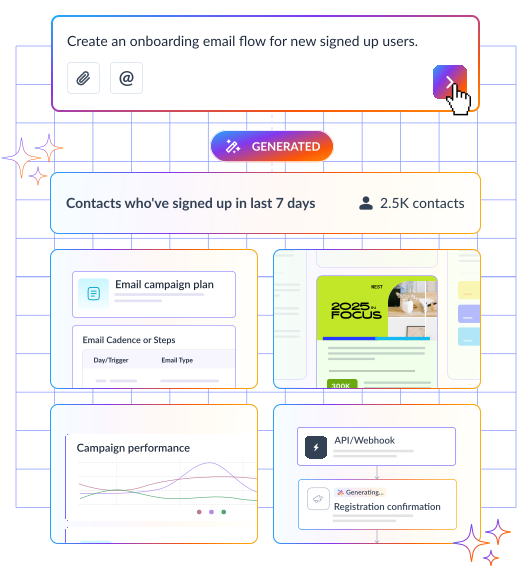
We asked Mailmodo AI to generate an entire campaign plan for an onboarding email for a fintech brand and it delivered a detailed, actionable plan that we could review, customize, and turn into an automated workflow instantly. The output also outlined what emails to send, when to send them, and what each message should achieve.
Take a look at the prompt we used. Click on the arrow to see the output we received.
Create a welcome and onboarding email campaign plan for a fintech product. Include objectives, number of emails, purpose of each email, ideal timing, and the primary CTA for each message.
Step 2: Create audience segments
Not all new users behave the same. Segmentation helps you send relevant emails based on where the users are stuck or have stopped. Common fintech onboarding segments include:
- Profile incomplete users
- KYC not started
- KYC abandoned
- Users who completed signup but took no action
We used Mailmodo AI to quickly create an audience segment for this email sequence. Once it was done, we got the option to review, make edits using the builder, or ask AI to carry out the changes we wanted. Once we confirmed, Mailmodo AI created the segment instantly and it was ready to use for a campaign.
Take a look at the prompt we used, along with the output we got.
Create a dynamic segment of fintech users who signed up in the last 24 hours and have not completed profile setup or KYC verification.
Step 3: Create the email templates
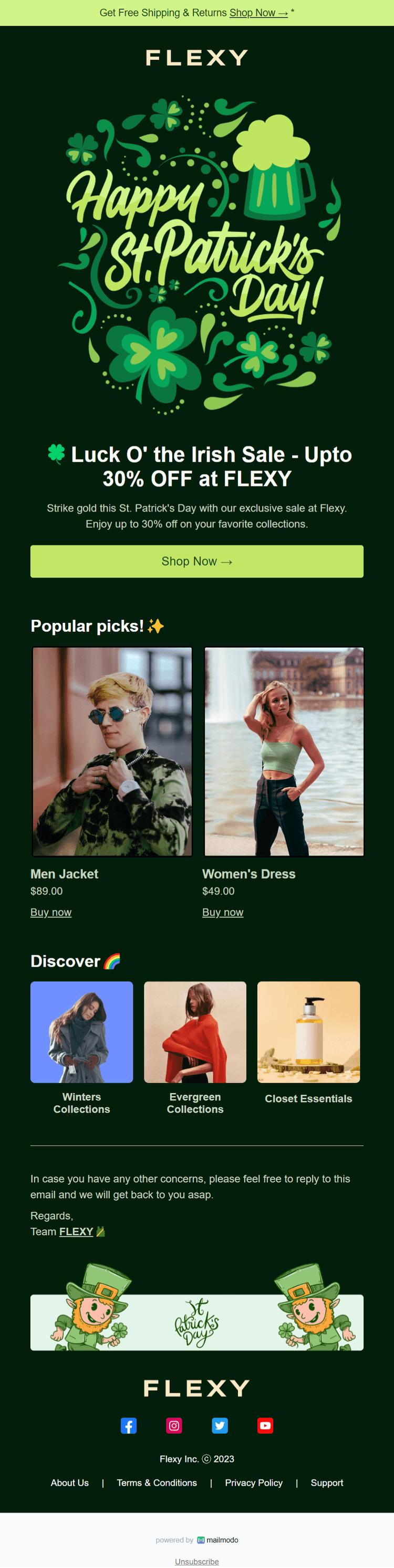
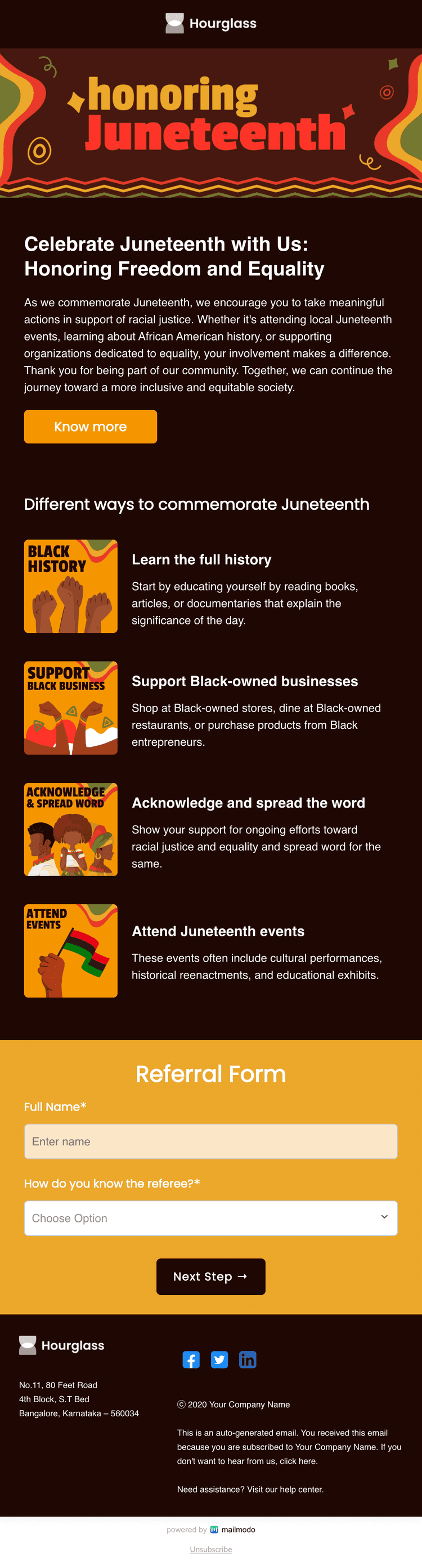
Once the audience is defined, the next step is creating the actual emails to be sent. Here’s a sample list of emails that you should be creating for your email sequence. We’ve also included sample prompts that you can use in Mailmodo AI to generate these email templates in minutes instead of having to spend hours creating them.
Email #1: Welcome email
When to send: Immediately after signup
Purpose: Set expectations and build trust
What to include:
- Warm welcome message
- What your platform helps them do
- How the onboarding will work
- Reassurance around security and privacy
Here’s a sample prompt to generate this kind of email, along with the output it will produce.
Generate a welcome email for a fintech app. Thank the user for signing up, explain what the platform offers, and set expectations for the onboarding process.
Email #2: Get to know your customers
When to send: Day 1
Purpose: Collect essential user information
What to include:
- Why you need their details
- Simple explanation of how long it takes
- Inline form for details like name and date of birth, employment status, financial preferences
Here’s a sample prompt to generate this kind of email, along with the output it will produce.
Create an onboarding email for a fintech product that collects user details such as personal and financial information. Include clear copy and an in-email form.
Email #3: KYC verification
When to send: Day 2
Purpose: Complete identity verification
What to include:
- Why KYC is required
- Documents needed
- Security and compliance reassurance
- Clear next step CTA
Here’s a sample prompt to generate this kind of email, along with the output it will produce.
Generate a KYC verification email for a fintech platform. Explain why KYC is required, list required documents, and encourage users to complete verification.
Email #4: Next steps
When to send: Day 3
Purpose: Drive first meaningful action
What to include:
- What they can do now
- One primary action (invest, transfer, book a call, etc.)
- Help or support options
Here’s a sample prompt to generate this kind of email, along with the output it will produce.
Create a fintech onboarding email that guides users on the next step after completing signup and KYC, such as making their first transaction or booking a support call.
Step 4: Build the automated workflow
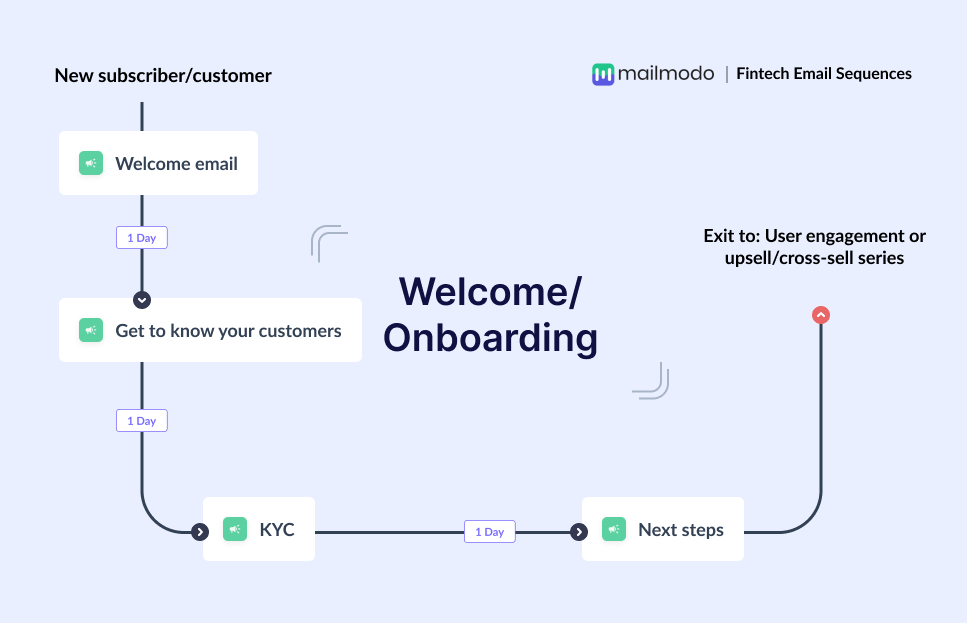
Once your emails are ready, the next step is to automate them so every new user receives them at the right moment. Here’s what a sample automated fintech onboarding would normally include:
- Trigger: User signs up
- Delays: 0 days → 1 day → 1 day → 1 day
- Branching logic: If KYC completed → skip KYC email; If inactive → send reminder
- Exit criteria: User completes onboarding
We used Mailmodo AI to generate the full automated workflow from scratch. It mapped triggers, delays, conditions, and exits. Once the output was ready, we just had to review the overall journey following a setup checklist and ask the AI to make the tweaks we wanted in the workflow.
Take a look at the prompt that we used and the output we received.
Generate an automated welcome and onboarding workflow for a fintech product. Include triggers, delays, conditional branches, and exit criteria.
Step 5: Analyze and improve
Once the sequence is live, you can track the performance of your sequence to improve future campaigns. Key metrics to track include:
- Open rates
- Click-through rates
- Profile completion rate
- KYC completion rate
- First action conversion
You can also ask Mailmodo AI to analyze the performance of your email sequence and suggest optimizations based on engagement and conversion data. Here’s a sample prompt that you can use for this:
Analyze my fintech onboarding email sequence and suggest improvements to increase profile completion, KYC submission, and first transaction rates.
Conclusion
For fintech products, onboarding is the foundation of long-term user engagement and trust. A well-designed welcome/onboarding email sequence helps users move from signup to activation without confusion.
Email makes this possible by delivering timely, personalized guidance across multiple steps. When combined with automation and behavioral logic, it becomes a powerful onboarding engine.
Mailmodo simplifies the process by helping you plan, create, automate, and optimize every part of the sequence in minutes using Mailmodo AI. With the right flow in place, you set users up for success from day one.


 Learn more about Mailmodo