1. Duolingo
Duolingo, the popular language learning app, wanted to improve user consistency and engagement. Many users downloaded the app but dropped off after a few lessons. To fix this, Duolingo turned to its beloved mascot, Duo the Owl, transforming it into a conversational guide. Duo began sending users friendly reminders, encouraging messages, and humorous nudges to keep them motivated. The tone was playful, almost human like a friend cheering you on. This made the learning journey feel interactive, emotional, and fun rather than robotic.
Strategy:
Outcome:
The conversational tone kept users engaged longer, improving lesson completion rates. Duolingo reported a 60% increase in daily engagement and a significant reduction in app churn. By personifying the brand through Duo, Duolingo built a more emotionally connected and loyal learning community.
2. Lego
Lego, a brand synonymous with creativity, sought to make holiday shopping easier and more fun for parents and gift givers. They introduced “Ralph,” a Messenger chatbot that acted as a personal shopping assistant. Instead of browsing through countless products, users could chat with Ralph, who asked simple questions about the recipient, their age, interests, and budget. Within minutes, Ralph suggested the perfect Lego set. The process was conversational, quick, and surprisingly delightful, transforming what could have been a stressful gift hunt into an engaging experience.
Strategy:
Built a Messenger based chatbot to guide users through a conversational shopping journey.
Used personalized recommendations based on user responses to age, interest, and price.
Outcome:
The campaign generated millions of interactions and improved customer satisfaction. Lego achieved a 25% higher conversion rate during the holiday season. The bot not only drove sales but also reinforced Lego’s image as a fun, family friendly, and customer-first brand.
3. KLM Royal Dutch Airlines
As a global airline, KLM receives thousands of customer messages daily. To manage this efficiently while maintaining personal service, the company introduced a conversational chatbot on Facebook Messenger. The bot handled tasks like booking confirmations, check in reminders, and flight updates. Customers could ask travel related questions and even receive boarding passes directly in chat. The experience felt effortless, travelers no longer had to navigate complex websites or wait on hold.
Strategy:
Implemented a Messenger chatbot for flight management, updates, and checkins.
Designed responses to be humanlike and instant, reducing dependency on manual support.
Outcome:
KLM’s chatbot significantly eased the customer service workload, reducing response time and enhancing convenience. Passengers appreciated the immediacy and simplicity, leading to higher satisfaction scores. The campaign strengthened KLM’s reputation as an innovative, customer centric airline.
4. Lyft
Lyft wanted to make ride booking as seamless as possible across all digital touch points. Instead of forcing users to open the app, Lyft integrated conversational booking through platforms like Slack, Facebook Messenger, and Alexa. Customers could simply type or say, “Request a Lyft,” and the chatbot confirmed their location, car type, and ETA all within seconds. This frictionless process redefined convenience, making Lyft accessible wherever users already were.
Strategy:
Outcome:
This conversational expansion improved accessibility and customer satisfaction. Lyft saw increased repeat usage and retention, with users praising how natural and quick the experience felt. The brand set a new standard for on demand conversational commerce.
5. American Leather
 Source: American Leather
American Leather sells premium, customizable furniture, a high involvement purchase that often requires human interaction. To replicate that level of trust online, the brand added an onsite chatbot to engage potential buyers in real time. The chatbot answered detailed product questions, guided customers through customization options, and reassured them about quality and delivery. For a high ticket market, this conversational touch turned browsing into confident buying.
Strategy:
Outcome:
The chatbot helped shorten decision cycles and reduce cart abandonment. Shoppers felt more supported during their purchase journey, leading to higher conversions for big ticket products. American Leather successfully blended premium service with conversational convenience.
6. Drift
Drift, a leader in conversational marketing, wanted to demonstrate its technology’s real power. Instead of relying on traditional contact forms, Drift used its own chatbot to greet website visitors. The bot recognized visitor intent whether they wanted a product demo, pricing info, or support and guided them instantly. This proactive, conversational approach made B2B engagement feel personal and effortless, even for complex enterprise leads.
Strategy:
Outcome:
Drift’s approach increased lead quality and conversion rates significantly. By responding in real time and reducing friction, the company shortened its sales cycle. It became the gold standard for conversational marketing in B2B.
7. Dollar Shave Club
Dollar Shave Club built its brand on humor and authenticity. To maintain that tone in email marketing, the brand created campaigns that sounded like conversations rather than corporate messages. Their emails used humor, memes, and relatable language often written as if from a friend rather than a brand. This approach not only entertained readers but also strengthened emotional connection and loyalty.
Strategy:
Outcome:
Their conversational tone achieved open rates near 70% and clickthrough rates three times higher than industry averages. Dollar Shave Club proved that authentic communication can turn email into a two way relationship rather than a sales pitch.
8. Connells
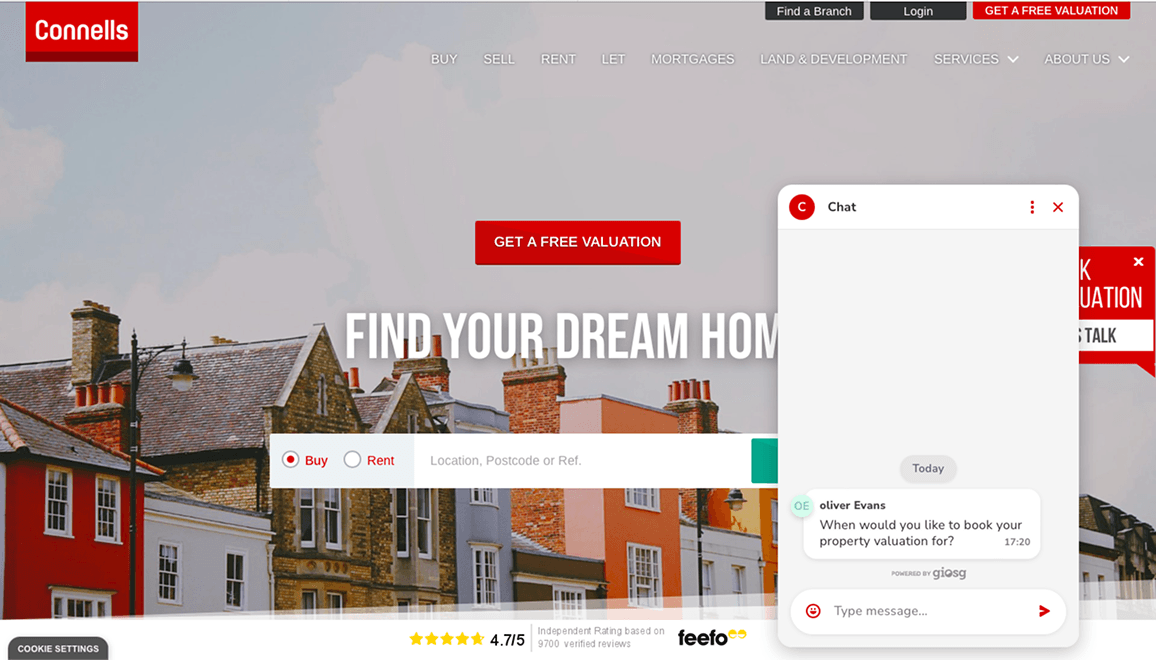
Connells Group, a UK real estate company, faced the challenge of converting website visitors into qualified leads. Instead of using static contact forms, the company introduced live chat options that allowed visitors to instantly connect with agents. Through real time conversations, prospects could schedule property valuations or get local advice, creating a more human experience online.
Strategy:
Outcome:
This personalized approach drastically improved conversion rates. More users booked valuations directly through chat, increasing sales efficiency. Connells’ shift from passive forms to active conversation modernized its entire lead funnel.
9. Sephora
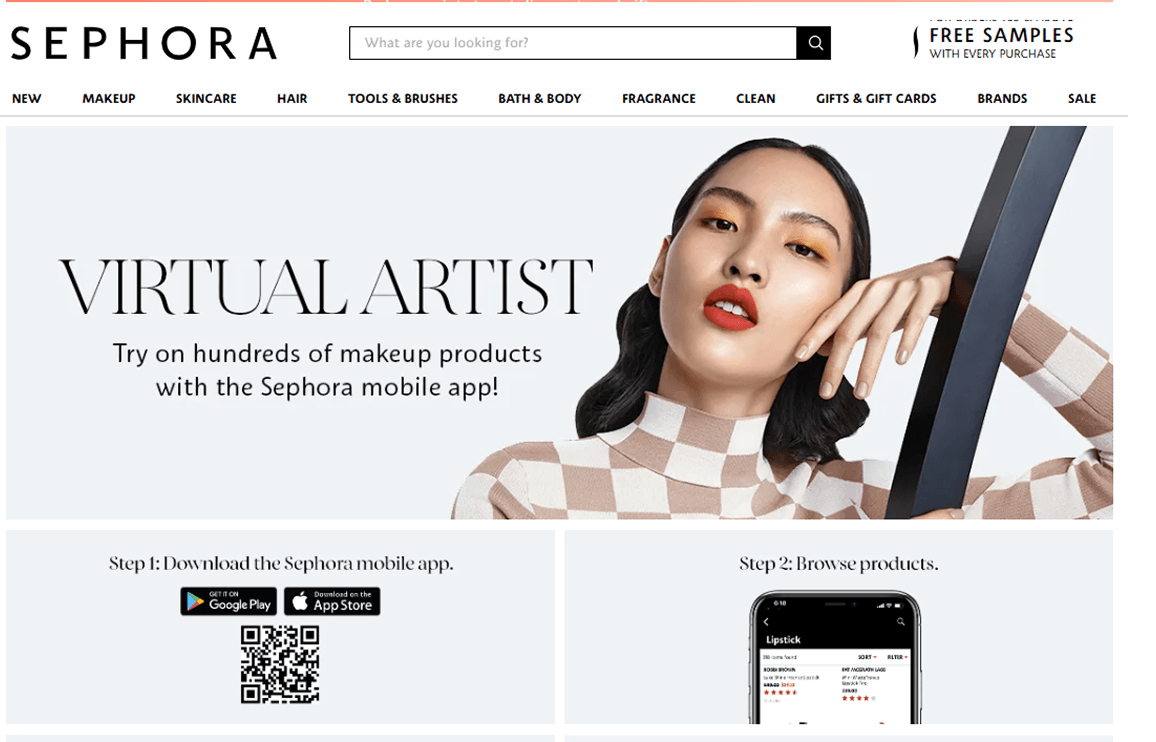
Imagine getting ready for an event and realizing you need the perfect lipstick shade or a quick makeover appointment. Instead of scrolling endlessly through products, you open Facebook Messenger and start chatting with Sephora’s friendly bot. It asks, “What look are you going for?” glam, natural, or bold and instantly suggests curated products that match your vibe. Beyond that, it can even help you book a makeover at the nearest store. What used to take half an hour of searching now takes just a few friendly messages. Sephora turned what could be a stressful beauty decision into an easy, personal, and enjoyable chat experience.
Strategy:
Used AI powered chatbots on Facebook Messenger and the Sephora app to offer beauty consultations, product recommendations, and booking assistance.
Focused on personalized conversations, asking guiding questions to tailor suggestions based on each customer’s preferences and needs.
Outcome:
This approach streamlined the buying process by removing friction and guesswork. Customers felt like they were chatting with a personal beauty advisor rather than browsing a website. As a result, Sephora saw a surge in both online engagement and in store bookings, proving that conversational marketing can blend digital convenience with a human touch.
10. Kiehl’s
Kiehl’s, the skincare giant, launched a Messenger based personal shopping campaign to bridge digital and human experiences. Shoppers could chat with beauty consultants directly, receive product recommendations, place orders, and even make payments all within Messenger. The conversational setup turned typical e-commerce into a personalized beauty consultation experience, making the brand feel approachable and helpful.
Strategy:
Deployed a Messenger chatbot that connected users to live beauty consultants.
Enabled end-to-end purchase journeys within chat, from recommendation to payment.
Outcome:
The campaign was a massive success, quadrupling sales and driving a 22% increase in digital revenue in Malaysia and Vietnam. Kiehl’s proved that conversational commerce could replicate the in store experience online while building deeper brand trust.
Conclusion
In a world overloaded with ads and noise, conversational marketing stands out because it listens. Whether it’s a chatbot that helps you book a flight, a Messenger bot that finds the perfect Lego set, or a funny email from Dollar Shave Club, each conversation builds connection.
The lesson? People crave human experiences, even when chatting with a bot. As technology gets smarter, the brands that keep their tone friendly, personal, and real will always have the last word and the loyal customers.