1. Unilever
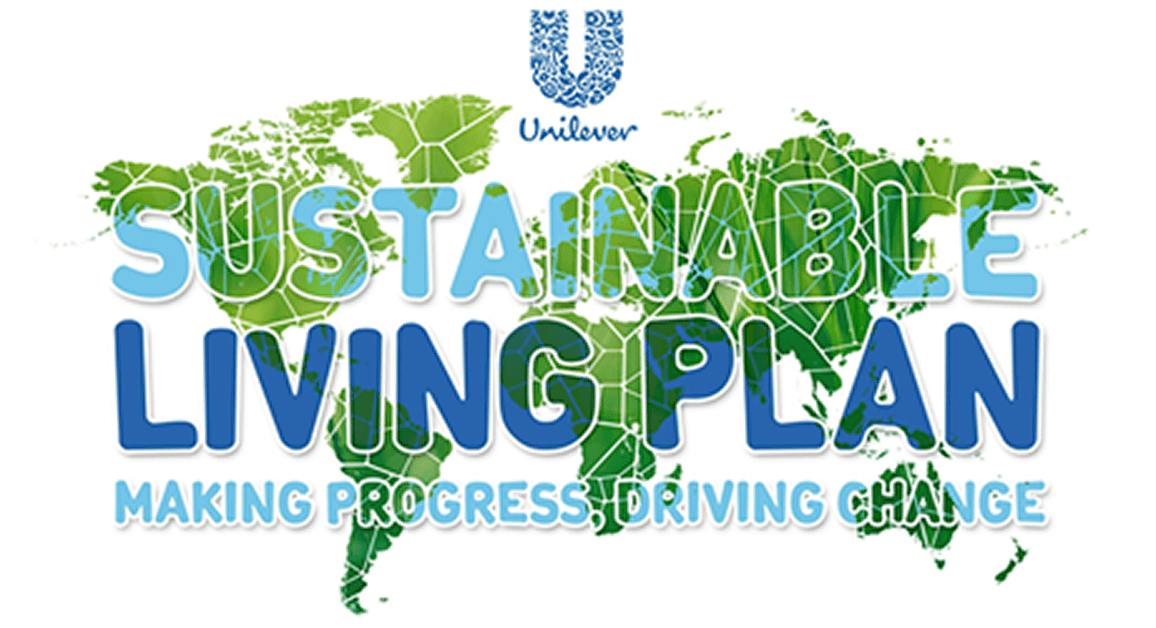
Unilever understood early on that growth and sustainability must go hand in hand. The company faced growing consumer demand for ethical and eco friendly brands. Instead of launching separate sustainability campaigns, Unilever embedded the idea into its entire business model. The Sustainable Living Plan became the company’s roadmap for long term purpose driven growth, connecting corporate values to consumer trust.
Strategy:
Integrated sustainability into all 400+ brands under Unilever, from Dove to Lifebuoy.
Focused on reducing environmental footprint while improving social impact through hygiene, nutrition, and inclusivity.
Engaged employees and partners to live the brand’s sustainability mission internally.
Outcome:
The result was a globally admired company that leads with both profit and purpose. Unilever’s “sustainable brands” grew faster than others, earning deep customer loyalty and setting a gold standard for socially responsible marketing.
2. Google

Google’s strength lies not only in its products but in the harmony between its internal culture and external communication. The company believes that innovation starts from within when employees are inspired, users feel it too. From search engines to cloud services, every Google product reflects the brand’s mission of making information universally accessible and useful.
Strategy:
Focused on employee empowerment through creativity, open communication, and continuous learning.
Aligned innovation and marketing showcasing how technology enhances everyday life.
Maintained a transparent brand voice rooted in curiosity and trust.
Outcome:
Google’s unified approach has made it one of the world’s most trusted and beloved companies. By aligning internal satisfaction with external innovation, Google sustains global relevance, loyalty, and an unshakable reputation for creativity.
3. Tesla

Tesla disrupted the automobile industry not with advertisements, but with authenticity. Instead of relying on traditional media, it built a direct relationship with consumers through innovation, sustainability, and community engagement. The company’s mission to accelerate the world’s transition to sustainable energy became its marketing message.
Strategy:
Eliminated intermediaries by selling cars directly to customers online and in company stores.
Encouraged user advocacy by turning customers into passionate brand ambassadors.
Used CEO Elon Musk’s personal brand and social media to build organic visibility.
Outcome:
Tesla’s loyal fan base and viral word-of-mouth campaigns have fueled massive sales without conventional advertising. Its holistic marketing connects innovation, community, and sustainability, proving authenticity is the most powerful marketing tool.
4. Patagonia
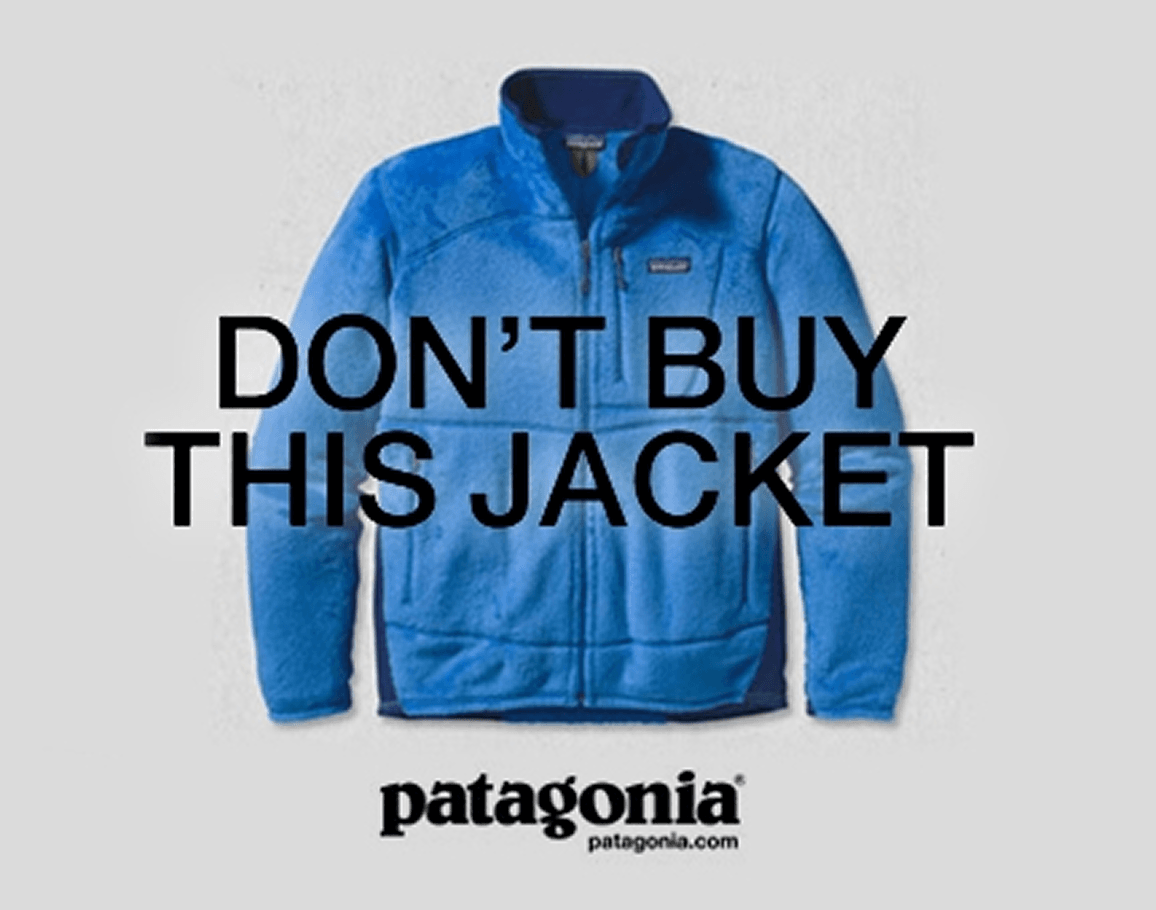
Patagonia is more than an outdoor apparel company, it's a movement for the planet. The brand famously encouraged customers to “Don’t Buy This Jacket,” promoting mindful consumption. By putting purpose before profit, Patagonia made environmental activism part of its identity.
Strategy:
Integrated environmental ethics across every business process, from supply chain to product design.
Supported grassroots activists through donations and storytelling campaigns.
Empowered employees and customers to take part in sustainability missions.
Outcome:
The brand became a global symbol of authenticity and responsibility. Patagonia’s honesty not only strengthened its reputation but also attracted customers who value integrity, leading to increased loyalty and steady growth.
5. LEGO

LEGO turned childhood play into a global community of creativity. Facing declining sales in the early 2000s, LEGO reinvented itself by focusing on user engagement and storytelling. It positioned creativity, imagination, and learning as its universal language.
Strategy:
Encouraged user generated content through platforms like LEGO Ideas, where fans co-create designs.
Unified digital campaigns, in store experiences, and educational programs under one creative mission.
Strengthened parent and educator trust through STEM learning initiatives.
Outcome:
LEGO rebuilt its global empire by uniting play, education, and storytelling. Today, it’s not just a toy brand but a community that empowers creativity across ages, proof of holistic marketing’s long term power.
6. Ben & Jerry’s

Ben & Jerry’s blends social justice with indulgence. From climate action to racial equality, its activism is inseparable from its ice cream. Every scoop tells a story of fairness, sustainability, and community care.
Strategy:
Committed to fair trade, ethical sourcing, and carbon neutrality.
Used campaigns to advocate for global justice causes, not just product promotion.
Integrated purpose into every decision from flavor names to partnerships.
Outcome:
Ben & Jerry’s has earned fierce loyalty among socially conscious consumers. Its holistic marketing transforms business into activism proving that ethical stands can also be profitable.
7. Aeon Laser USA

When the pandemic disrupted traditional sales models, Aeon Laser USA didn’t just adapt, it evolved. The company shifted from product focused marketing to relationship driven communication, integrating customer insights and digital transformation to stay connected.
Strategy:
Redefined buyer personas based on new remote work and small business needs.
Integrated brand messaging across paid media, email, and social platforms.
Focused on authenticity and education over hard selling.
Outcome:
This pivot increased qualified leads by 191% and significantly reduced customer acquisition costs. Aeon Laser’s holistic revamp proved that when customer understanding drives strategy, results follow naturally.
8. Amul

Amul, India’s beloved dairy brand, unites farmers, consumers, and culture under one cooperative vision. Founded to empower rural milk producers, it became a symbol of trust, humor, and togetherness. The “Amul Girl” cartoons mirror India’s social pulse, connecting people nationwide.
Strategy:
Integrated cooperative ownership farmers as stakeholders and brand ambassadors.
Maintained consistent product quality and affordability for all income levels.
Used witty, topical advertising to reflect India’s culture and values.
Outcome:
Amul stands as a timeless brand that blends economic empowerment, cultural relevance, and emotional connection. Its holistic model creates not just customers, but communities of pride and belonging.
9. Virgin Atlantic

Virgin Atlantic revolutionized air travel by making the journey as enjoyable as the destination. From luxurious cabin design to personal service, every brand touchpoint reflects comfort and personality. Its holistic approach integrates product, people, and purpose.
Strategy:
Delivered consistent branding across online, inflight, and ground experiences.
Leveraged customer data for personalized offers and communication.
Empowered employees to deliver friendly, memorable service that humanizes the brand.
Outcome:
Virgin Atlantic’s integration of premium comfort and personal connection builds lifelong loyalty. Its sustainability initiatives further align brand values with modern travelers’ expectations, reinforcing holistic success.
10. Samsung

Samsung’s marketing success stems from its unified ecosystem of smart devices. From phones to refrigerators, every product is designed to work together seamlessly, reflecting the brand’s innovation first philosophy.
Strategy:
Maintained consistent brand identity across all products via the SmartThings ecosystem.
Partnered with global icons like BTS to emotionally connect with youth audiences.
Used behavioral data to deliver personalized content and optimize customer experience.
Outcome:
Samsung’s integrated product strategy solidified its position as a lifestyle brand, not just a tech company. Its holistic approach connects technology, culture, and consumer emotion to build a global innovation powerhouse.
11. Nike
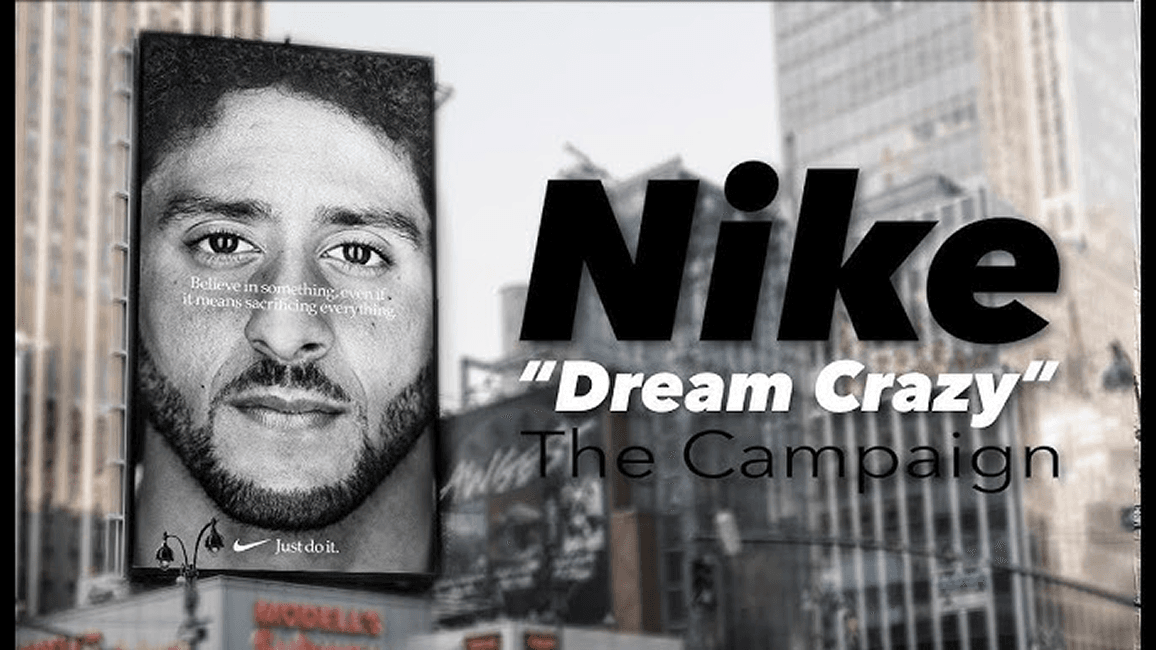
Nike’s “Just Do It” slogan is more than marketing, it's a cultural movement. Through bold campaigns like “Dream Crazy” with Colin Kaepernick, Nike tied personal empowerment to social justice, blending inspiration with activism.
Strategy:
Unified storytelling across ads, social media, and events centered on perseverance and equality.
Encouraged internal alignment, athletes, employees, and customers all share the same vision.
Integrated cause marketing with product launches for consistent impact.
Outcome:
Nike’s campaigns spark global conversations, deepening emotional connection with consumers. Its purpose driven messaging has strengthened loyalty, built trust, and positioned Nike as a brand that stands for something bigger than sports.
12. McDonald’s

McDonald’s holistic marketing seamlessly blends global consistency with local flavor. Whether you’re in New York or New Delhi, the “I’m Lovin’ It” message stays the same while menus and experiences adapt to local tastes.
Strategy:
Maintained brand uniformity through global campaigns while localizing offerings like the McAloo Tikki in India.
Leveraged the McDonald’s app and rewards program for customer retention.
Invested in employee training to ensure consistent service quality worldwide.
Outcome:
McDonald’s balance of global identity and local connection keeps it culturally relevant and universally loved. It's charitable efforts through Ronald McDonald House Charities further strengthen its community trust and social impact.
Conclusion
Holistic marketing proves that success comes when every part of a company, its people, purpose, and products work together in harmony. The world’s most trusted brands don’t just sell, they stand for something. Whether it’s Unilever’s sustainability, Tesla’s innovation, or Amul’s cultural unity, holistic marketing connects values with action.
In an age where authenticity matters more than ever, these brands remind us that marketing isn’t just about reaching customers, it's about building relationships, communities, and long term impact.