1. KitKat
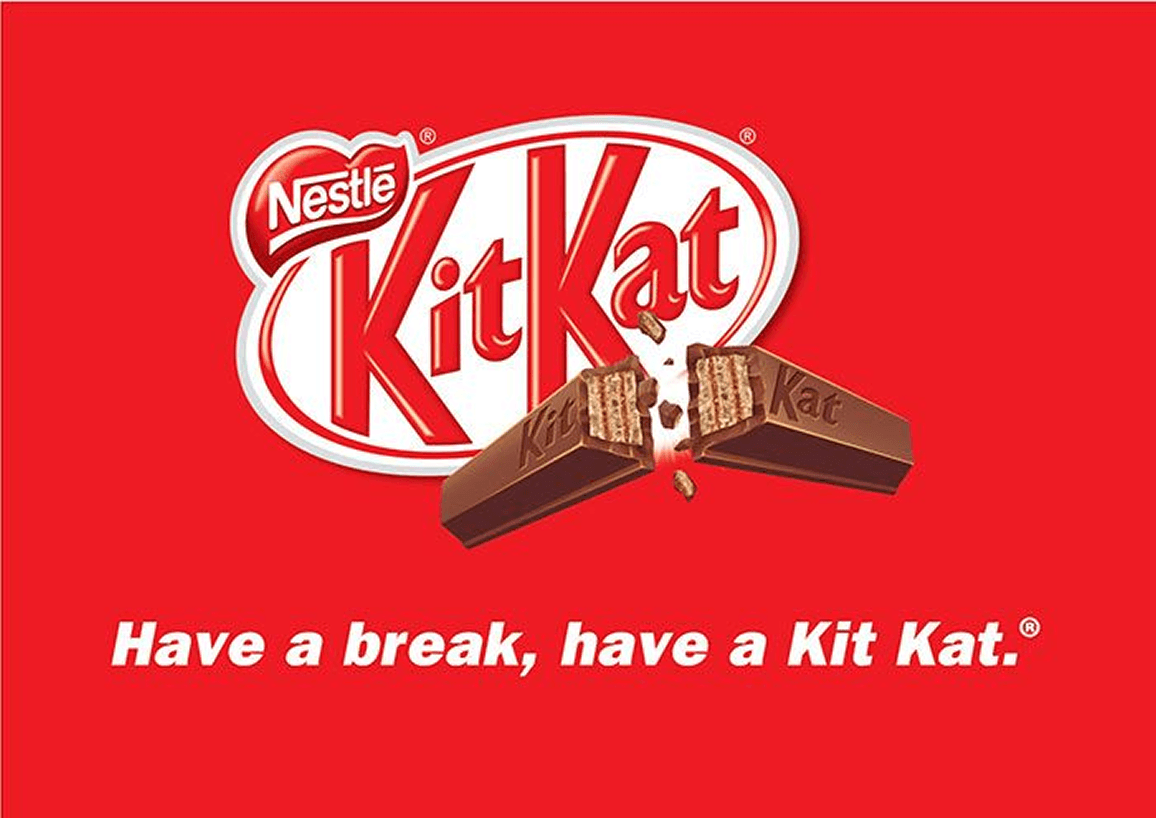
When Apple’s iPhone 6 sparked the viral “#Bendgate” controversy users sharing photos of bent phones KitKat seized the opportunity to show off its classic wit. The chocolate brand quickly tweeted, “We don’t bend, we break. #bendgate #HaveABreak,” blending humor with its timeless tagline. This clever oneliner instantly positioned KitKat as part of the trending conversation, showing that even a global tech mishap could be turned into a playful marketing win. KitKat’s quick humor felt effortless, relatable, and perfectly aligned with its brand voice.
Strategy:
React swiftly to viral social media trends with witty, on brand messaging.
Use humor and cultural awareness to connect brand identity with trending conversations.
Outcome:
The tweet went viral, generating thousands of shares and comments within hours. It showcased KitKat’s social media agility and reinforced its fun loving, laid back personality. The brand became a textbook example of how real time humor can strengthen engagement and make a decades old slogan feel fresh again.
2. Pepsi
During the 2014 Oscars, Ellen DeGeneres took a record breaking celebrity selfie using a Samsung phone, which became the most retweeted photo of all time. Pepsi, a competitor in the event’s ad space, saw the viral moment and reacted instantly with a witty tweet celebrating the selfie. Despite not being an official sponsor, Pepsi managed to slide into the conversation and gain attention from millions watching live and following online. Their timely humor proved that quick thinking can sometimes outshine even expensive ad placements.
Strategy:
Outcome:
Pepsi’s response garnered massive engagement, proving that realtime participation can yield visibility comparable to sponsorships. The brand demonstrated how agile marketing can boost relevance even when the spotlight belongs to someone else.
3. Oreo
When a sudden power outage struck during the 2013 Super Bowl, most advertisers were caught off guard. But Oreo’s marketing team, ready with realtime creative support, immediately tweeted an image captioned “You can still dunk in the dark.” Within minutes, the post became a viral sensation. Oreo’s lightning fast humor perfectly fit the brand’s playful tone and the event’s unexpected situation, making it one of the most famous realtime marketing examples ever.
Strategy:
Outcome:
The tweet earned thousands of retweets within minutes and received international media coverage. Oreo became synonymous with “realtime marketing done right,” inspiring brands to stay alert and agile during live events.
4. Arby’s

At the 2014 Grammy Awards, singer Pharrell Williams wore a giant brown hat that looked remarkably similar to Arby’s logo. Spotting the resemblance, Arby’s quickly tweeted, “Hey Pharrell, can we have our hat back?” The tweet went viral almost instantly, sparking laughter across the internet. Pharrell himself replied, adding fuel to the fun interaction. Arby’s smart humor not only showcased brand awareness but also demonstrated how observation and timing can turn pop culture moments into marketing gold.
Strategy:
Outcome:
The tweet earned tens of thousands of retweets and media mentions, dramatically increasing Arby’s online visibility. The brand’s follower count spiked, and their reputation for quick, funny social media engagement was solidified.
5. Nike
During the COVID19 pandemic, when global sports events came to a halt, Nike refused to stay silent. Instead, they released “You Can’t Stop Us,” a powerful splitscreen video featuring athletes from around the world united through resilience, diversity, and spirit. The campaign connected emotionally with viewers who were missing the thrill of sports, delivering a message of hope and perseverance that resonated worldwide.
Strategy:
Leverage current global events to deliver emotionally powerful, inclusive messaging.
Use storytelling and visual impact to inspire audiences even in difficult times.
Outcome:
The campaign went viral, amassing over 50 million views in a few days and solidifying Nike’s position as a brand that stands for motivation and unity. It transformed a period of global uncertainty into a message of empowerment and social connection.
6. Peloton
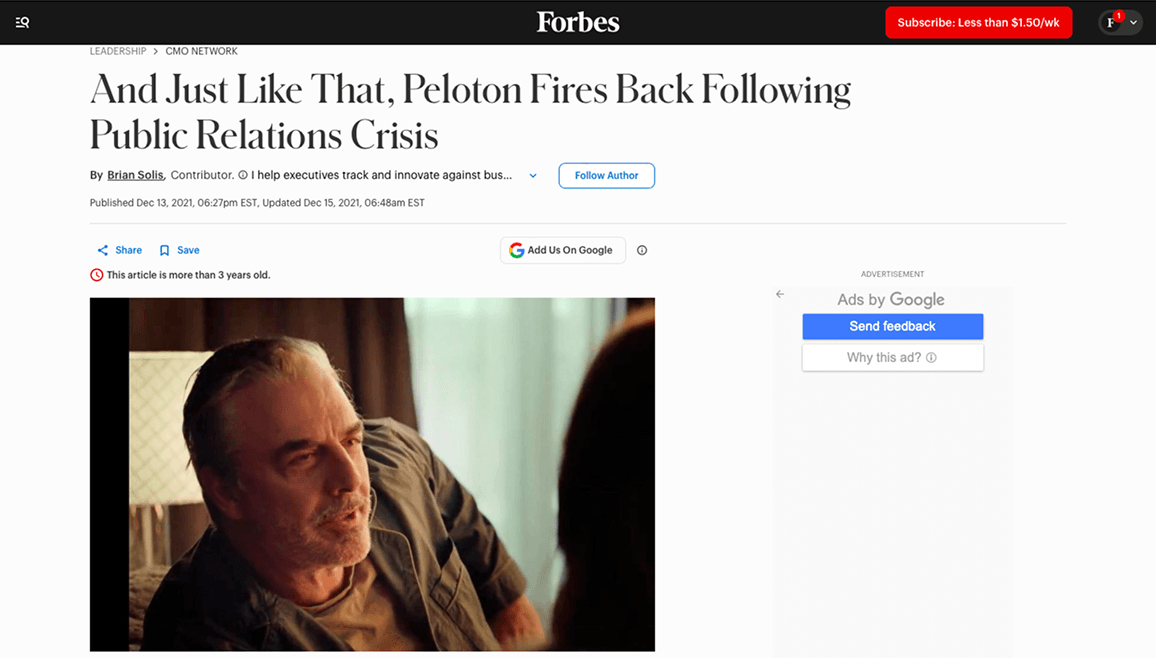 Source: Forbes
When the TV show And Just Like That controversially portrayed a character’s death after using a Peloton bike, the brand faced a PR storm. Instead of staying silent, Peloton quickly released a humorous ad featuring the same actor, alive and well, joking about “feeling great after a ride.” This clever, same day response flipped a potential crisis into a viral win.
Strategy:
Outcome:
The ad not only went viral but also boosted Peloton’s stock value by nearly $900 million within days. The brand regained control of its narrative and earned praise for its bold, witty crisis management.
7. Ikea
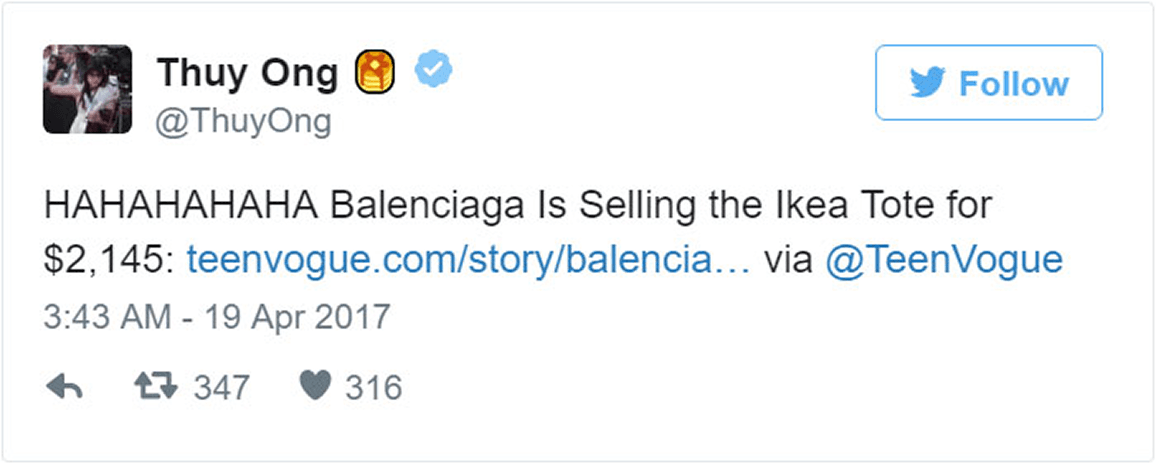
When Balenciaga launched a luxury blue tote that looked strikingly similar to Ikea’s iconic 99cent shopping bag, the internet was buzzing with comparisons. Ikea didn’t miss a beat, they playfully responded with a cheeky ad explaining how to identify the “original” Ikea bag (“It crinkles. It’s blue. It costs $0.99.”). This reply spread quickly online, showing how humor can turn imitation into opportunity.
Strategy:
Turn viral product comparisons into brandboosting humor.
Engage audiences with clever, self aware responses to cultural moments.
Outcome:
Ikea’s response became a viral hit, praised by both fans and media for its wit and authenticity. It reinforced Ikea’s fun, down-to-earth image and generated massive positive sentiment globally.
8. Zomato
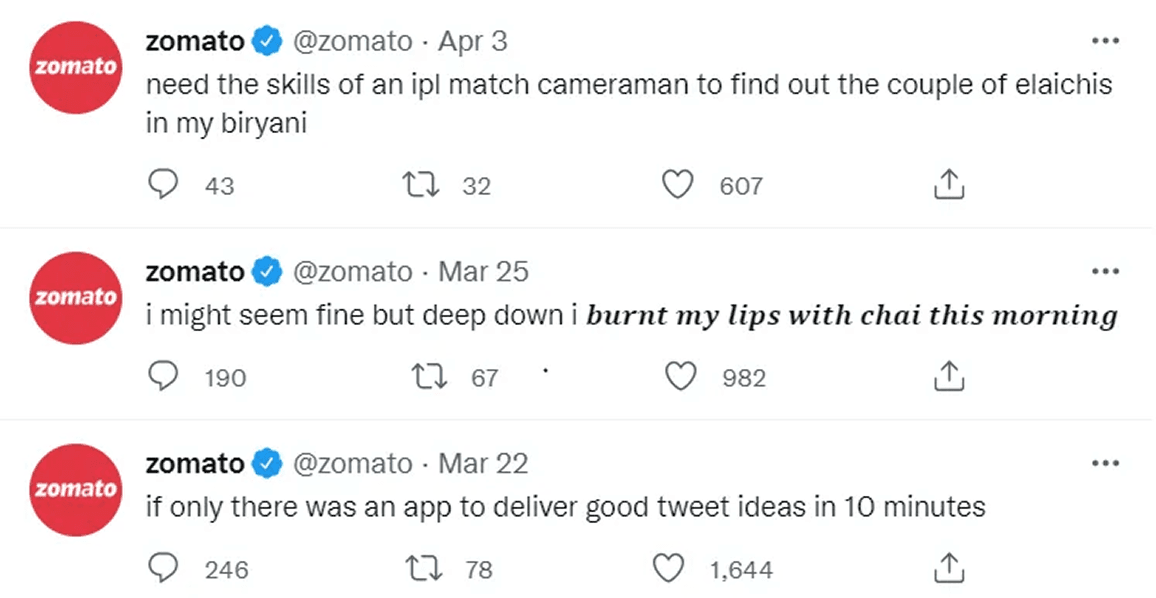
Zomato, India’s leading food delivery platform, has mastered the art of realtime marketing by blending wit with cultural awareness. From cricket matches to viral memes, Zomato’s posts respond almost instantly to trending topics. During social media outages, major events, or film releases, Zomato’s timely humor keeps audiences laughing and talking. Their posts feel like a friend’s meme, not a brand’s ad.
Strategy:
Monitor trends constantly and post contextually relevant, humorous content.
Use relatable, conversational language to humanize the brand.
Outcome:
Zomato’s social strategy keeps engagement consistently high. Their witty takes frequently go viral, making Zomato one of India’s most followed and loved brands online. The company has built a strong emotional and cultural connection with its audience through consistent, realtime creativity.
9. Netflix
To promote its hit show Wednesday, Netflix pulled off a brilliant realtime stunt in New York City. A disembodied hand the show’s character “Thing” was set loose to crawl around the streets, startling passersby. Hidden cameras captured their reactions, which were later posted online. The resulting video was both creepy and hilarious, blending real world engagement with viral digital marketing.
Strategy:
Outcome:
The campaign went viral within hours, generating tens of millions of views and immense buzz around Wednesday's release. Netflix proved that blending creativity with realtime surprise can spark cultural conversation and boost streaming engagement worldwide.
10. JetBlue
JetBlue took realtime engagement to a personal level when a customer jokingly tweeted about expecting a red carpet welcome at the airport. Instead of ignoring it, JetBlue made it happen the customer was greeted with a personalized sign upon arrival. The interaction was captured and shared online, instantly winning hearts and showcasing JetBlue’s playful brand culture.
Strategy:
Monitor customer conversations in real time and respond creatively.
Turn simple online interactions into memorable, shareable experiences.
Outcome:
The story went viral on Twitter and other platforms, earning JetBlue praise for genuine, human centered engagement. The airline strengthened customer loyalty and proved that personal touches delivered in real time can create powerful brand advocacy moments.
Conclusion
Real time marketing is all about agility, creativity, and being in tune with your audience. These examples show how brands can transform unpredictable events into golden opportunities for engagement and brand love. Whether it’s a clever tweet, a quick ad, or a humorous response, what matters most is authenticity and timing.
As digital conversations move faster than ever, brands that stay observant, creative, and quick on their feet will continue to win the internet one trend at a time.