


The hard work for SaaS businesses doesn’t end when customers are onboarded. Once users start using your product, the real challenge is staying relevant and top of mind over time.
Customers often go quiet, not because they’re unhappy, but because they’re busy, distracted, or unaware of what’s new. Features ship, webinars happen, and helpful resources get published, but many users never see them. This slow drop in engagement can eventually lead to churn.
That’s where a customer engagement email sequence helps you. Instead of relying on one-off updates, a structured email flow helps you stay connected, provide value consistently, and strengthen long-term relationships.
In this guide, we’ll walk through how to build a complete customer engagement email sequence for SaaS.
Why should you use an email flow?
Email works especially well for customer engagement in SaaS because it gives you direct access to users who’ve already trusted and connected with you. Unlike social or in-app messages, email allows you to:
Reach customers outside your product
Personalize content based on usage or interests
Segment users by behavior or lifecycle stage
Automate regular touchpoints without manual effort
Customer engagement isn’t a one-time action. A single email won’t build recall or trust. Customers need repeated, valuable touchpoints to stay engaged, whether that’s learning something new, attending an event, or discovering a feature they didn’t know existed.
That’s why an email sequence is the right approach.
What is a customer engagement email sequence?
A customer engagement email sequence is a set of automated emails sent to existing customers to maintain relationships, increase product awareness, and keep users engaged over time.
These emails don’t follow a rigid order and are often sent periodically. Common components include:
Educational or helpful resources
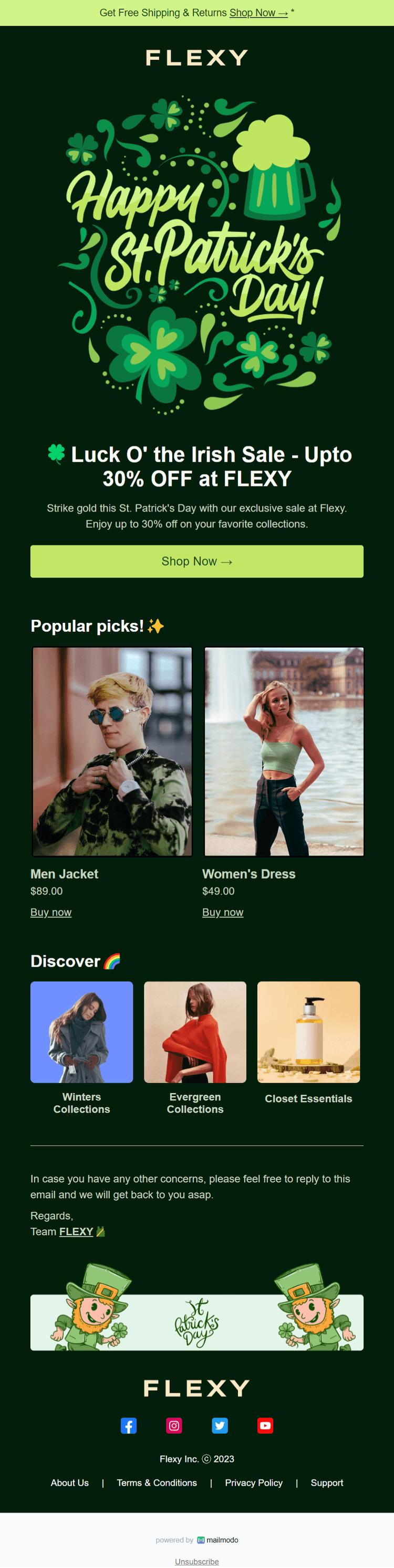
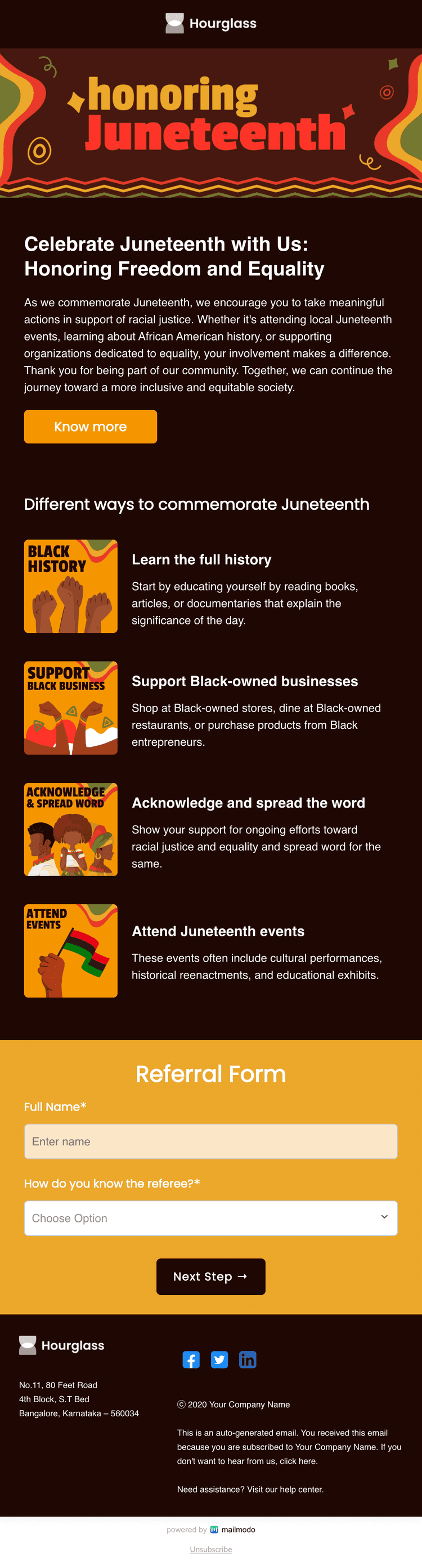
Webinar or event invitations
Product updates or feature announcements
How to build a customer engagement email sequence
Building an email sequence can be easy if you’re following a well-defined set of steps. Here are the steps for you to follow:
Step 1: Plan your campaign
A strong engagement sequence starts with a clear plan. Without direction, emails can feel random and fail to deliver value. At this stage, you should outline:
Objectives: Brand recall, education, or product adoption
Audience: Active customers, power users, or all paying users
Messaging: Helpful, educational, and non-promotional
Number of emails: 2–3 per cycle
Timeline: Quarterly or once every two months
For SaaS, the focus should be on long-term value, not immediate conversions.
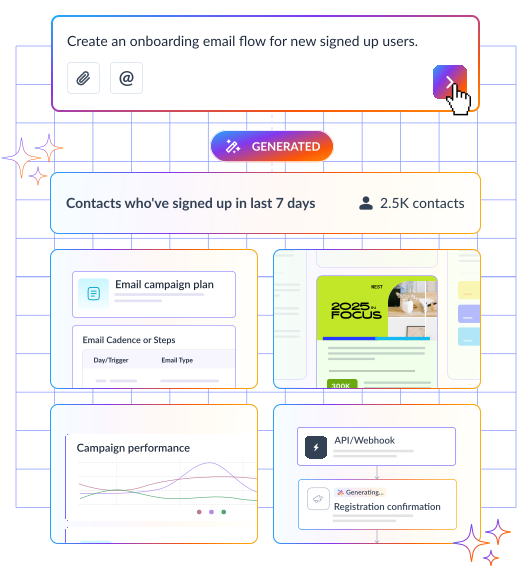
To speed this up, we used Mailmodo AI to generate a complete campaign plan. It helped define the number of emails, their themes, ideal timing, and what each message should achieve, all in one output that we could quickly refine.
Take a look at the prompt we used. Click on the arrow to see the output we received.
Create a customer engagement email campaign plan for a SaaS product. Include objectives, number of emails, theme of each email, ideal timing, and the main goal for each message.
Step 2: Create audience segments
Not all customers should receive the same engagement emails. Segmentation ensures relevance and prevents inbox fatigue. In a SaaS engagement sequence, you can segment users based on:
Product usage (active vs low activity)
Features used or not used
Account type or plan
Engagement with past emails
Time since last login
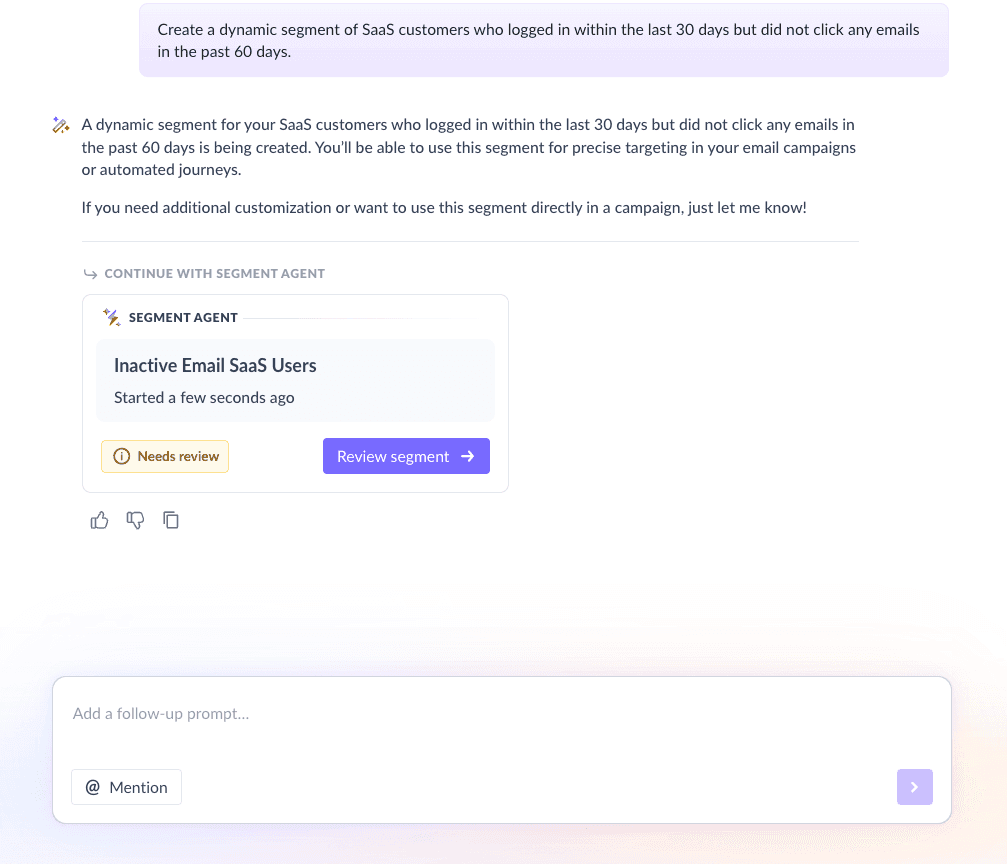
For this sequence, we asked Mailmodo AI to create a segment of active customers who logged in within the last 30 days but haven’t engaged with recent emails. This helps target users who are present but may be missing updates. Once it was done, we got the option to review, make edits using the builder, or ask AI to carry out the changes we wanted. Once we confirmed, Mailmodo AI created the segment instantly and it was ready to use for our campaign.
Create a dynamic segment of SaaS customers who logged in within the last 30 days but did not click any emails in the past 60 days.
Step 3: Create the email templates
Once your plan and segments are ready, it’s time to create the actual emails. A customer engagement sequence typically includes light, value-driven content rather than hard sells.
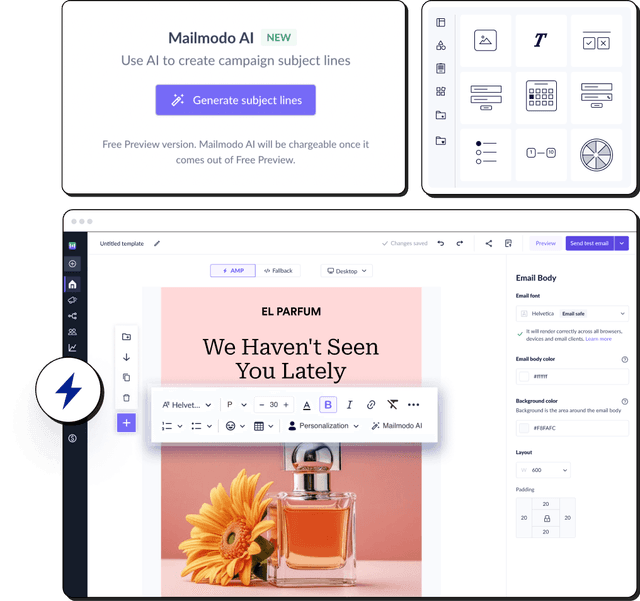
Below are the recommended emails from your original flow. We’ve also included sample prompts that you can use in Mailmodo AI to generate these email templates in minutes instead of having to spend hours creating them.
Email #1: Helpful resources
When to send: At the start of the engagement cycle
Purpose: Provide value and position your brand as helpful
What to include:
Recently published ebooks, guides, or reports
Blog posts tied to common customer pain points
Short descriptions explaining why each resource is useful
Here’s a sample prompt to generate this kind of email, along with the output it will produce.
Generate an email template for SaaS customers sharing helpful resources. Include ebooks, reports, and blog posts with short descriptions and a friendly tone.
Email #2: Webinar or event invites
When to send: Depends on the webinar date
Purpose: Encourage deeper engagement and learning
What to include:
Upcoming webinar or event details
Key takeaways customers will gain
Who the session is best suited for
Here’s a sample prompt to generate this kind of email, along with the output it will produce.
Create a webinar invitation email for existing SaaS customers. Explain what they’ll learn, who should attend, and why it’s valuable.
Email #3: New feature or product update
When to send: Monthly or at the end of the cycle/before the launch or update of a feature
Purpose: Increase feature awareness and adoption
What to include:
Overview of the new feature
The problem it solves
Simple use cases or examples
How customers can start using it
Here’s a sample prompt to generate this kind of email, along with the output it will produce.
Generate a product update email announcing a new SaaS feature. Explain how it works, the problem it solves, and how customers can use it.
Step 4: Build the automated workflow
With templates ready, the next step is automation. This ensures the sequence runs consistently without manual intervention. A typical workflow for this sequence should contain:
Trigger: Customer enters engagement segment
Delays: 0 days → 14 days → 30 days
Branching logic: If user engages → continue flow; If marked as churn risk → move to churn prevention flow
Exit criteria: User becomes inactive or is flagged as churn risk
We used Mailmodo AI to generate this entire workflow, including triggers, timing, and exit rules. Once the output was ready, we just had to review the overall journey following a setup checklist and ask the AI to make the tweaks we wanted in the workflow.
Take a look at the prompt that we used and the output we received.
Generate an automated customer engagement email workflow for a SaaS product. Include triggers, delays, branching logic, and exit criteria.
Step 5: Analyze and improve
Your customer engagement sequence needs regular optimization. Tracking the right metrics helps you understand what’s working and what needs improvement. Key metrics to monitor include:
Open rate
Click-through rate
Resource downloads
Webinar registrations
Feature adoption after product update emails
We asked Mailmodo AI to analyze our past customer engagement email sequence and identify patterns that impacted performance. The insights helped refine subject lines, content order, and timing.
Take a look at the prompt that we used and the output we received.
Analyze my last customer engagement email sequence and suggest improvements to increase opens, clicks, and feature adoption.
Conclusion
A structured email sequence makes engagement predictable, scalable, and effective. Instead of sending random updates, you create a thoughtful journey that customers actually appreciate.
With Mailmodo, planning, creating, automating, and optimizing customer engagement email sequences becomes far simpler, so you can focus on delivering value, not managing workflows.


 Learn more about Mailmodo